Category: Product Knowledge

Product Knowledge

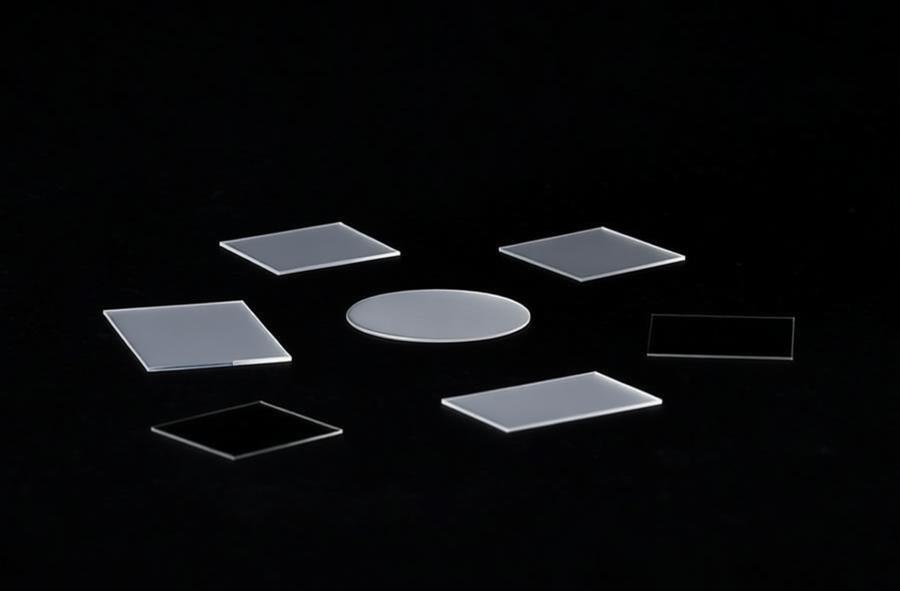
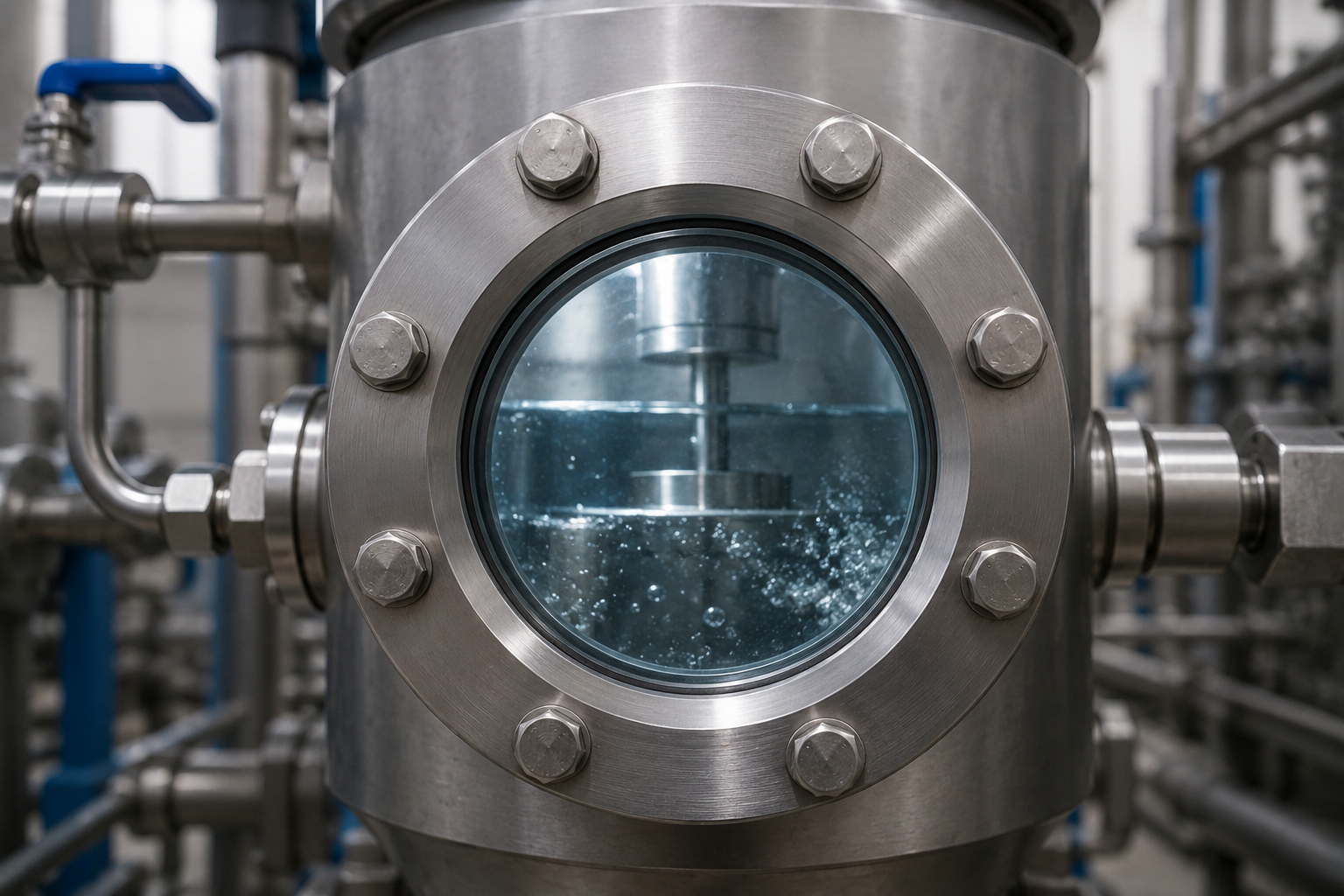
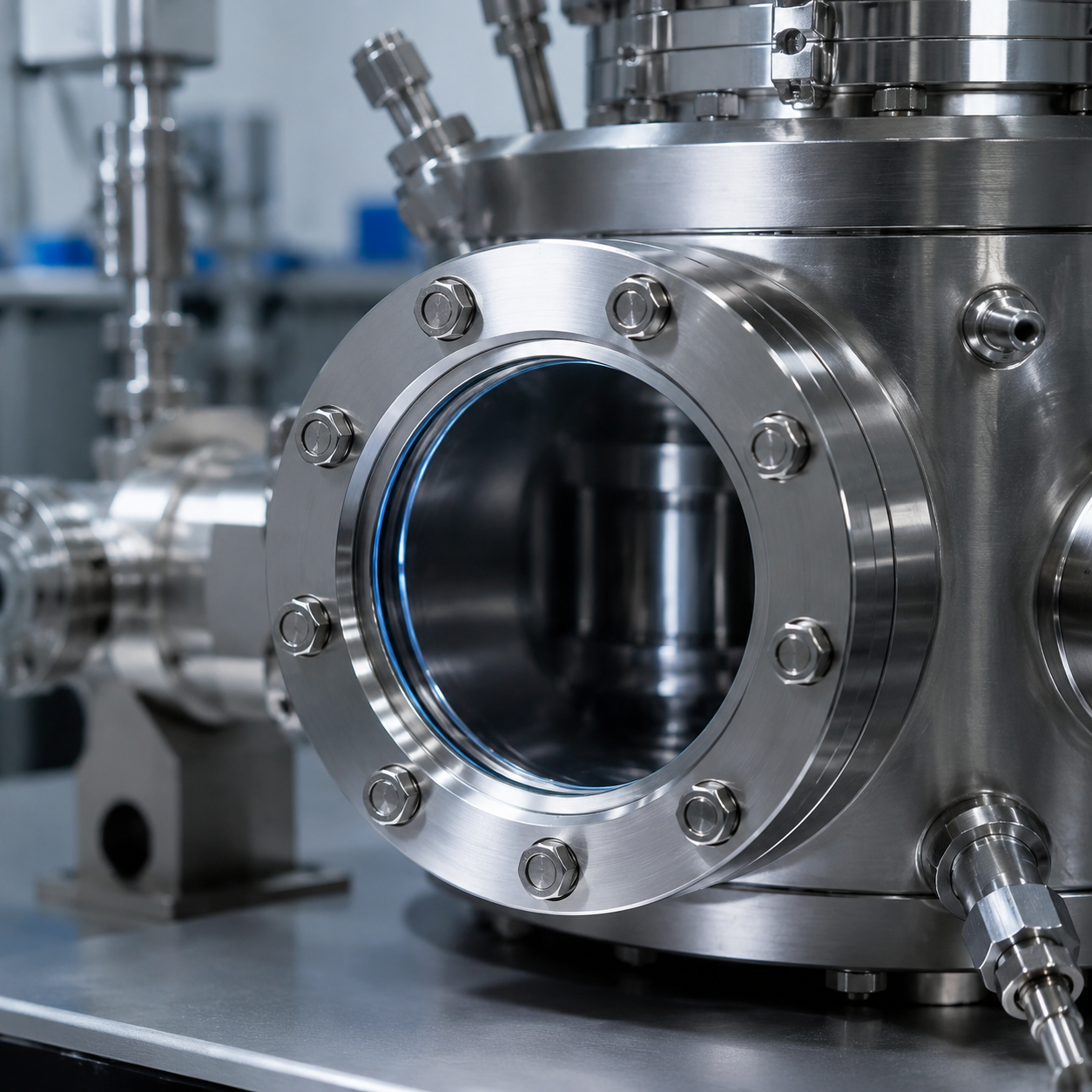
Sapphire Vacuum Viewports: Flange Integration, Leak Tightness, Thermal Cycling and Optical Quality Requirements

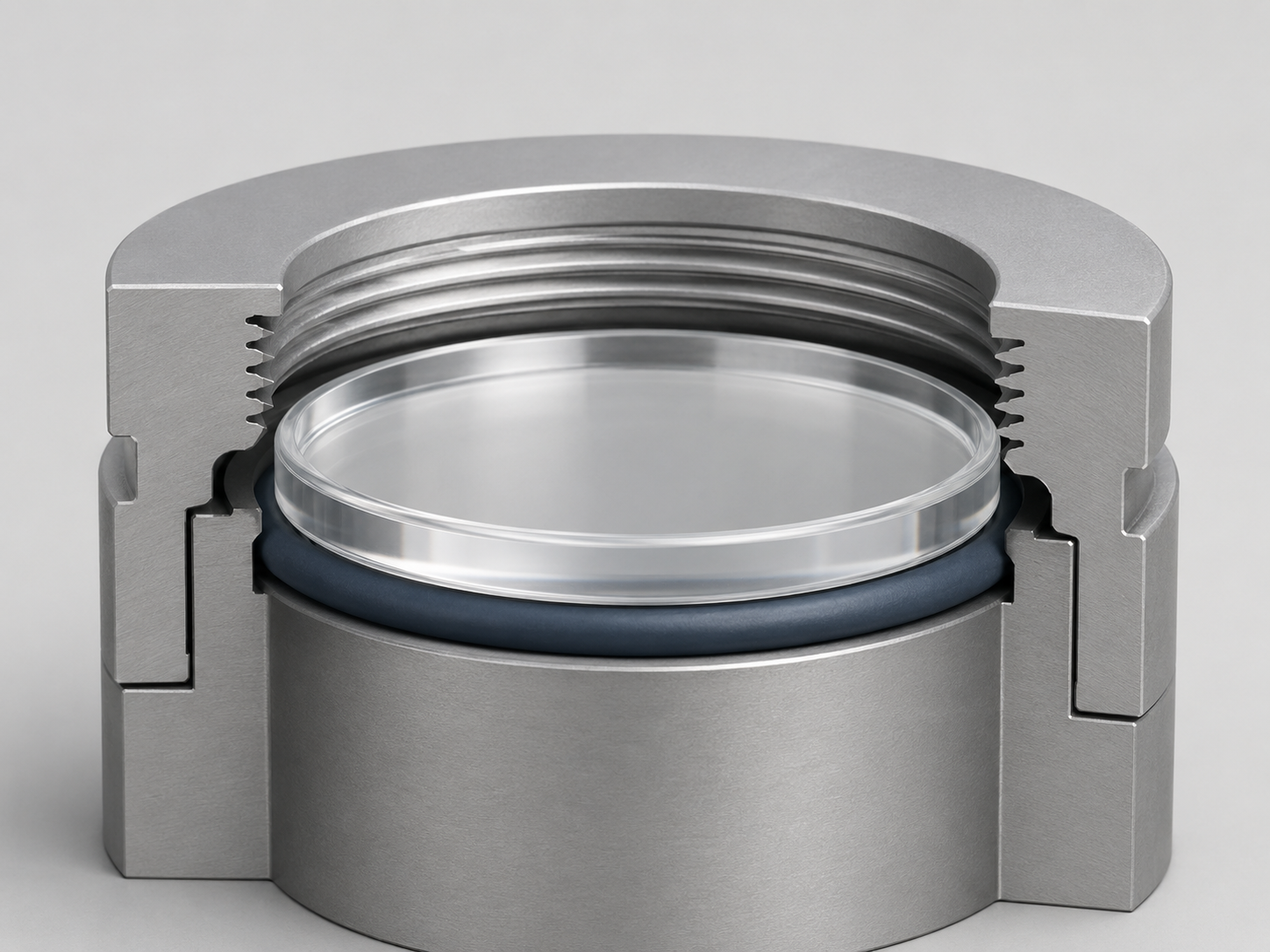
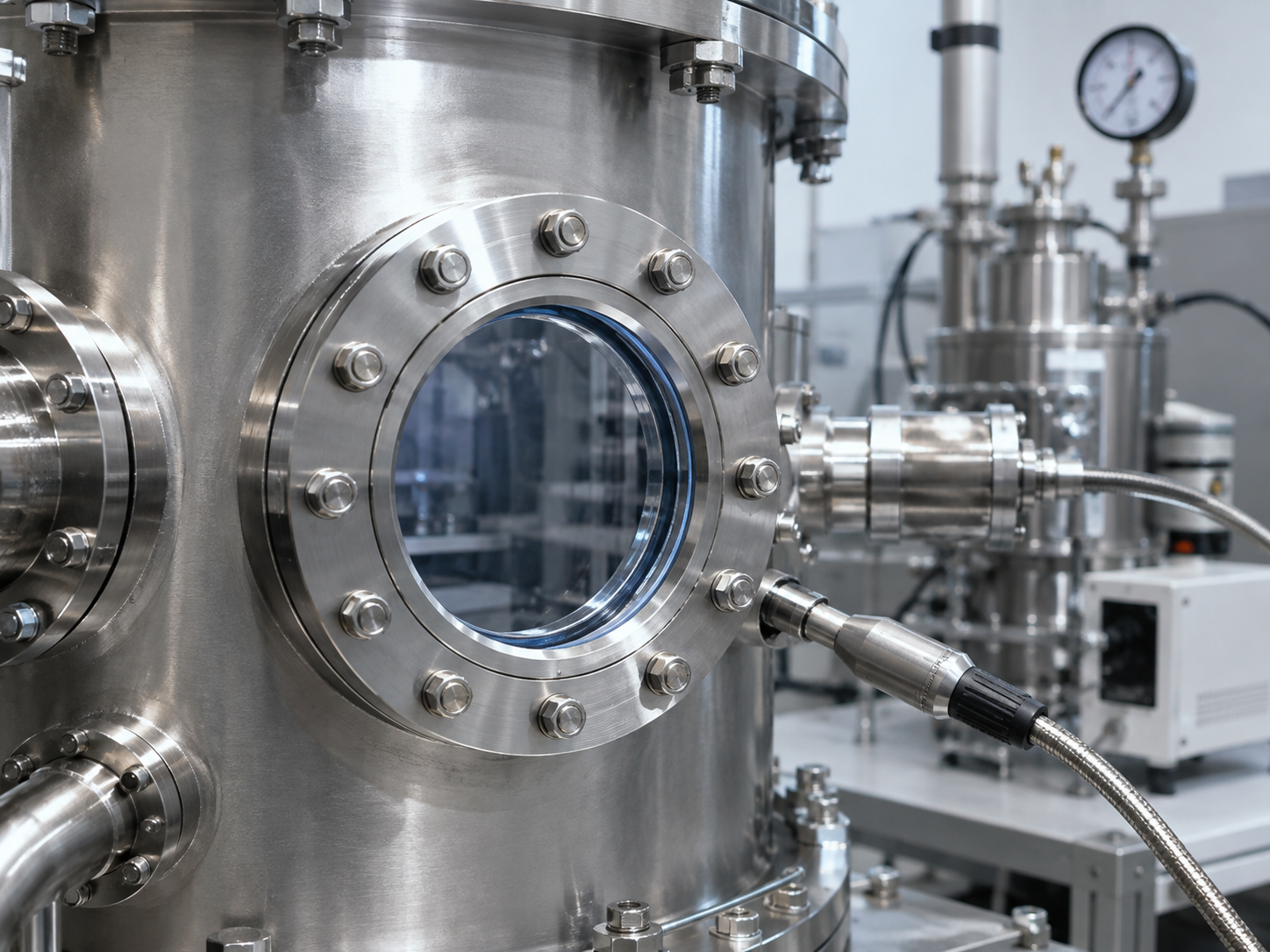
Vacuum viewports provide optical access to sealed chambers used in semiconductor manufacturing, scientific research, laser processing, analytical instrumentation, and industrial inspection. Although the window itself may appear simple, its performance depends on the complete assembly: optical substrate, mounting geometry, flange interface, sealing method, and resistance to mechanical and thermal stress. Synthetic sapphire is an attractive
Product Knowledge

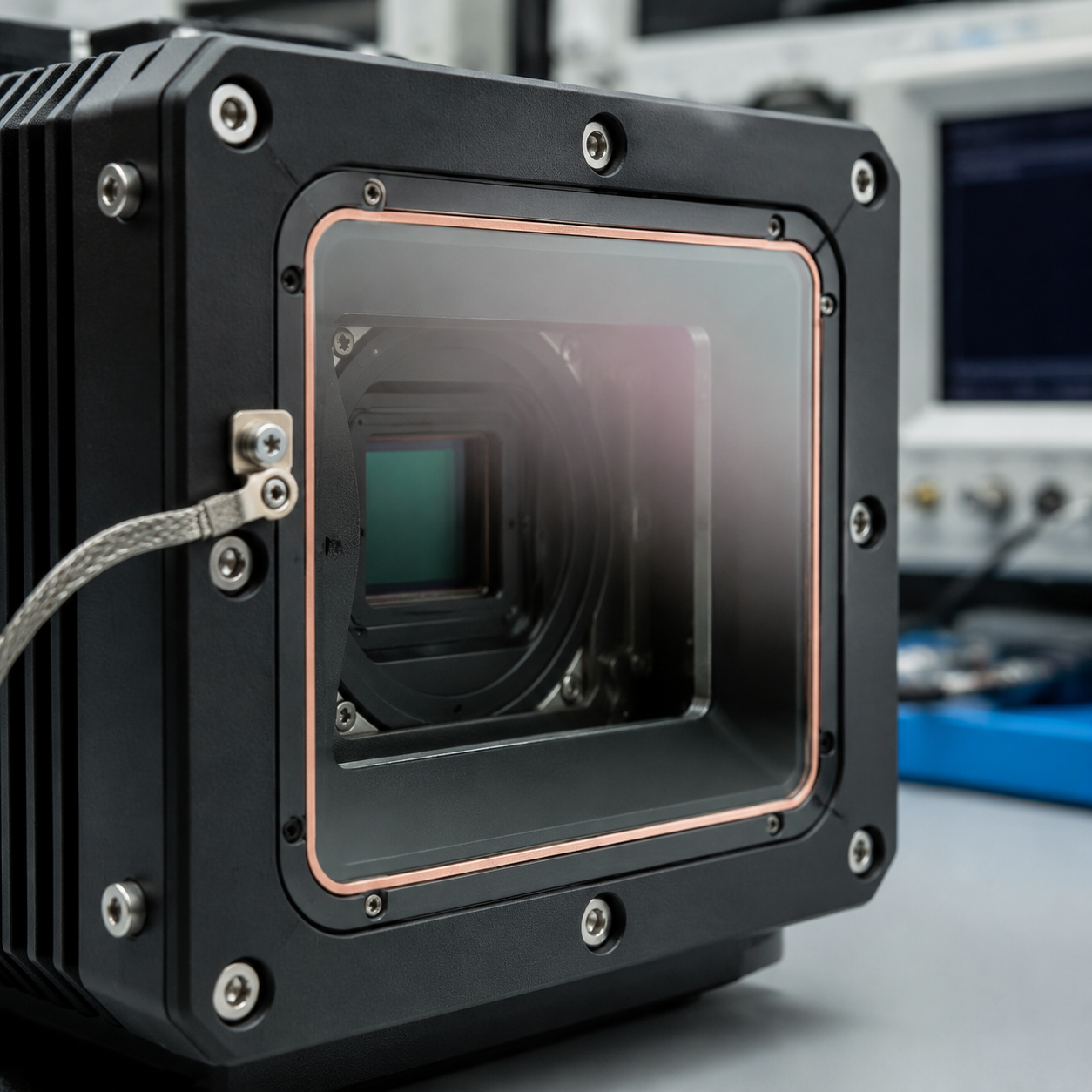
EMI-Shielded Sapphire Windows: Conductive Coatings, Optical Transmission, Sheet Resistance and Grounding Design

Electronic and optical systems often require a transparent window that can protect internal components without allowing excessive electromagnetic interference to pass through the enclosure. Synthetic sapphire is well suited to harsh-environment optical windows because it offers excellent hardness, chemical resistance, temperature stability, and optical clarity. However, sapphire itself is an electrical insulator and does not

Product Knowledge

Sapphire Vacuum Viewport Design Guide: Flanges, Seals, Bakeout and Leak Testing

A sapphire vacuum viewport is more than an optical window mounted on a vacuum chamber. It is simultaneously an optical component, vacuum boundary, mechanical pressure barrier and thermal interface. In semiconductor process equipment, coating systems, plasma chambers, analytical instruments, research vacuum systems and laser processing equipment, an improperly designed viewport can cause slow pump-down, helium

Product Knowledge

Sapphire Window Edge Geometry Guide: Chamfer, Bevel, Radius and Edge Thickness

Sapphire windows are selected for demanding optical and mechanical applications because of their high hardness, excellent wear resistance, chemical stability, and ability to maintain optical performance in harsh environments. However, sapphire is also a hard and relatively brittle crystalline material. For this reason, the geometry around the edge of a sapphire window can have a

Product Knowledge

How to Qualify a Sapphire Window Supplier: Manufacturing Capability, Inspection, Lead Time and Traceability

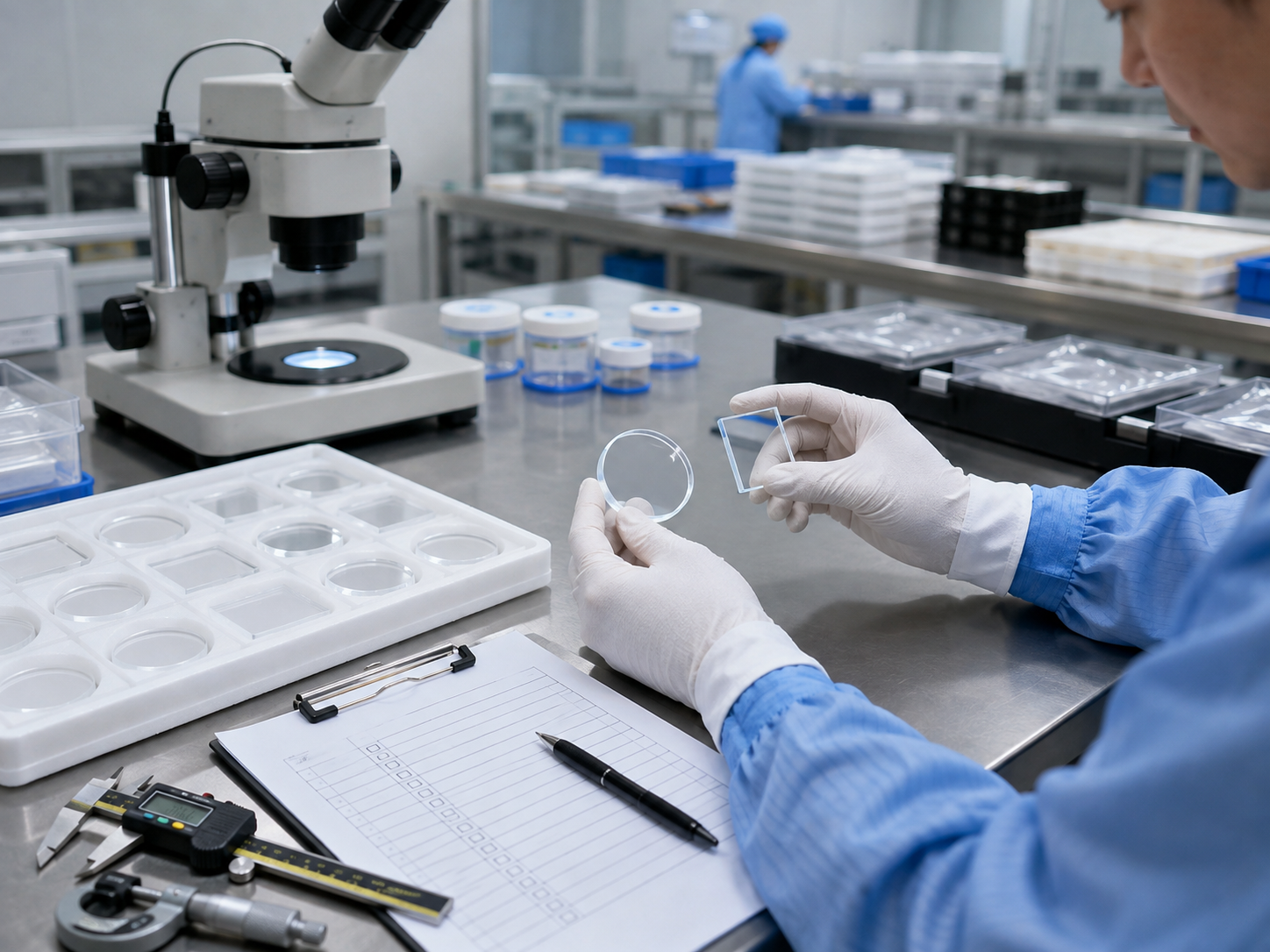
Choosing a sapphire window supplier should involve more than comparing quotations. For a simple prototype, almost any supplier that can obtain sapphire and polish a flat component may appear capable. The real differences become visible when a project requires tight dimensional tolerances, optical flatness, controlled crystal orientation, special geometry, AR coating, documented inspection or repeat

Infrared Window Materials: Why Sapphire Remains a Key Choice for Advanced Optical Systems

Infrared (IR) technology plays a critical role in thermal imaging, semiconductor manufacturing, aerospace systems, environmental monitoring, defense equipment, and industrial sensing. At the heart of many infrared optical systems is the infrared window—a component designed to protect sensitive internal optics while transmitting radiation from the target with minimal loss. Selecting the right infrared window material

Product Knowledge

Sapphire Components: Key Applications Across Industrial, Optical, Medical, and Semiconductor Fields

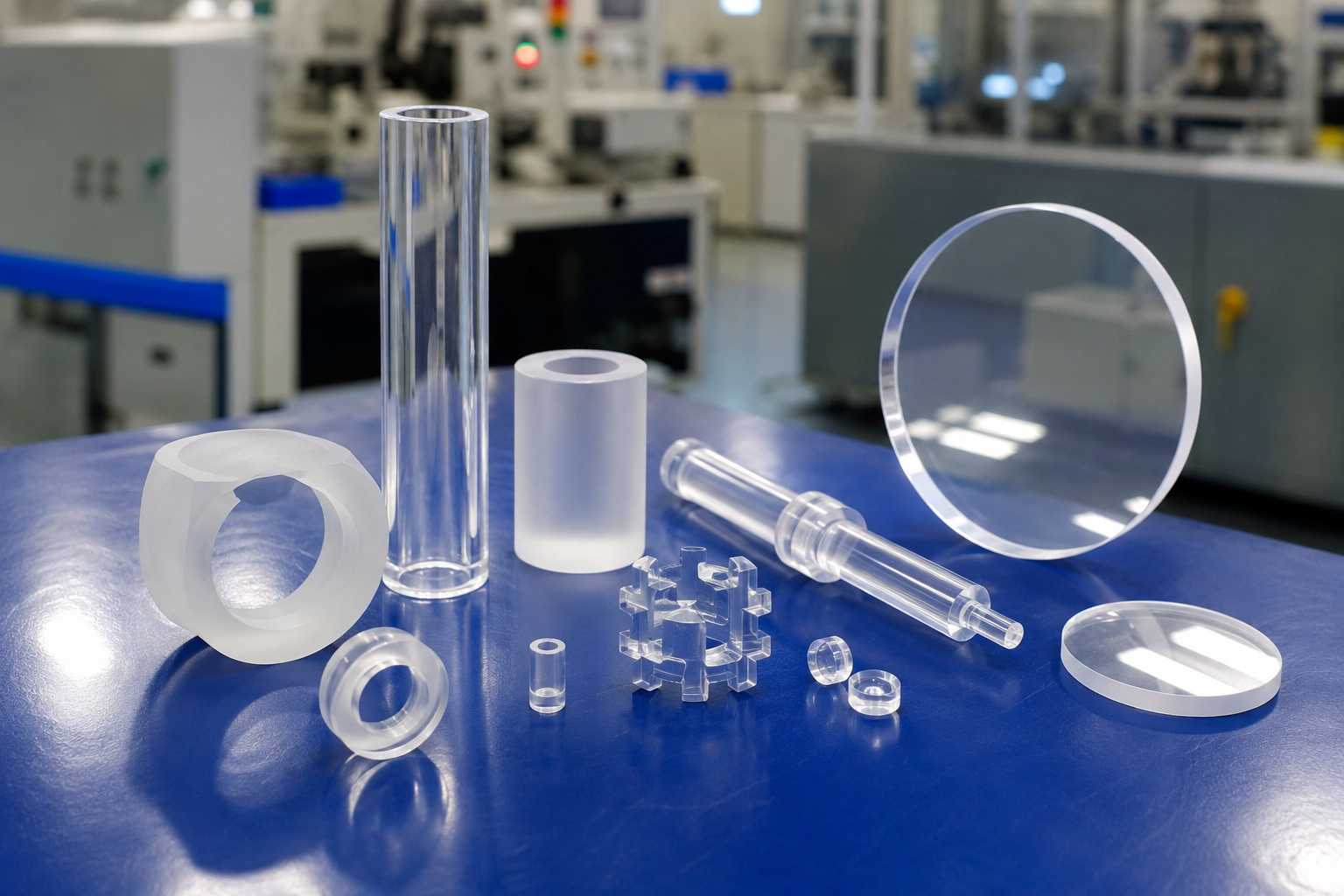
Synthetic sapphire (single-crystal aluminum oxide, Al₂O₃) has become one of the most important engineering materials in high-performance industries. Combining exceptional hardness, excellent optical transmission, chemical inertness, and thermal stability, sapphire is widely used in demanding environments where traditional glass, ceramics, or metals may fail. Key material advantages include: Thanks to these properties, sapphire is increasingly

Product Knowledge

Round, Square, or Rectangular Sapphire Windows: Which Design Works Best?

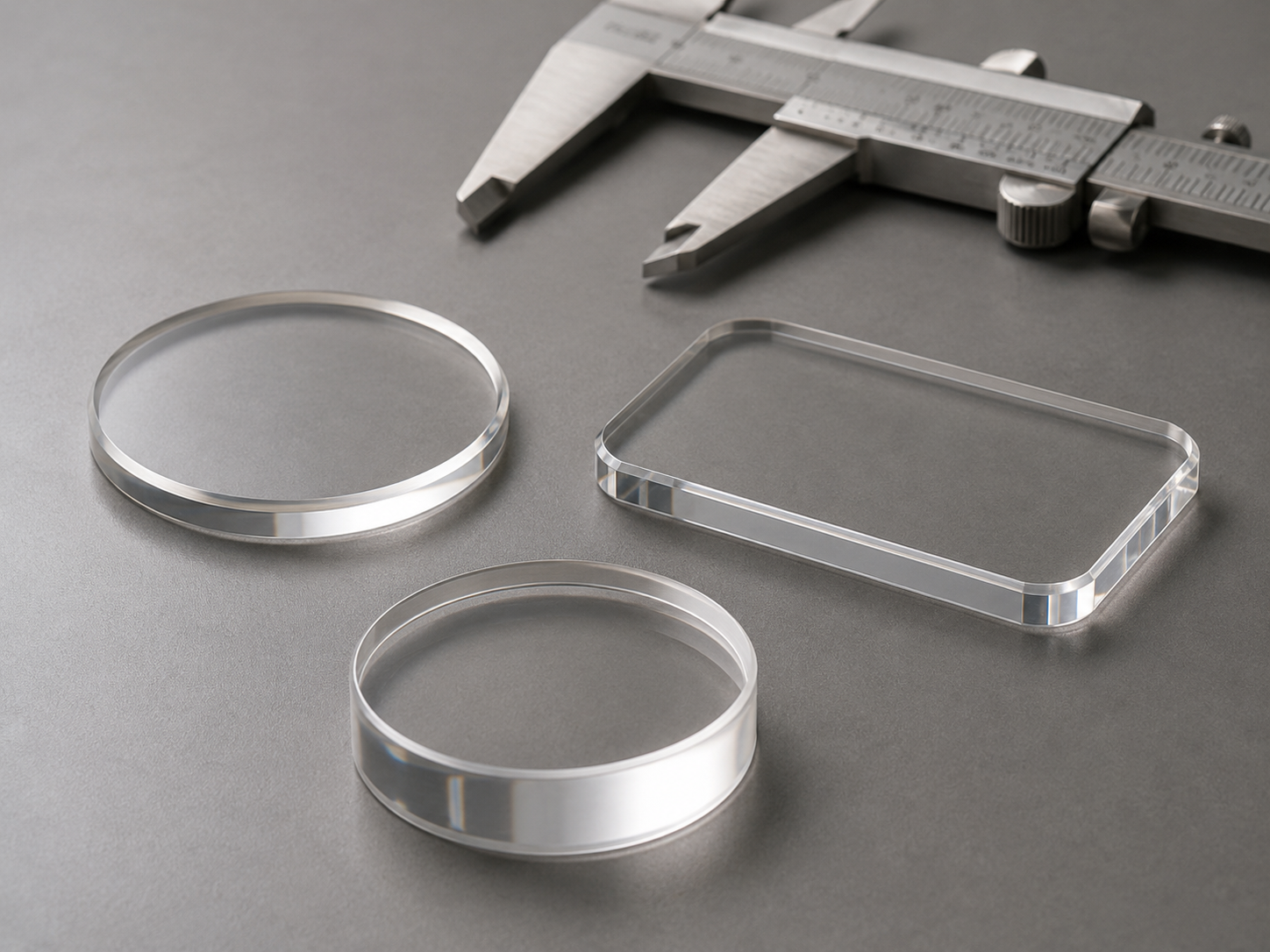
Sapphire optical windows are used in a wide range of industries, including aerospace, defense, semiconductor manufacturing, medical devices, laser systems, and industrial inspection equipment. While material properties such as optical transmission, hardness, and chemical resistance are often the primary focus, the shape of the sapphire window can be equally important. Engineers frequently face a common

Product Knowledge

Choosing the Right Thickness for High-Pressure Sapphire Windows

Sapphire windows are widely used in high-pressure environments where conventional optical materials such as glass or quartz may fail. Thanks to their exceptional mechanical strength, high hardness, chemical resistance, and broad optical transmission range, sapphire windows have become the preferred choice for demanding applications in aerospace, deep-sea exploration, semiconductor processing, industrial monitoring, and scientific instrumentation.