Category: Product Knowledge

제품 지식

Round, Square, or Rectangular Sapphire Windows: Which Design Works Best?

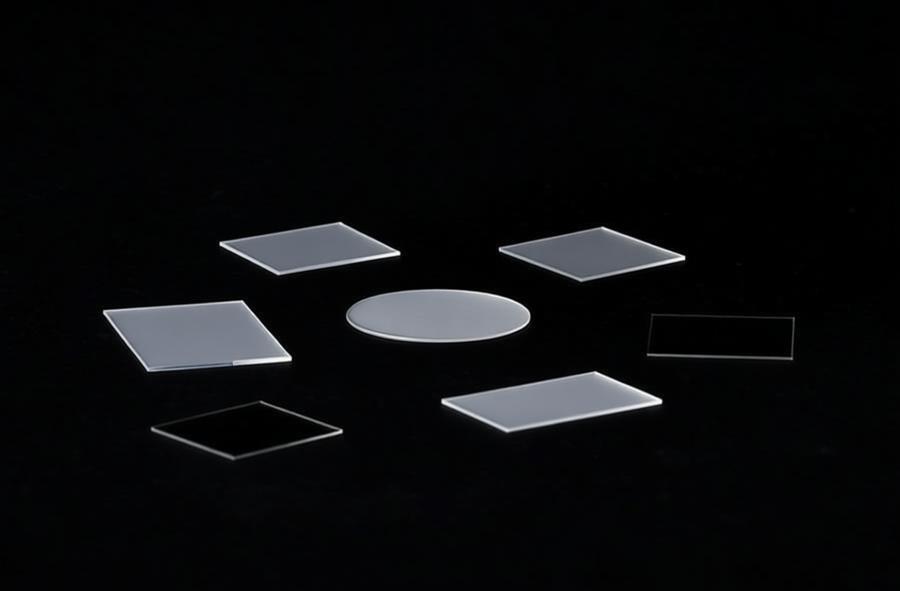
Sapphire optical windows are used in a wide range of industries, including aerospace, defense, semiconductor manufacturing, medical devices, laser systems, and industrial inspection equipment. While material properties such as optical transmission, hardness, and chemical resistance are often the primary focus, the shape of the sapphire window can be equally important. Engineers frequently face a common

제품 지식

Choosing the Right Thickness for High-Pressure Sapphire Windows

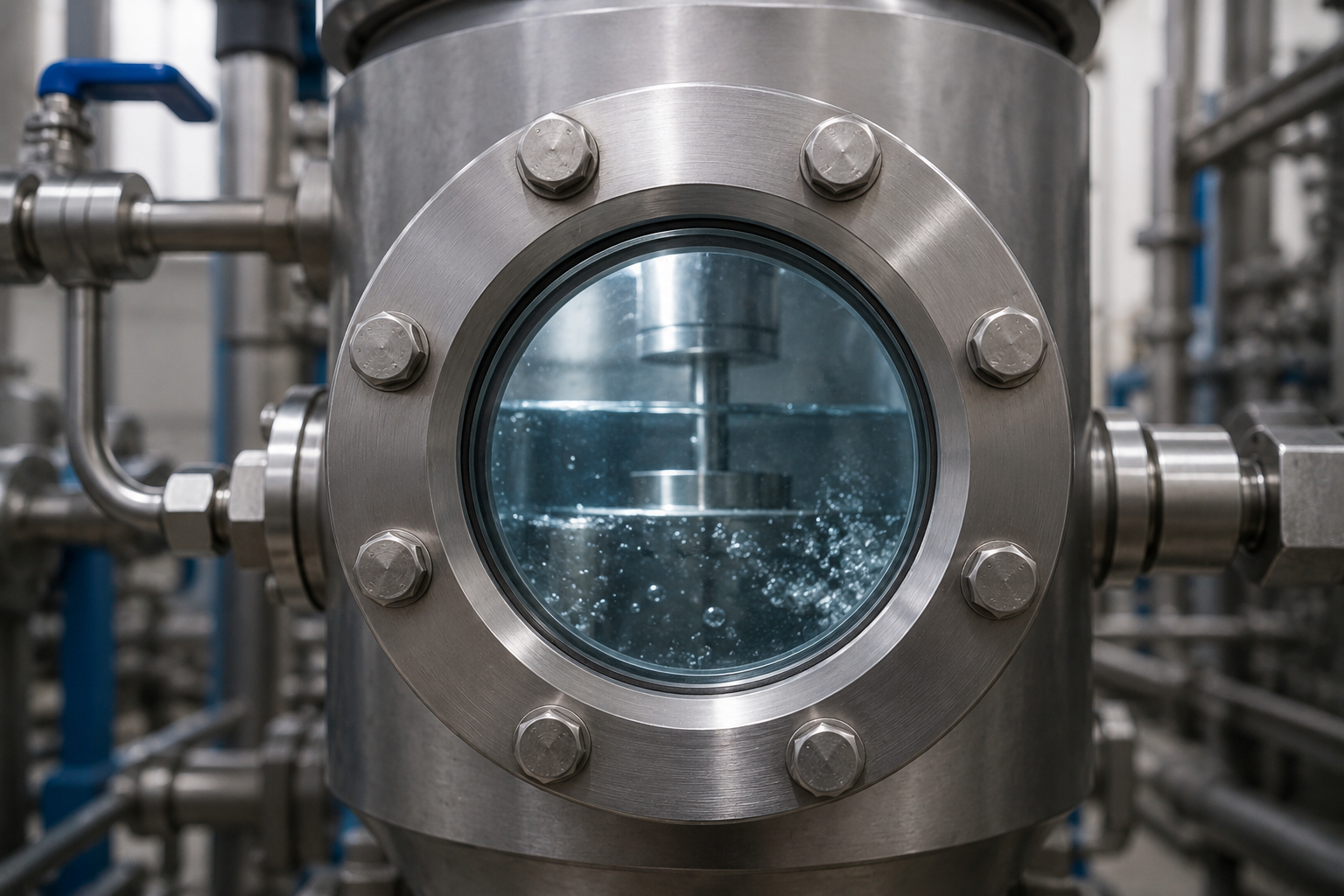
Sapphire windows are widely used in high-pressure environments where conventional optical materials such as glass or quartz may fail. Thanks to their exceptional mechanical strength, high hardness, chemical resistance, and broad optical transmission range, sapphire windows have become the preferred choice for demanding applications in aerospace, deep-sea exploration, semiconductor processing, industrial monitoring, and scientific instrumentation.

제품 지식

Understanding Surface Quality Specifications for Sapphire Optical Windows

Why Surface Quality Matters in Sapphire Optical Windows Sapphire optical windows are widely used in aerospace, defense, semiconductor equipment, laser systems, medical devices, and harsh-environment optical applications. Their exceptional hardness, broad optical transmission range, and outstanding chemical stability make them one of the most reliable optical materials available today. However, the performance of a sapphire

제품 지식

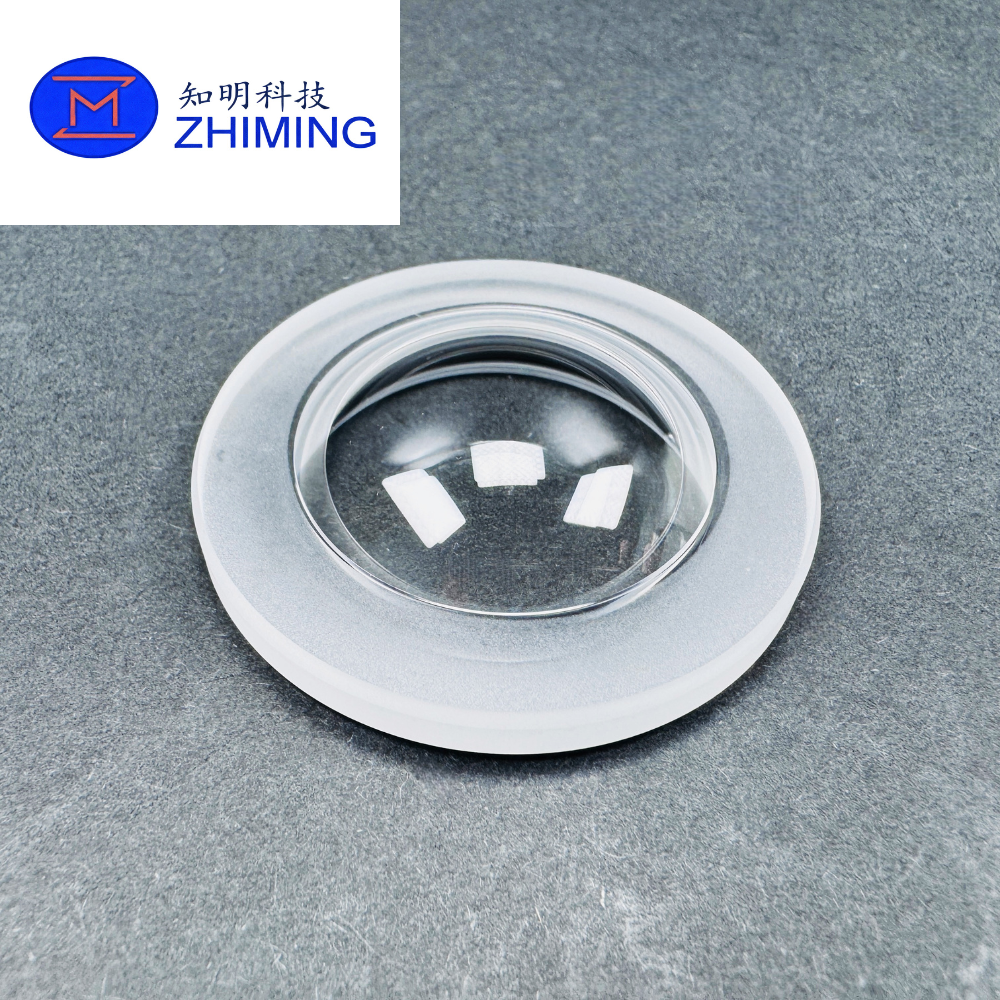
사파이어 돔이 고경도 광학 분야에서 기존 유리를 대체하는 이유

1. Introduction In modern optical engineering, especially in extreme environments such as aerospace, underwater exploration, defense systems, and high-speed sensing, traditional optical glass is increasingly being replaced by synthetic sapphire domes. This shift is not simply a material substitution, but a structural upgrade driven by demands for higher hardness, thermal stability, and environmental resistance. Sapphire

제품 지식

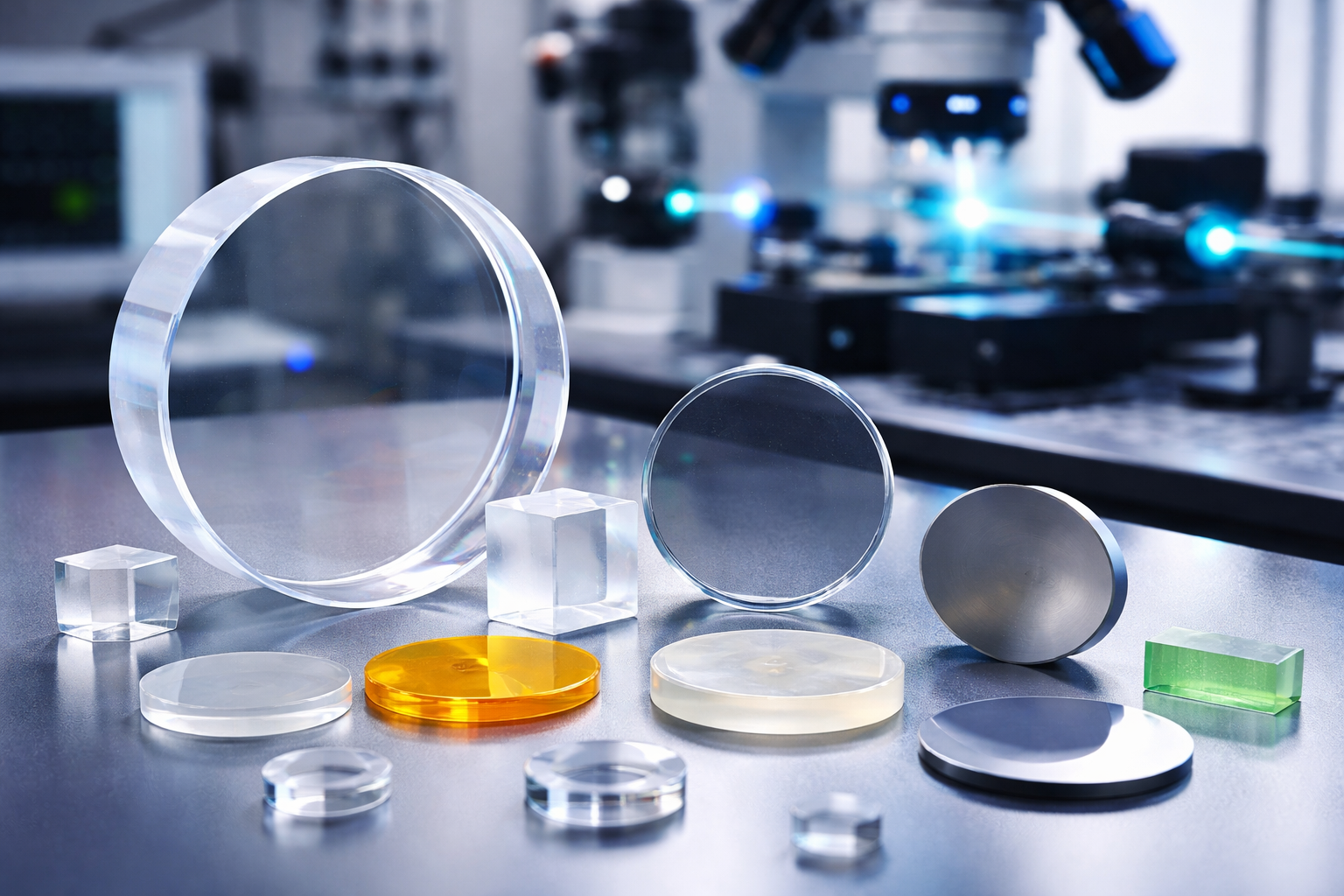
광학 창 재료 설명: 극한 환경을 위한 쿼츠부터 사파이어 및 SiC까지

1. Introduction Optical window materials are critical components in modern optical and photonic systems, including laser engineering, infrared imaging, aerospace instrumentation, semiconductor equipment, and industrial inspection systems. Their primary role is not only to transmit light with minimal loss, but also to physically isolate sensitive internal environments from extreme external conditions such as high temperature,

제품 지식

고정밀 측정 기기에서 사파이어 윈도우의 역할

High-precision measurement instruments are at the core of modern scientific research and industrial applications. From laser interferometers to spectroscopic analyzers, these instruments demand components that can withstand extreme conditions while maintaining optical clarity and dimensional stability. Among these critical components, sapphire windows play a pivotal role, offering unparalleled performance in environments where ordinary glass or

제품 지식

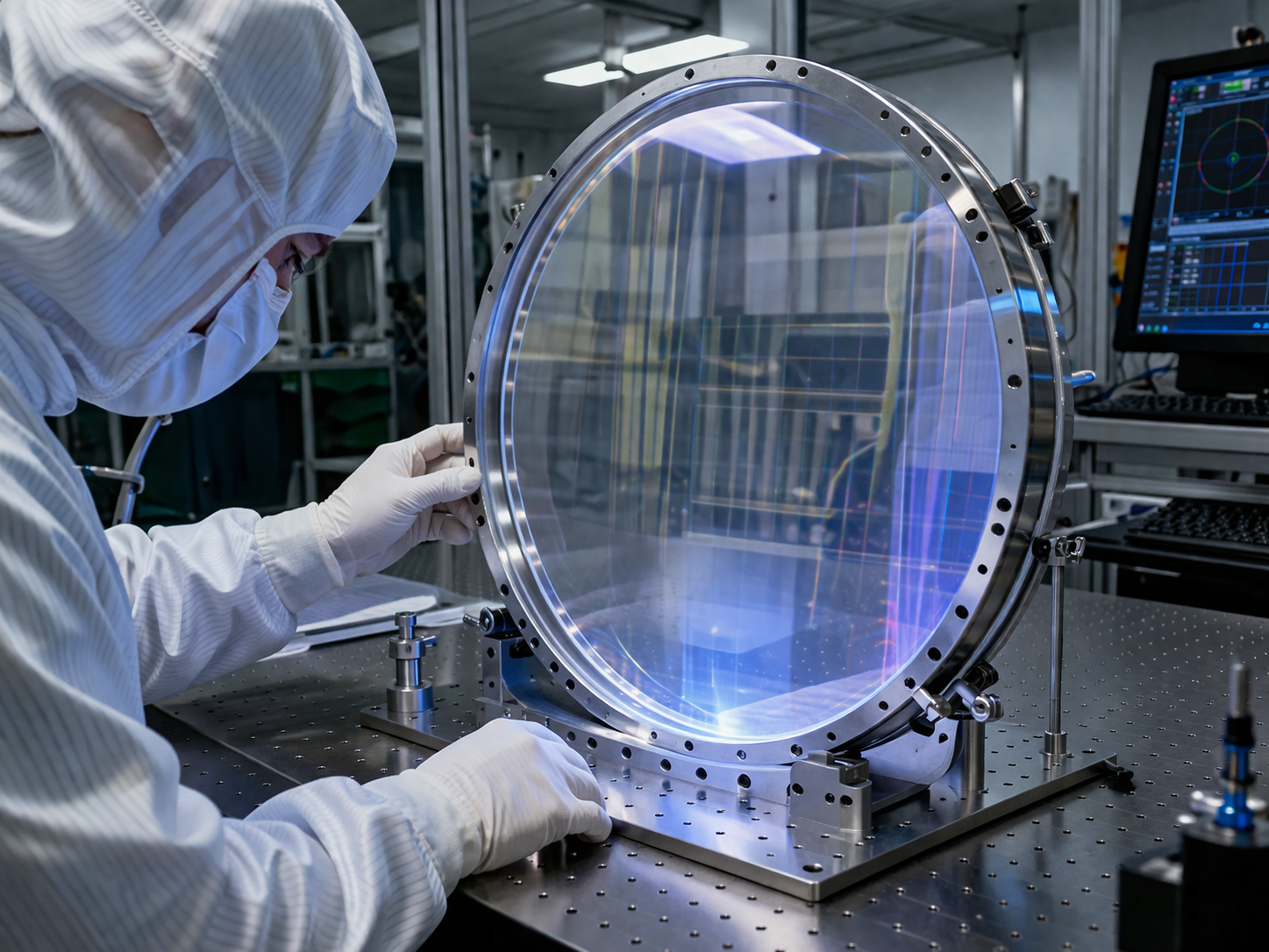
대형 및 정밀 사파이어 윈도우의 새로운 트렌드

Sapphire windows, made from single-crystal aluminum oxide (Al₂O₃), are widely recognized for their exceptional hardness, high optical clarity, and thermal and chemical stability. These properties make them indispensable in various high-precision and high-performance applications, including aerospace, laser systems, industrial sensors, and scientific instrumentation. In recent years, technological advancements and increasing demand have driven significant developments

제품 지식

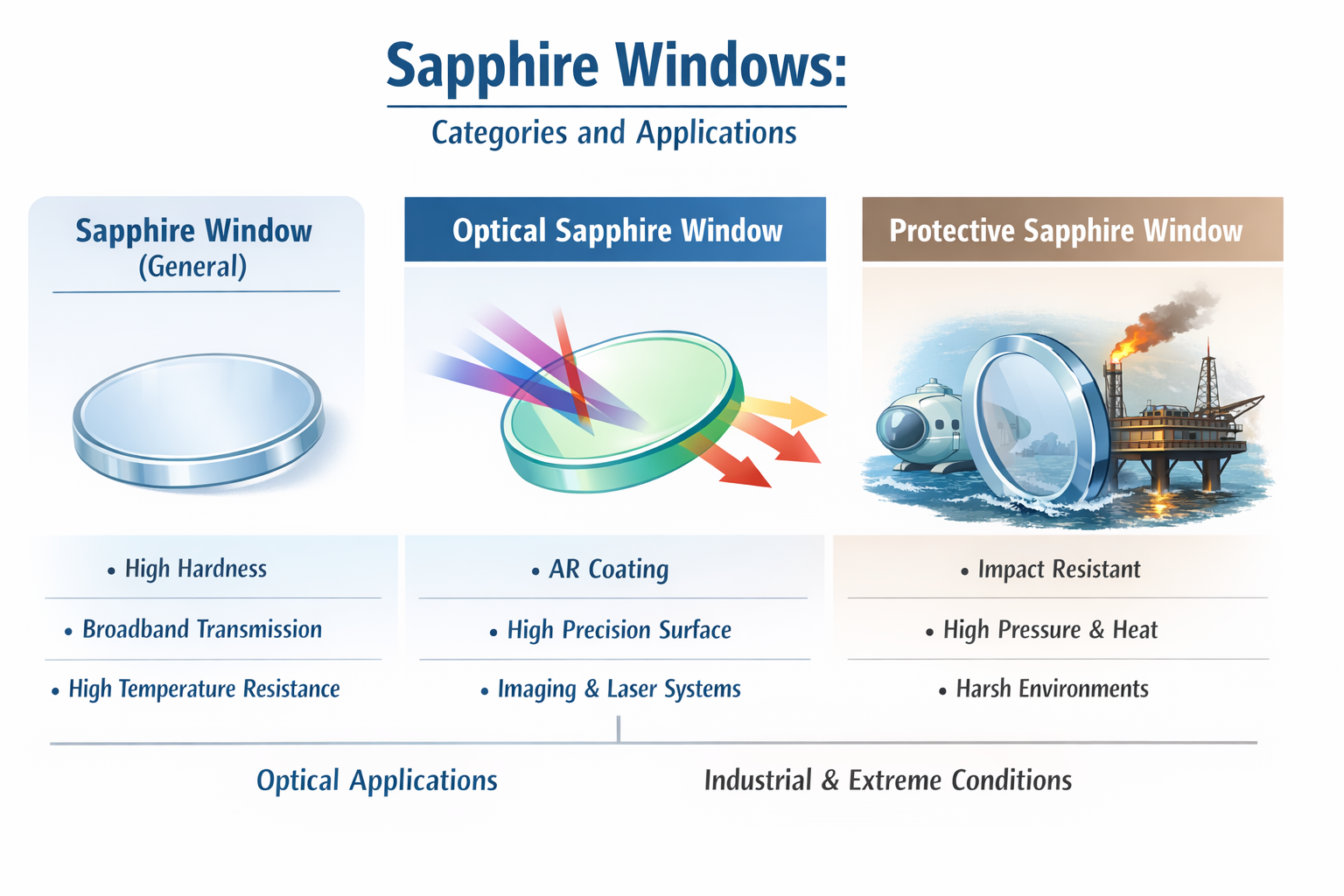
사파이어 윈도우, 사파이어 광학 윈도우 및 사파이어 보호 윈도우: 정의 및 기술적 차이점

1. Introduction Optical windows are fundamental components in modern optoelectronic systems, serving as both transmission interfaces and protective barriers. In demanding environments—such as aerospace, high-power laser systems, deep-sea exploration, and semiconductor processing—the choice of window material critically influences system performance, durability, and reliability. Among various materials, single-crystal sapphire (Al₂O₃) has emerged as a preferred candidate

제품 지식

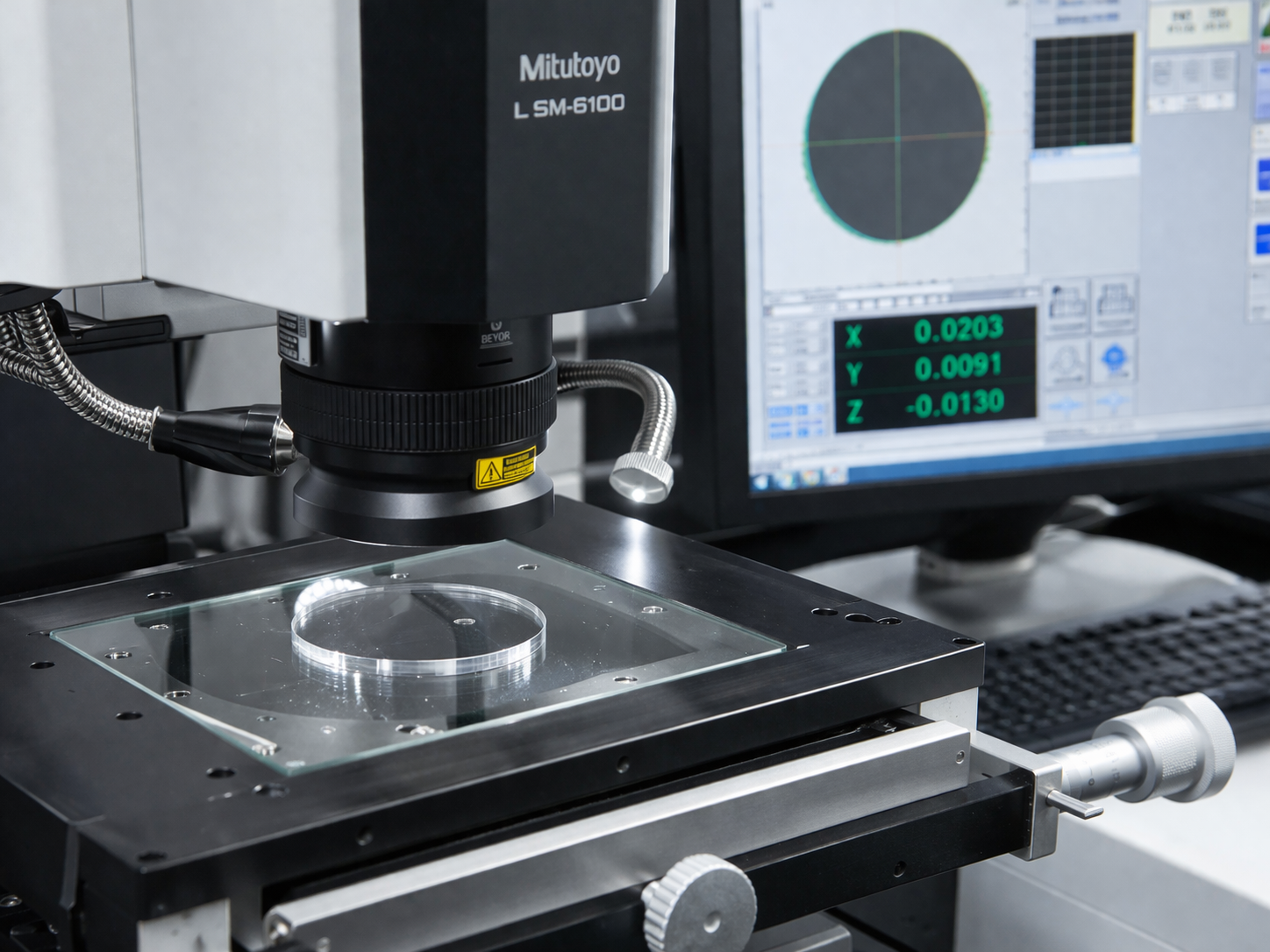
How Thickness Tolerance Affects Optical Performance in Sapphire Windows

Sapphire windows, made from single-crystal aluminum oxide (Al2O3), are widely used in optical systems due to their high hardness, chemical stability, and wide transmission range from UV to IR. However, beyond material properties, dimensional accuracy—especially thickness tolerance—plays a decisive role in optical performance. This article explains how thickness tolerance affects optical behavior using engineering-friendly expressions

제품 지식

How to Define Safety Factors for Sapphire Windows in High-Temperature and High-Pressure Systems

Sapphire windows are widely used in systems where optical access must be maintained under extreme temperature and pressure conditions. Typical applications include high-pressure reactors, high-temperature optical diagnostics, laser processing chambers, and aerospace instrumentation. While sapphire offers exceptional mechanical strength and thermal stability, failures still occur when safety factors are poorly defined or incorrectly applied. In