Author: zmsh

적외선 창 재료: 사파이어가 첨단 광학 시스템에서 여전히 핵심 소재로 꼽히는 이유

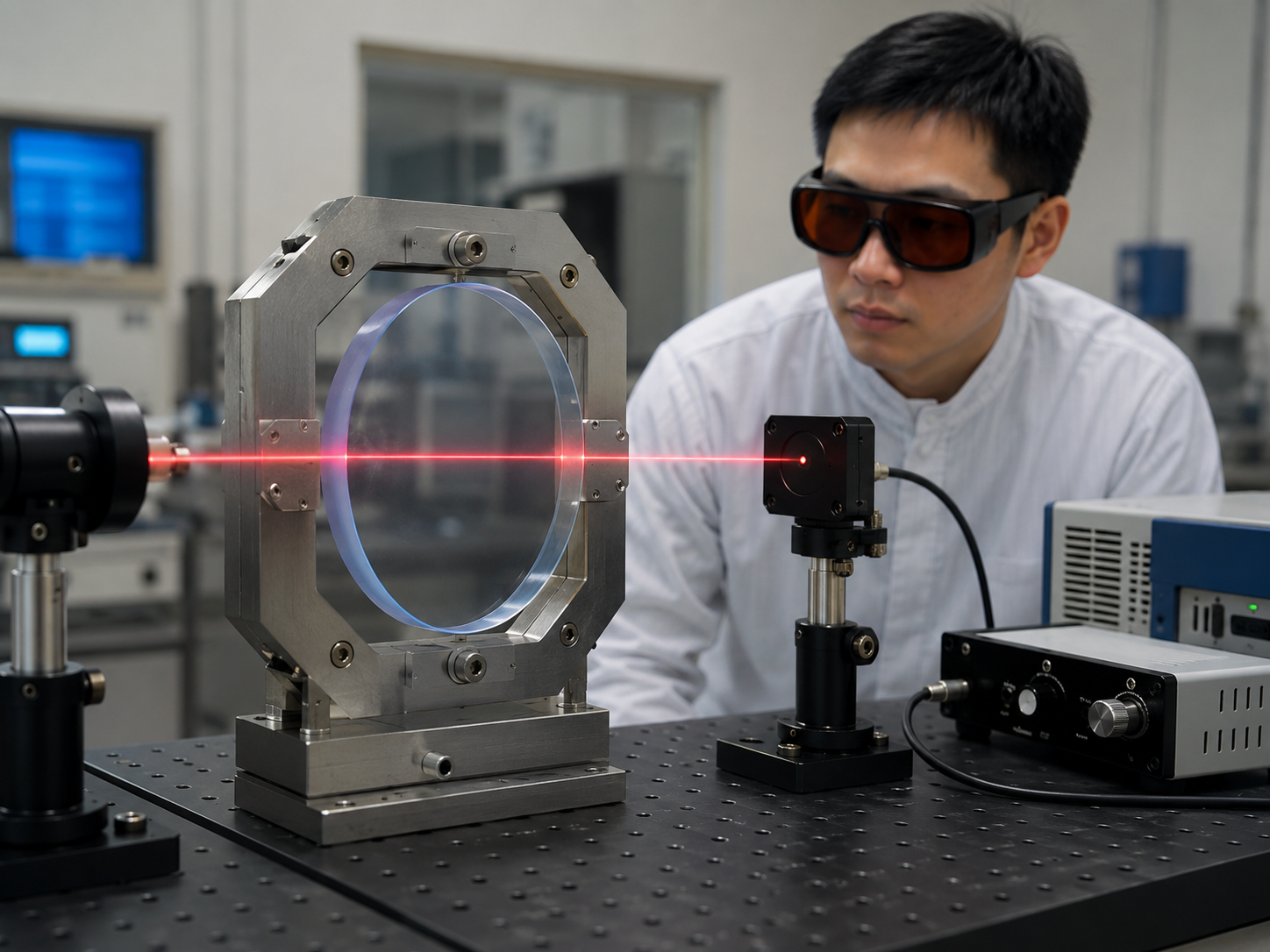
Infrared (IR) technology plays a critical role in thermal imaging, semiconductor manufacturing, aerospace systems, environmental monitoring, defense equipment, and industrial sensing. At the heart of many infrared optical systems is the infrared window—a component designed to protect sensitive internal optics while transmitting radiation from the target with minimal loss. Selecting the right infrared window material

제품 지식

사파이어 부품: 산업, 광학, 의료 및 반도체 분야의 주요 응용 분야

Synthetic sapphire (single-crystal aluminum oxide, Al₂O₃) has become one of the most important engineering materials in high-performance industries. Combining exceptional hardness, excellent optical transmission, chemical inertness, and thermal stability, sapphire is widely used in demanding environments where traditional glass, ceramics, or metals may fail. Key material advantages include: Thanks to these properties, sapphire is increasingly

제품 지식

원형, 정사각형, 직사각형 사파이어 창: 어떤 디자인이 가장 효과적일까?

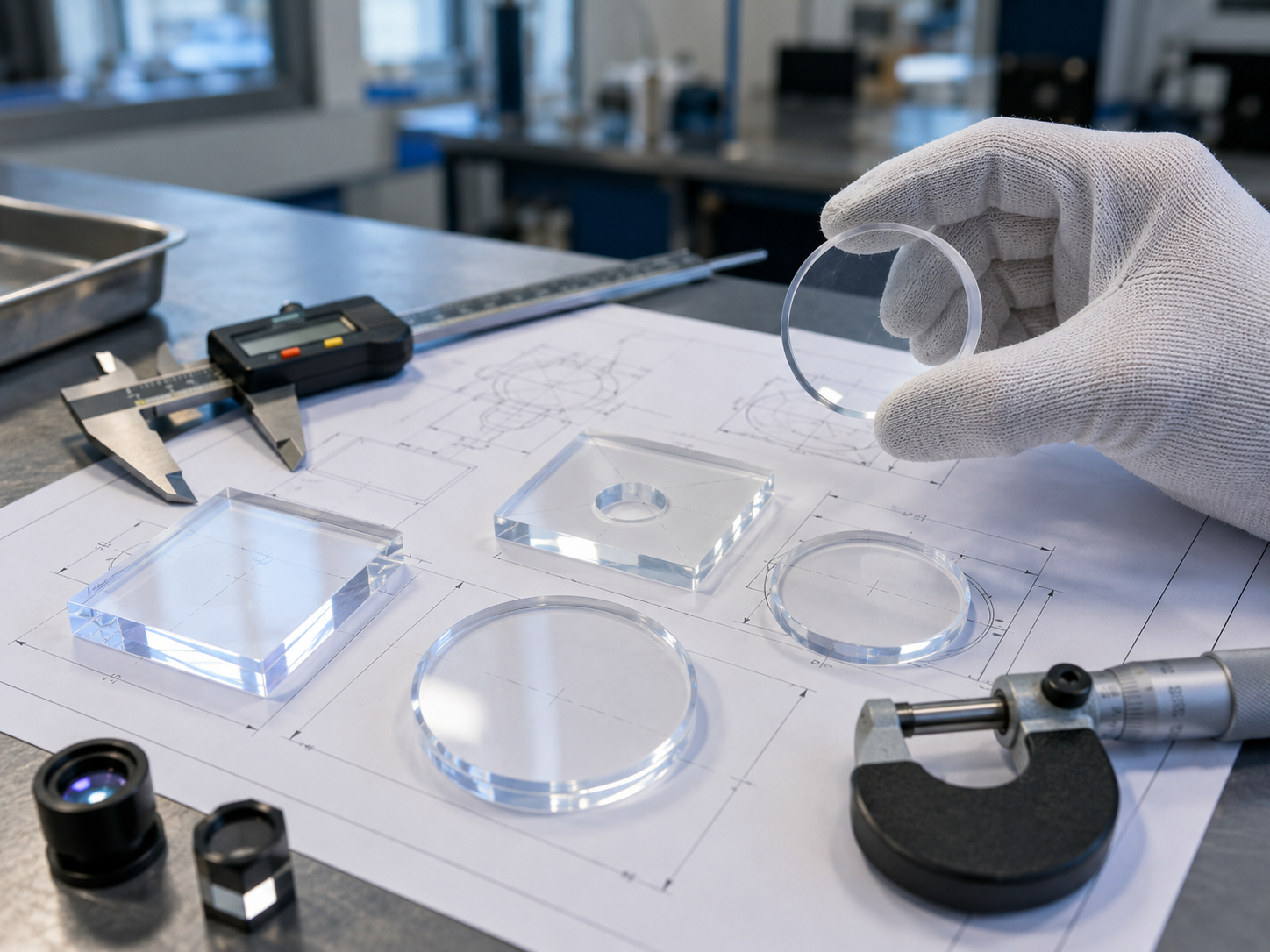
Sapphire optical windows are used in a wide range of industries, including aerospace, defense, semiconductor manufacturing, medical devices, laser systems, and industrial inspection equipment. While material properties such as optical transmission, hardness, and chemical resistance are often the primary focus, the shape of the sapphire window can be equally important. Engineers frequently face a common

제품 지식

고압 사파이어 윈도우에 적합한 두께 선택하기

사파이어 창은 유리나 석영과 같은 기존의 광학 재료가 제 기능을 하지 못할 수 있는 고압 환경에서 널리 사용됩니다. 탁월한 기계적 강도, 높은 경도, 내화학성, 그리고 넓은 광 투과 범위를 갖춘 사파이어 윈도우는 항공우주, 심해 탐사, 반도체 공정, 산업용 모니터링 및 과학 계측 분야의 까다로운 응용 분야에서 가장 선호되는 소재로 자리 잡았습니다.

제품 지식

사파이어 광학 윈도우의 표면 품질 사양 이해

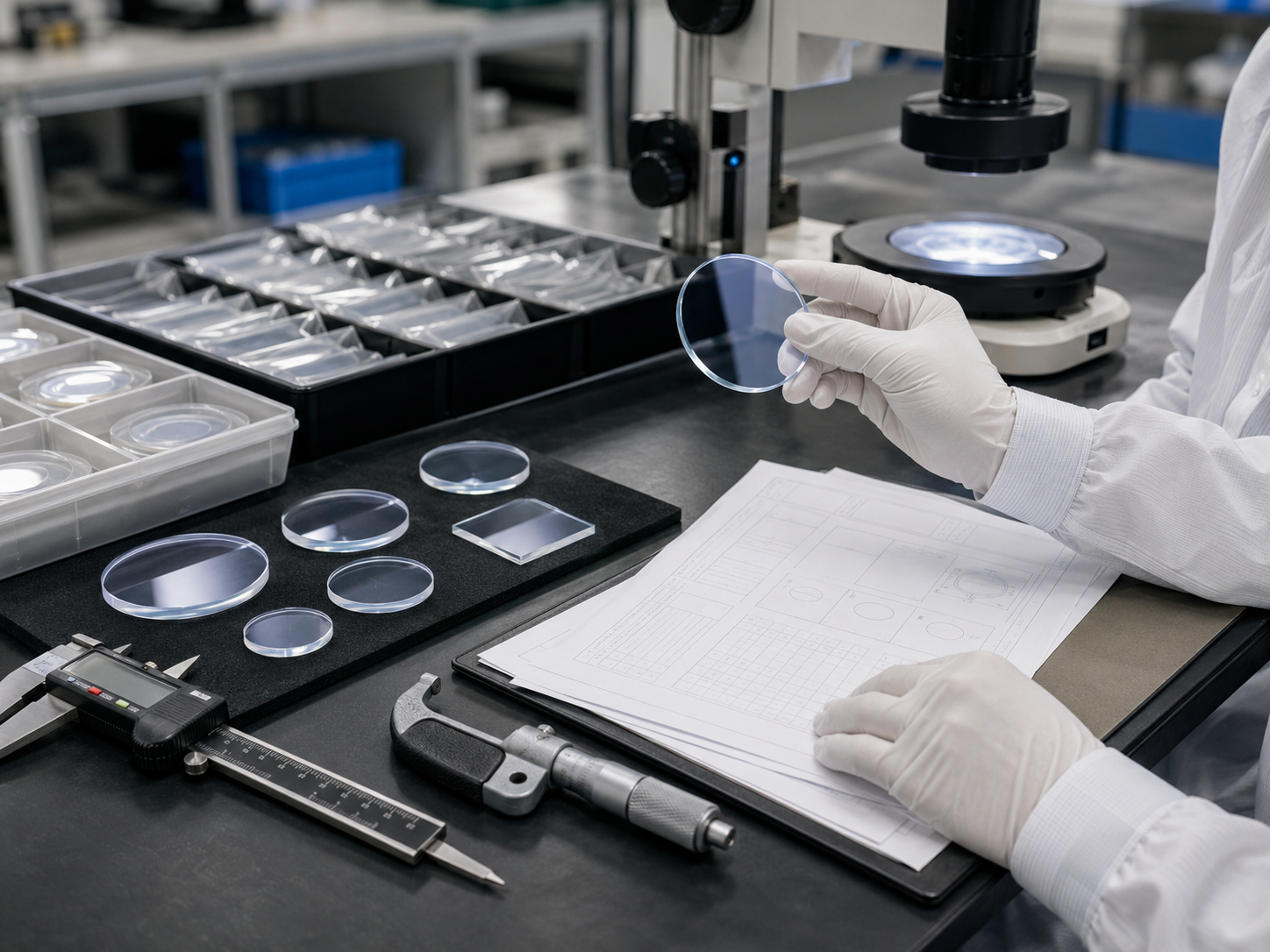
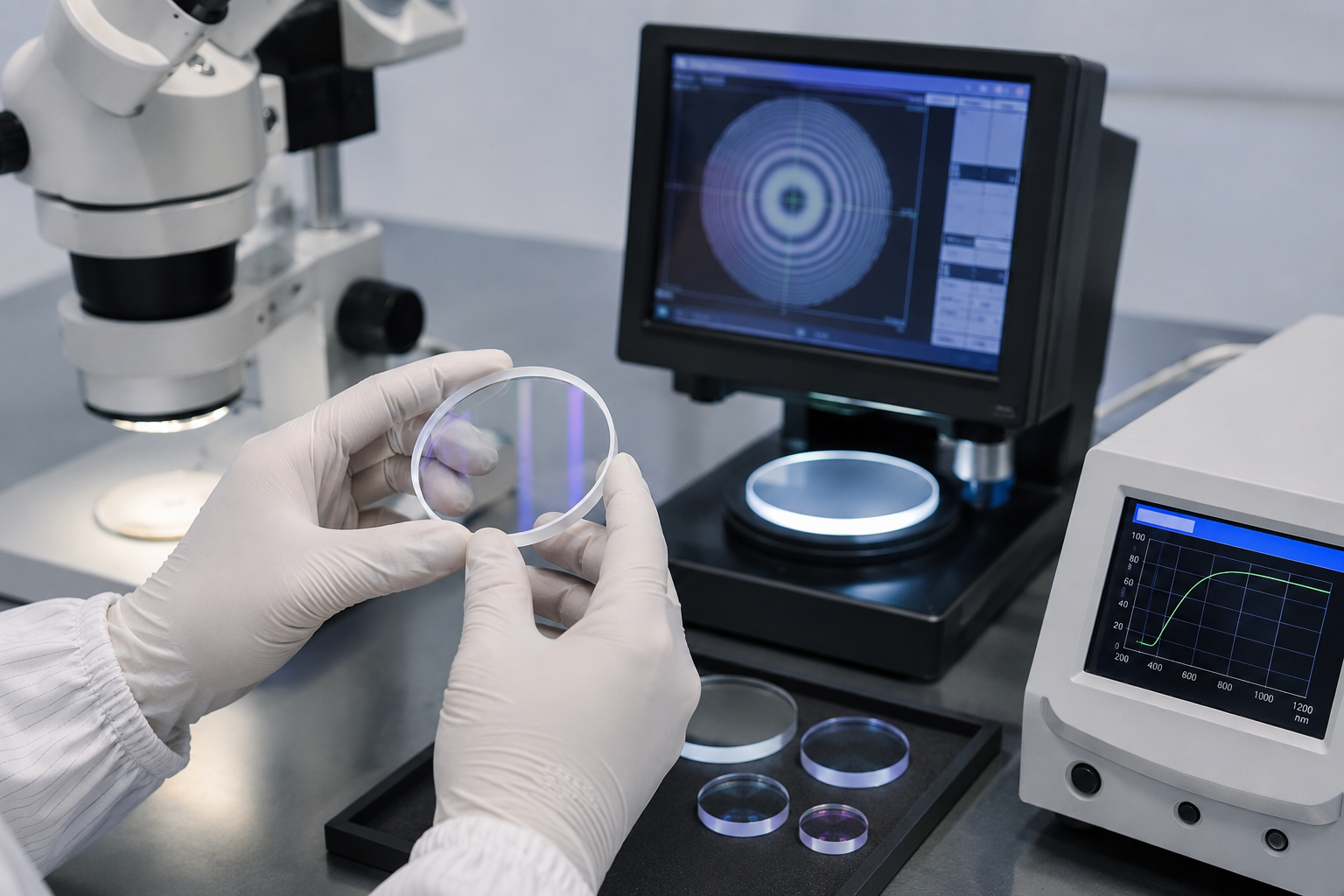
Why Surface Quality Matters in Sapphire Optical Windows Sapphire optical windows are widely used in aerospace, defense, semiconductor equipment, laser systems, medical devices, and harsh-environment optical applications. Their exceptional hardness, broad optical transmission range, and outstanding chemical stability make them one of the most reliable optical materials available today. However, the performance of a sapphire

업계 뉴스

하이엔드 웨어러블 기기에 사파이어 소재를 점점 더 많이 사용하는 이유

As wearable devices evolve from simple consumer electronics into high-precision health monitoring tools and lifestyle accessories, material selection has become a key factor in product differ2entiation. Among various advanced materials, sapphire (single-crystal aluminum oxide) is increasingly adopted in high-end smartwatches, fitness trackers, and optical wearable devices due to its exceptional combination of durability, optical performance,

업계 뉴스

사파이어 커버 글래스 및 광학 보호 기술의 미래 트렌드

As optical devices become more sophisticated and operating environments more demanding, the need for durable and reliable protective materials continues to grow. Among various optical protection materials, sapphire cover glass has emerged as one of the most promising solutions due to its exceptional hardness, optical transparency, thermal stability, and chemical resistance. From consumer electronics to

업계 뉴스

스마트 웨어러블의 사파이어 제품: 이 첨단 소재가 업계 표준이 되는 이유

As smart wearable technology continues to evolve, consumers expect devices that are not only intelligent and functional but also durable, lightweight, and visually appealing. From smartwatches and fitness trackers to smart rings and augmented reality (AR) glasses, manufacturers are constantly searching for materials that can withstand daily wear while maintaining a premium appearance. Among the

사파이어 광학 설명: 사파이어가 광학 창문 및 렌즈에 가장 신뢰받는 소재인 이유

Sapphire is a single-crystal material composed of alpha aluminum oxide (α-Al₂O₃). While it is widely known as a precious gemstone, engineered sapphire has become one of the most important materials in modern optics. Thanks to its exceptional optical transparency, mechanical strength, chemical stability, and thermal resistance, sapphire is extensively used in optical windows, protective covers,

업계 뉴스

사파이어 윈도우를 구매하기 전에: 알아야 할 10가지 중요 사양

Sapphire windows are widely used in demanding optical and industrial environments such as laser systems, vacuum chambers, semiconductor equipment, aerospace sensors, and high-temperature observation systems. Their exceptional hardness, thermal stability, and optical transmission make them a premium material choice. However, when requesting a quotation or placing an order, many buyers only provide basic dimensions, which