著者zmsh

赤外線用窓材:なぜサファイアが高度な光学システムにおいて依然として主要な選択肢であり続けるのか

Infrared (IR) technology plays a critical role in thermal imaging, semiconductor manufacturing, aerospace systems, environmental monitoring, defense equipment, and industrial sensing. At the heart of many infrared optical systems is the infrared window—a component designed to protect sensitive internal optics while transmitting radiation from the target with minimal loss. Selecting the right infrared window material
製品知識

サファイア部品:産業、光学、医療、半導体分野における主な用途

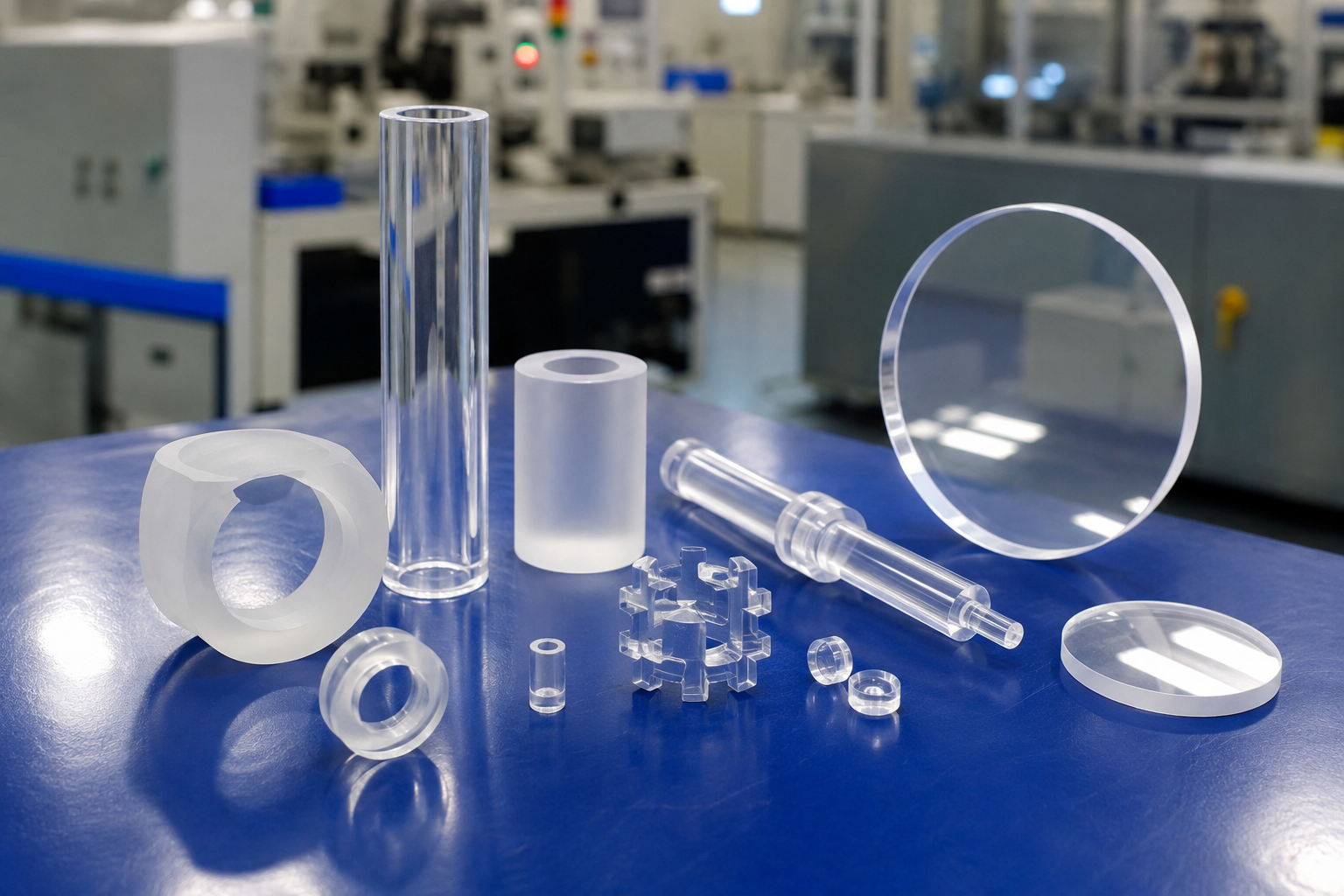
Synthetic sapphire (single-crystal aluminum oxide, Al₂O₃) has become one of the most important engineering materials in high-performance industries. Combining exceptional hardness, excellent optical transmission, chemical inertness, and thermal stability, sapphire is widely used in demanding environments where traditional glass, ceramics, or metals may fail. Key material advantages include: Thanks to these properties, sapphire is increasingly

製品知識

円形、正方形、長方形のサファイア窓:どのデザインが最適か?

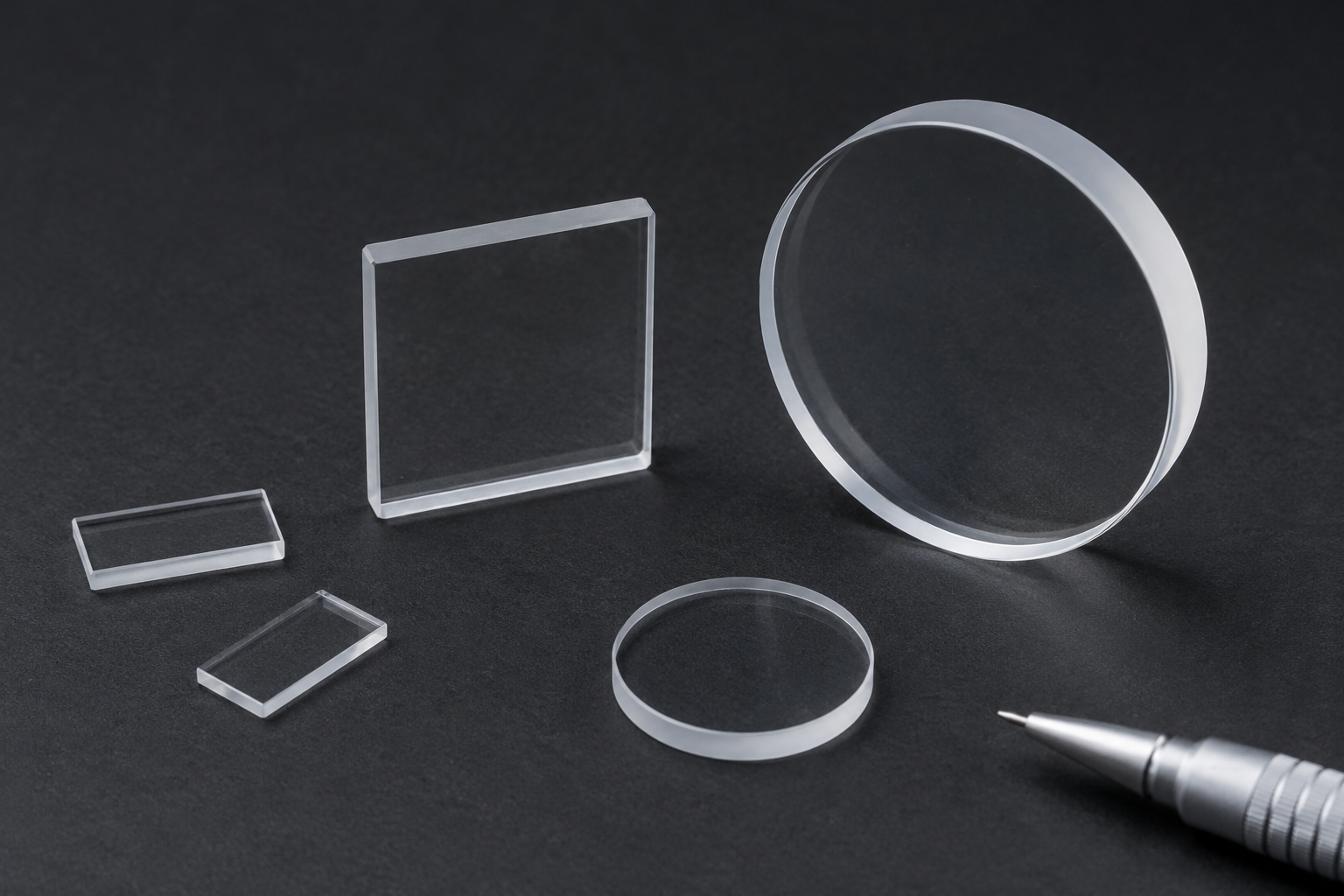
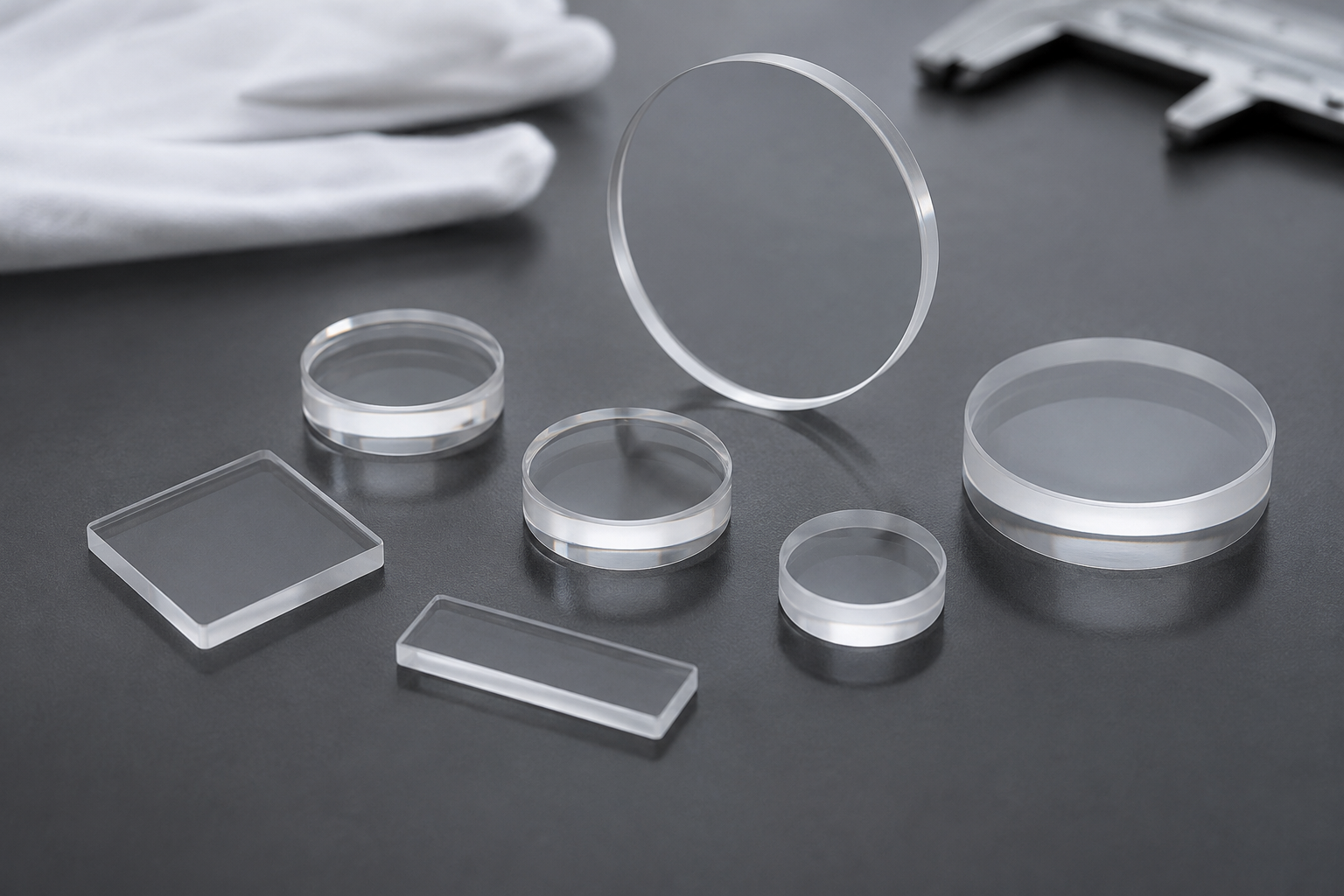
Sapphire optical windows are used in a wide range of industries, including aerospace, defense, semiconductor manufacturing, medical devices, laser systems, and industrial inspection equipment. While material properties such as optical transmission, hardness, and chemical resistance are often the primary focus, the shape of the sapphire window can be equally important. Engineers frequently face a common

製品知識

高圧用サファイア窓に適した厚さの選定

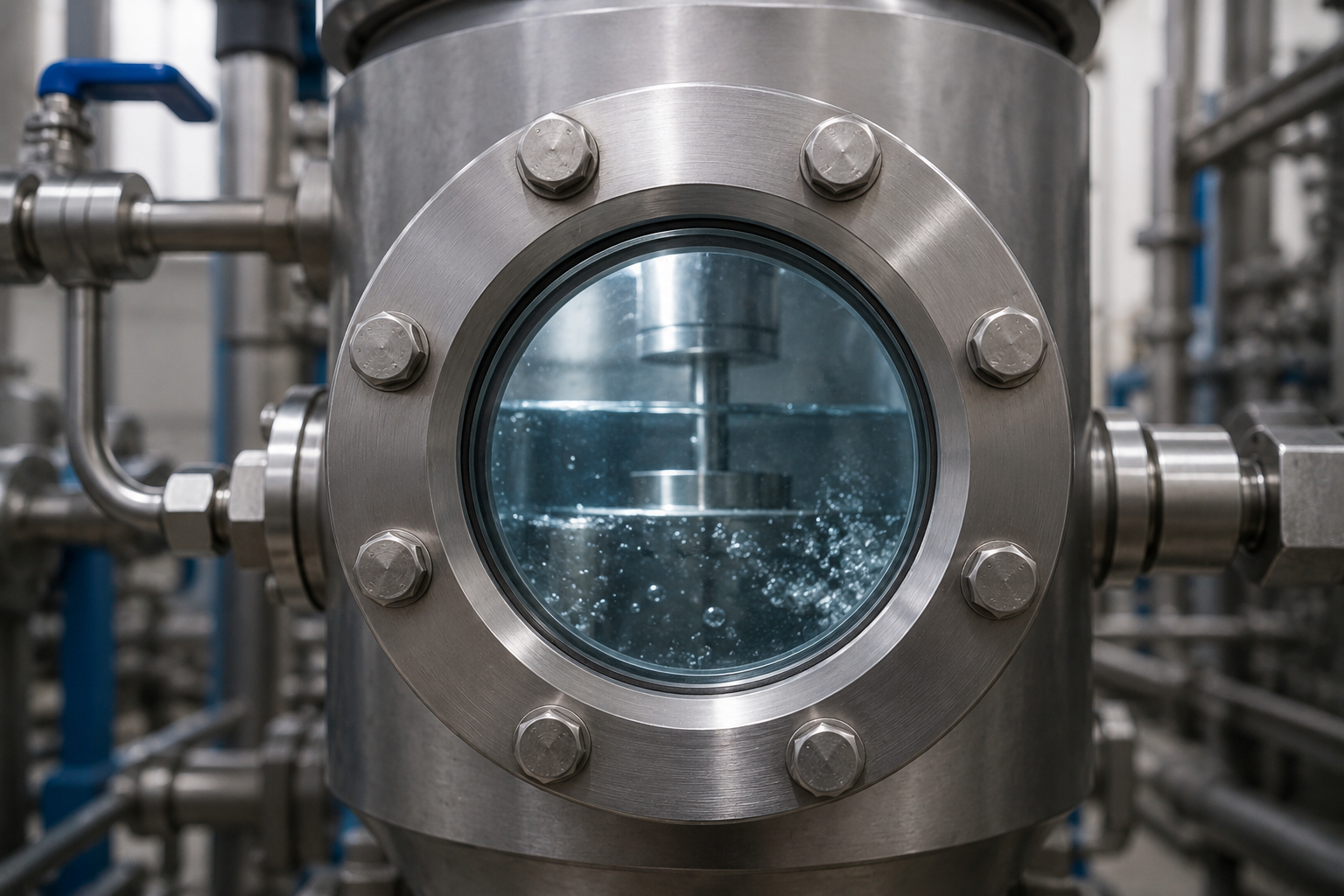
サファイア窓は、ガラスや石英などの従来の光学材料では機能しないような高圧環境において、広く使用されています。 卓越した機械的強度、高い硬度、耐薬品性、そして幅広い光透過範囲を備えているため、サファイア窓は、航空宇宙、深海探査、半導体製造、産業用モニタリング、科学計測機器など、厳しい条件が求められる用途において、最適な選択肢となっています。.

製品知識

サファイア製光学窓の表面品質仕様の理解

Why Surface Quality Matters in Sapphire Optical Windows Sapphire optical windows are widely used in aerospace, defense, semiconductor equipment, laser systems, medical devices, and harsh-environment optical applications. Their exceptional hardness, broad optical transmission range, and outstanding chemical stability make them one of the most reliable optical materials available today. However, the performance of a sapphire

業界ニュース

ハイエンドのウェアラブルデバイスにサファイア素材の採用が増えている理由

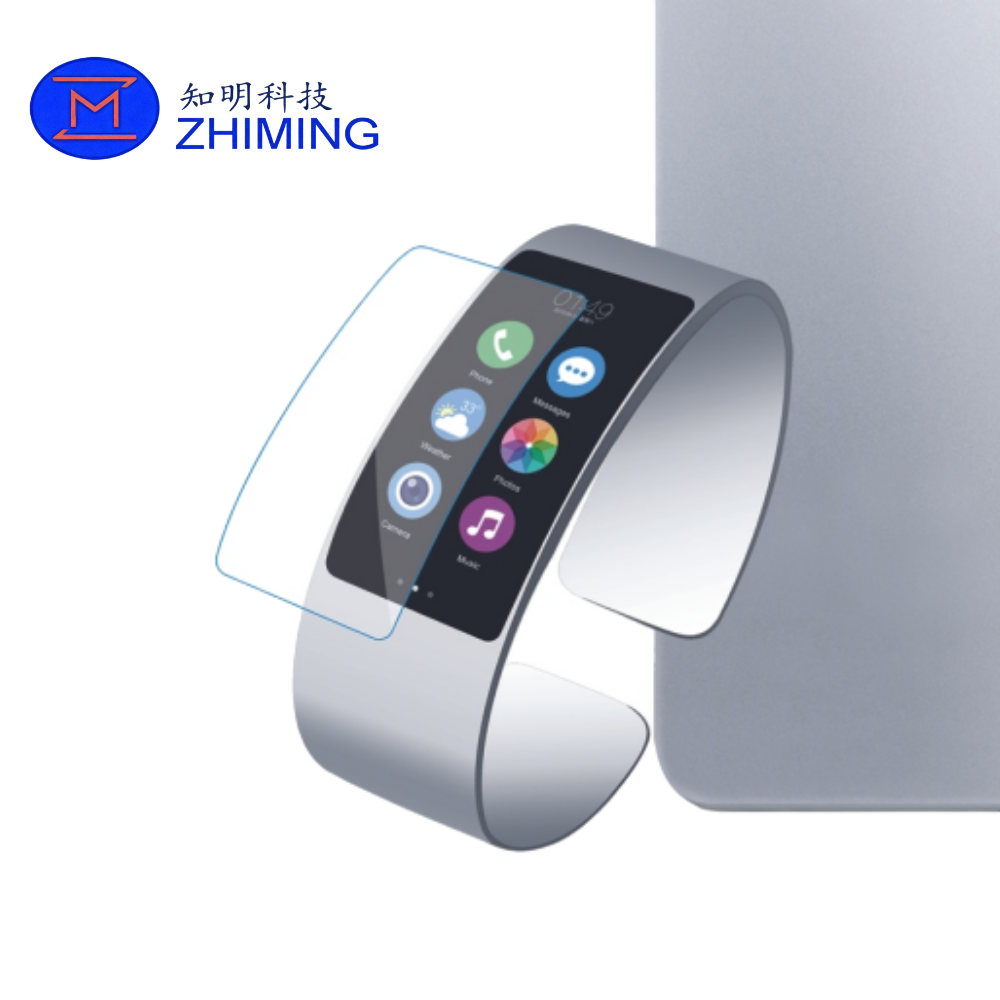
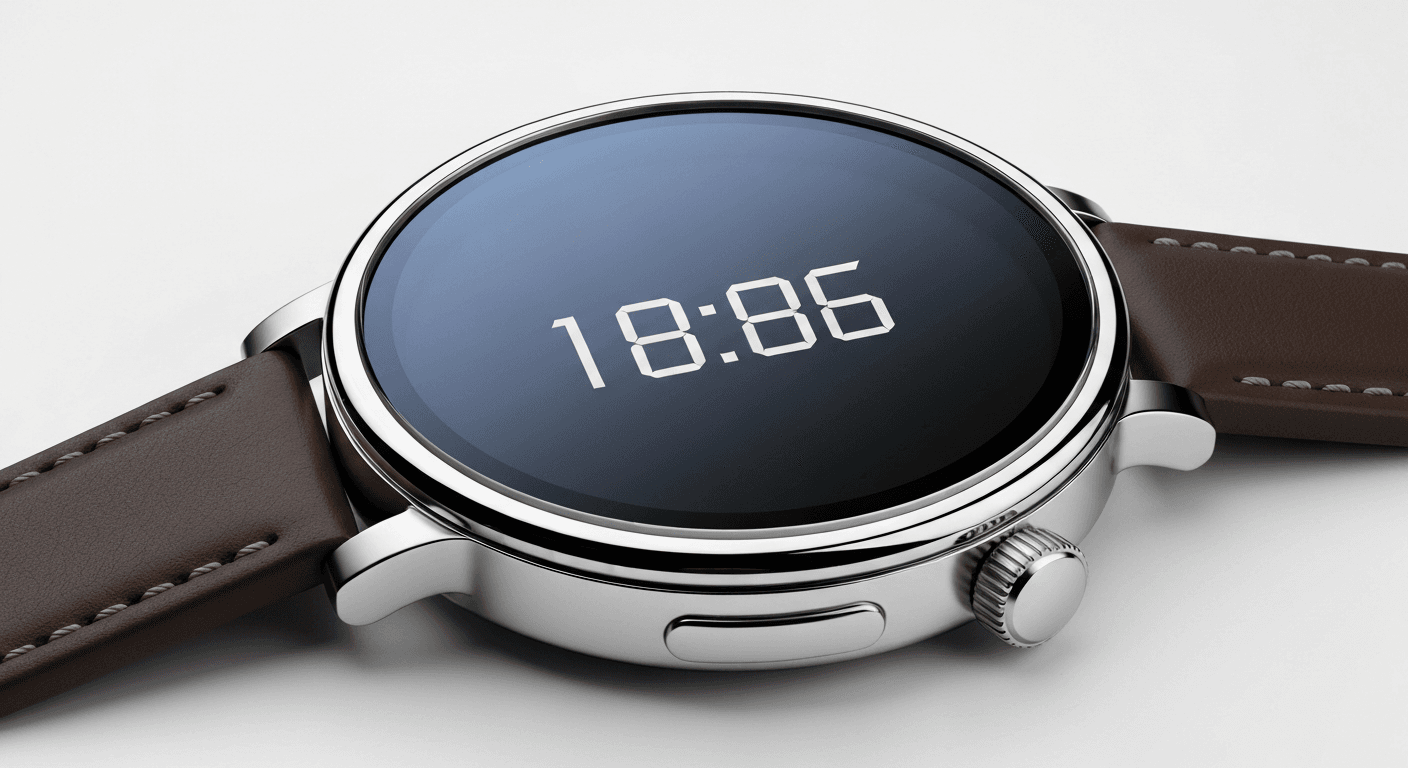
As wearable devices evolve from simple consumer electronics into high-precision health monitoring tools and lifestyle accessories, material selection has become a key factor in product differ2entiation. Among various advanced materials, sapphire (single-crystal aluminum oxide) is increasingly adopted in high-end smartwatches, fitness trackers, and optical wearable devices due to its exceptional combination of durability, optical performance,

業界ニュース

サファイアカバーガラスと光学保護技術の将来動向

As optical devices become more sophisticated and operating environments more demanding, the need for durable and reliable protective materials continues to grow. Among various optical protection materials, sapphire cover glass has emerged as one of the most promising solutions due to its exceptional hardness, optical transparency, thermal stability, and chemical resistance. From consumer electronics to

業界ニュース

スマートウェアラブルにおけるサファイア製品:この先進素材が業界標準になりつつある理由

As smart wearable technology continues to evolve, consumers expect devices that are not only intelligent and functional but also durable, lightweight, and visually appealing. From smartwatches and fitness trackers to smart rings and augmented reality (AR) glasses, manufacturers are constantly searching for materials that can withstand daily wear while maintaining a premium appearance. Among the

サファイア光学の説明:サファイアが光学窓やレンズの素材として最も信頼されている理由

Sapphire is a single-crystal material composed of alpha aluminum oxide (α-Al₂O₃). While it is widely known as a precious gemstone, engineered sapphire has become one of the most important materials in modern optics. Thanks to its exceptional optical transparency, mechanical strength, chemical stability, and thermal resistance, sapphire is extensively used in optical windows, protective covers,

業界ニュース

サファイアウインドウを買う前に:知っておくべき10の重要仕様

Sapphire windows are widely used in demanding optical and industrial environments such as laser systems, vacuum chambers, semiconductor equipment, aerospace sensors, and high-temperature observation systems. Their exceptional hardness, thermal stability, and optical transmission make them a premium material choice. However, when requesting a quotation or placing an order, many buyers only provide basic dimensions, which