Author: zmsh

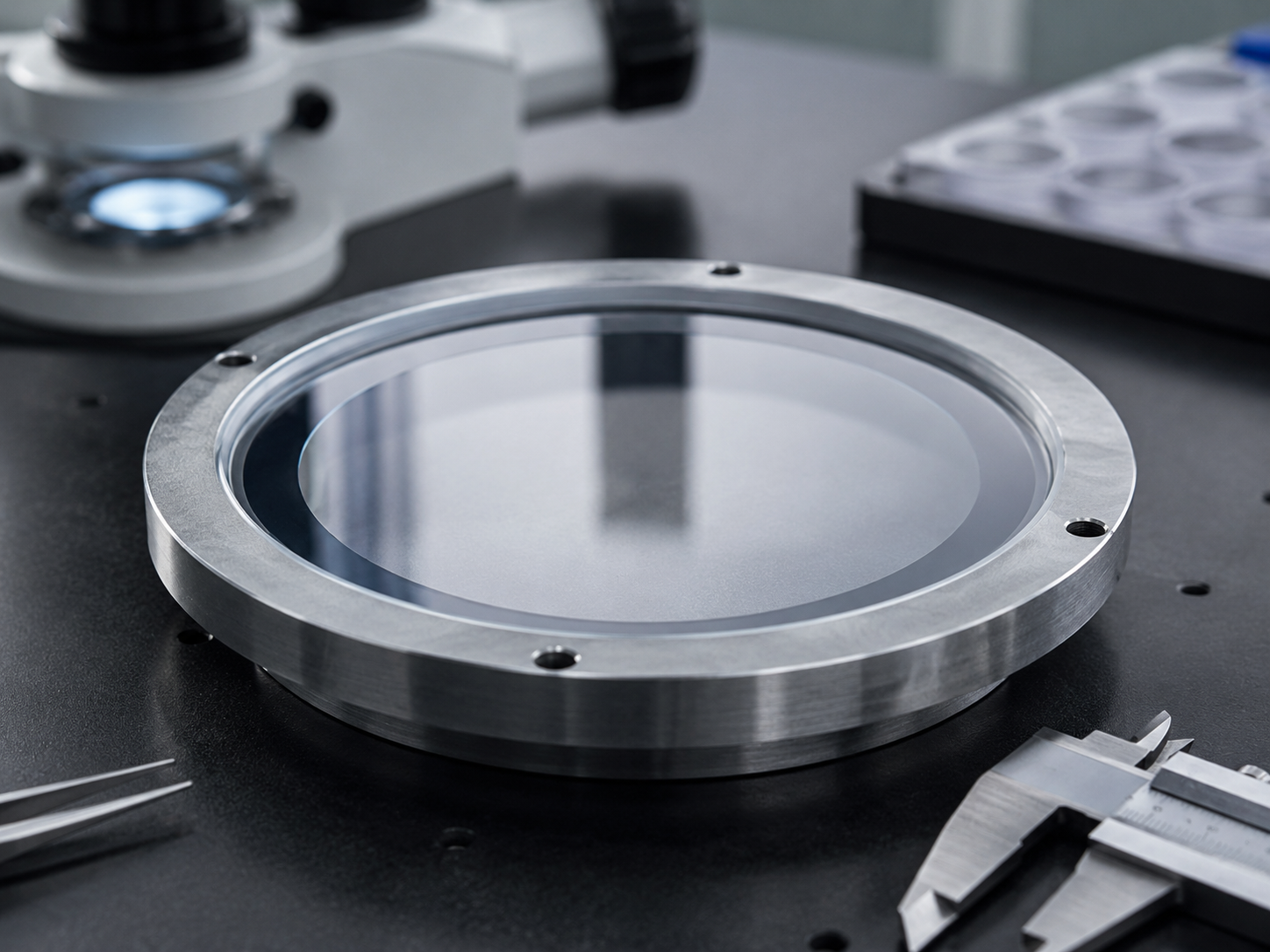
Cúpula óptica de zafiro frente a ventana óptica plana de zafiro: Una comparación técnica

1. Introduction Sapphire (single-crystal Al₂O₃) is widely used in advanced optical systems due to its exceptional combination of properties: Because of these properties, sapphire is commonly used in both: However, the optical and mechanical behavior of these two geometries differs significantly, especially under high-pressure, wide-angle, or harsh environmental conditions. 2. Sapphire Flat Optical Window A

Noticias del sector

Anti-Reflective Coatings for Sapphire Optical Windows

Sapphire optical windows are widely used in high-performance optical systems due to their exceptional hardness, thermal stability, chemical resistance, and broad optical transmission range. However, despite these advantages, uncoated sapphire surfaces inherently exhibit relatively high Fresnel reflection losses because of sapphire’s high refractive index. To overcome this limitation, anti-reflective (AR) coatings are commonly applied to

Noticias del sector

Aplicación de ventanas de zafiro en detectores de llama: Materiales, rendimiento e importancia para la ingeniería

Flame detectors are critical components in modern fire safety systems, designed to identify combustion events through optical sensing of flame radiation. The reliability of these devices heavily depends on the performance of the optical window, which must operate under extreme environmental conditions. This article provides a scientific and engineering-focused overview of sapphire windows, highlighting their

Ventanas de zafiro frente a ventanas de cuarzo: Guía comparativa de ingeniería para sistemas ópticos de alto rendimiento

1. Introduction In high-performance optical, industrial, and scientific systems, material selection for optical windows directly determines system reliability, thermal stability, and service life. Among commonly used materials, sapphire (single-crystal Al₂O₃) and fused quartz (SiO₂) are two of the most widely specified options. Although both are considered high-grade optical materials, they differ significantly in: This guide

Ventanas de zafiro de alta presión y alta temperatura para uso industrial

1. Introduction In modern industrial environments, optical components are no longer limited to laboratories or low-stress systems. Instead, they are increasingly required to operate in extreme conditions involving high pressure, elevated temperature, corrosive media, and intense radiation. Conventional materials such as standard glass or even fused quartz often fail under such conditions due to thermal

Noticias del sector

Límites de presión de la ventana de zafiro: PSI, Espesor, Factor de seguridad

1. What You Really Need to Know If you are selecting a sapphire window for high-pressure use, the decision comes down to 3 engineering variables: 👉 Core rule (must remember): Pressure capacity ∝ (Thickness² / Diameter²) This means: 2. Engineering Parameter Table Clear Diameter (mm) Pressure (PSI) Pressure (MPa) Recommended Thickness (mm) Safety Factor 10

Noticias del sector

¿Qué radiaciones pueden atravesar las ventanas de zafiro?

Sapphire (single-crystal Al₂O₃) is widely used in optical systems, aerospace instruments, high-pressure viewports, and laser equipment due to its exceptional combination of mechanical strength and optical transparency. One of its most important properties is its ability to transmit a broad range of electromagnetic radiation. This article provides a scientifically grounded explanation of which types of

Noticias del sector

¿Qué grosor puede tener una ventana de zafiro?

Sapphire (single-crystal Al₂O₃) is widely used in optical, high-pressure, aerospace, and laser systems due to its exceptional hardness, thermal stability, and broad optical transmission range. One frequently asked engineering question is: how thin can a sapphire window be manufactured while still maintaining structural and optical performance? 1. Material Background: Why Sapphire Enables Thin Windows Sapphire

Noticias del sector

Visión general de los componentes de zafiro y sus aplicaciones industriales

Sapphire material is a synthetic single-crystal form of corundum (Al₂O₃) that has become one of the most important advanced engineering materials in high-end industrial applications. It is widely recognized for its exceptional hardness (Mohs hardness 9, second only to diamond), excellent wear resistance, high thermal conductivity, strong chemical inertness, and broad optical transmission range from

Noticias del sector

Sapphire vs Fused Silica: Application Substitution in High-Performance Optical Systems

Synthetic sapphire is a single-crystal form of aluminum oxide (Al₂O₃), known for its extreme hardness and mechanical robustness. Key characteristics include: From an engineering perspective, sapphire behaves more like a structural optical material, where mechanical integrity is often as important as optical transmission. Fused Silica: Optical Purity and Thermal Stability Fused silica is an amorphous