
As smart wearable technology continues to evolve, consumers expect devices that are not only intelligent and functional but also durable, lightweight, and visually appealing. From smartwatches and fitness trackers to smart rings and augmented reality (AR) glasses, manufacturers are constantly searching for materials that can withstand daily wear while maintaining a premium appearance.
Among the various materials used in wearable devices, sapphire has emerged as one of the most valuable and widely adopted solutions. Thanks to its exceptional hardness, optical clarity, and chemical stability, sapphire plays an increasingly important role in next-generation wearable products.
What Is Sapphire?
Sapphire is a single-crystal form of aluminum oxide (Al₂O₃). Although often associated with gemstones, synthetic sapphire is widely used in high-tech industries due to its remarkable physical and chemical properties.
Key characteristics of sapphire include:
| Property | Value / Benefit |
|---|---|
| Mohs Hardness | 9 (second only to diamond) |
| Optical Transparency | Excellent transmission from UV to IR wavelengths |
| Scratch Resistance | Outstanding resistance to daily wear and abrasion |
| Chemical Stability | Resistant to acids, alkalis, sweat, and corrosion |
| Thermal Resistance | Performs reliably in high-temperature environments |
| Biocompatibility | Safe for prolonged skin contact |
These advantages make sapphire an ideal material for wearable devices that require both durability and premium aesthetics.
Sapphire Applications in Smartwatches
Smartwatches are among the most demanding wearable devices because they are constantly exposed to scratches, impacts, moisture, and environmental contaminants.
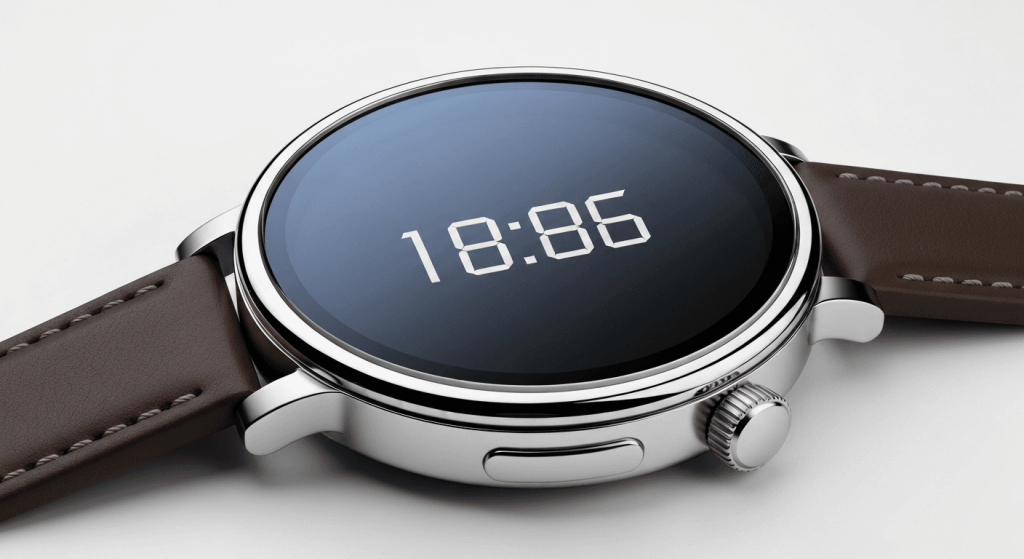
Sapphire Watch Crystal
One of the most common applications is the watch crystal (cover glass). Sapphire crystal offers:
- Exceptional scratch resistance
- High transparency for improved display visibility
- Long-term optical clarity
- Enhanced premium appearance
Compared with conventional glass, sapphire significantly reduces the risk of visible scratches during daily use, helping the device maintain its appearance for years.
Sapphire Watch Bezels
Sapphire bezels provide:
- Superior wear resistance
- Improved durability
- Enhanced luxury aesthetics
- Better resistance to environmental damage
Luxury and high-end smartwatches increasingly use sapphire bezels to complement advanced display technologies.
Sapphire Watch Cases
Sapphire can also be used to manufacture transparent or semi-transparent watch cases. These cases offer:
- Outstanding hardness
- Corrosion resistance
- Modern premium design
- Long service life
As manufacturing technologies continue to improve, sapphire watch cases are becoming more practical for commercial wearable products.
Sapphire Watch Dials
For premium watch designs, sapphire dials provide:
- Elegant appearance
- Excellent light transmission
- Resistance to discoloration and wear
- Enhanced durability compared with traditional materials
Sapphire in Fitness and Health Tracking Devices
Fitness trackers and health monitoring devices are frequently exposed to sweat, moisture, dust, and physical impacts.
Sapphire components help improve reliability by protecting:
- Optical sensors
- Heart-rate monitoring windows
- Blood oxygen sensors
- Display covers
Because sapphire is highly resistant to chemical corrosion, it can withstand prolonged exposure to sweat and cleaning agents without degradation.
Benefits include:
- Longer product lifespan
- Improved sensor protection
- Better optical performance
- Reduced maintenance requirements
Sapphire in Smart Rings
Smart rings have become one of the fastest-growing categories in wearable technology. Due to their compact size and constant contact with the user’s hand, durability is especially important.
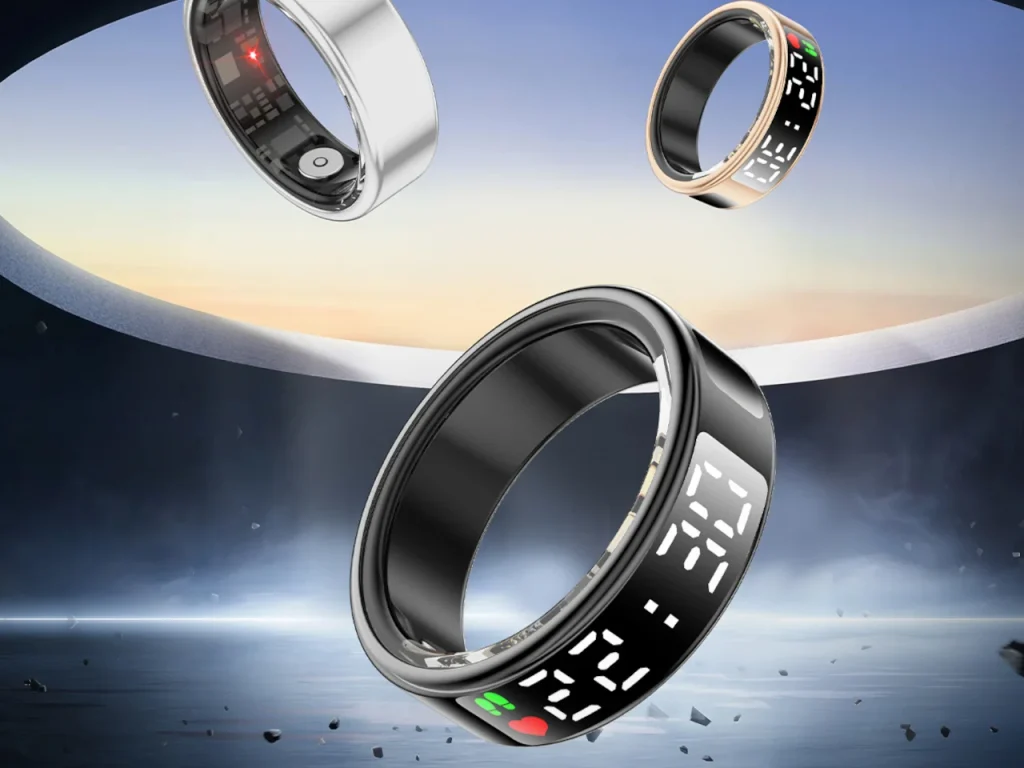
Sapphire Ring Housing
Sapphire is increasingly used as an outer housing material for smart rings because it provides:
- Exceptional scratch resistance
- High wear resistance
- Premium appearance
- Excellent skin compatibility
Sapphire Sensor Windows
Many smart rings use optical sensors to monitor:
- Heart rate
- Blood oxygen levels
- Sleep quality
- Activity tracking
Sapphire’s excellent optical transparency allows sensor systems to operate efficiently while remaining protected from physical damage.
Advantages for Smart Ring Designs
Using sapphire in smart rings can provide:
- Longer product life
- Improved user comfort
- Enhanced aesthetics
- Better protection for internal electronics
- Consistent sensor performance
Sapphire in Augmented Reality (AR) Glasses
As AR and mixed-reality technologies continue to advance, optical materials are becoming increasingly critical.
Sapphire offers several advantages for AR devices:
High Optical Transparency
Sapphire allows excellent light transmission, making it suitable for advanced optical systems that require image clarity and precision.
Protection of Optical Components
AR glasses contain delicate optical assemblies that benefit from sapphire’s:
- High hardness
- Scratch resistance
- Environmental stability
Lightweight and Durable Solutions
Modern sapphire processing technologies allow manufacturers to produce thin yet durable optical components that meet the demanding requirements of wearable AR systems.
Why Sapphire Is Preferred for Wearable Devices
Several factors explain why sapphire has become a preferred material in premium wearable electronics:
Superior Scratch Resistance
Daily wear exposes devices to keys, metal surfaces, sand particles, and other abrasive materials. Sapphire dramatically reduces visible damage compared with standard glass.
Premium Appearance
The crystal-clear appearance of sapphire contributes to a high-end product design and enhances perceived product value.
Long-Term Reliability
Sapphire maintains its appearance and performance even after years of use, making it an excellent choice for consumer electronics.
Excellent Environmental Resistance
Whether exposed to sweat, moisture, cosmetics, cleaning products, or temperature fluctuations, sapphire remains highly stable.
Compatibility with Advanced Sensors
Its optical transparency makes sapphire ideal for wearable devices that rely on optical sensing technologies.
Common Sapphire Components Used in Smart Wearables
Today, sapphire can be manufactured into a wide range of wearable components, including:
- Watch crystals
- Watch bezels
- Watch cases
- Watch dials
- Sensor windows
- Camera covers
- Smart ring housings
- Biometric sensing windows
- Optical lenses
- AR display components
Custom shapes, thicknesses, coatings, and surface finishes can be produced to meet specific product requirements.
Future Outlook
The wearable technology market continues to grow rapidly, driven by advances in health monitoring, AI-powered devices, and immersive AR experiences. As manufacturers seek materials that combine durability, aesthetics, and performance, sapphire is expected to play an even larger role in future product designs.
From smartwatches and fitness trackers to smart rings and AR glasses, sapphire provides a unique combination of hardness, transparency, chemical stability, and premium appearance that few materials can match.
As wearable devices become more sophisticated, sapphire will remain one of the key materials enabling next-generation consumer electronics.