Author: zmsh

Industrie-Nachrichten

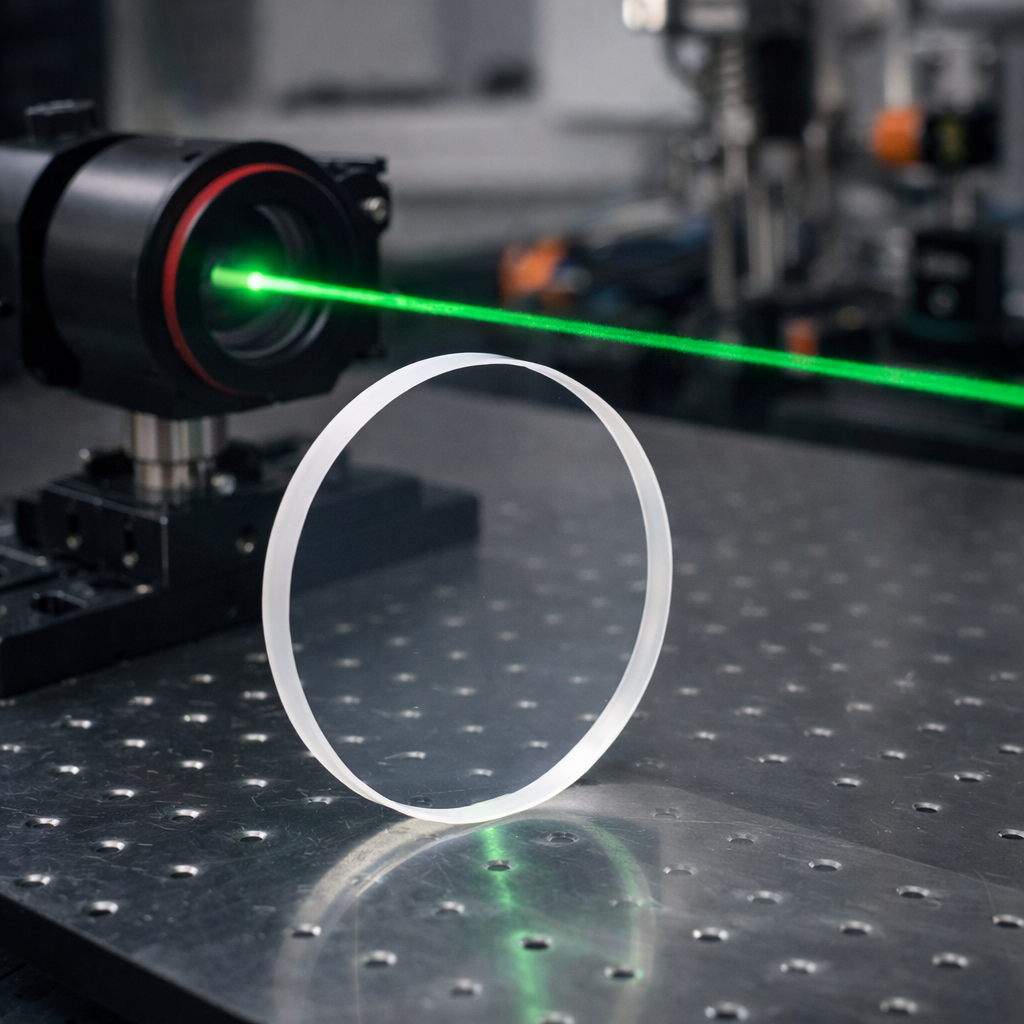
Top 5 Considerations When Choosing a Sapphire Window Supplier for Industrial Laser Systems

Sapphire (Al₂O₃) has emerged as one of the most reliable optical materials for industrial laser applications due to its exceptional hardness, chemical stability, and optical transparency across ultraviolet (UV), visible, and infrared (IR) wavelengths. However, not all sapphire windows are created equal. Choosing the right supplier can make the difference between consistent laser performance and
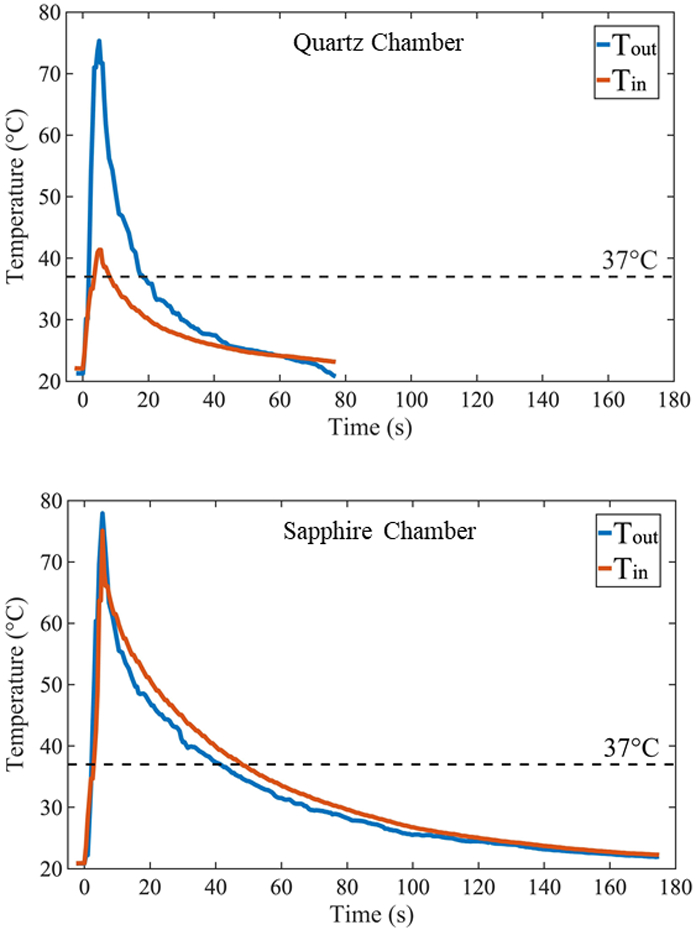
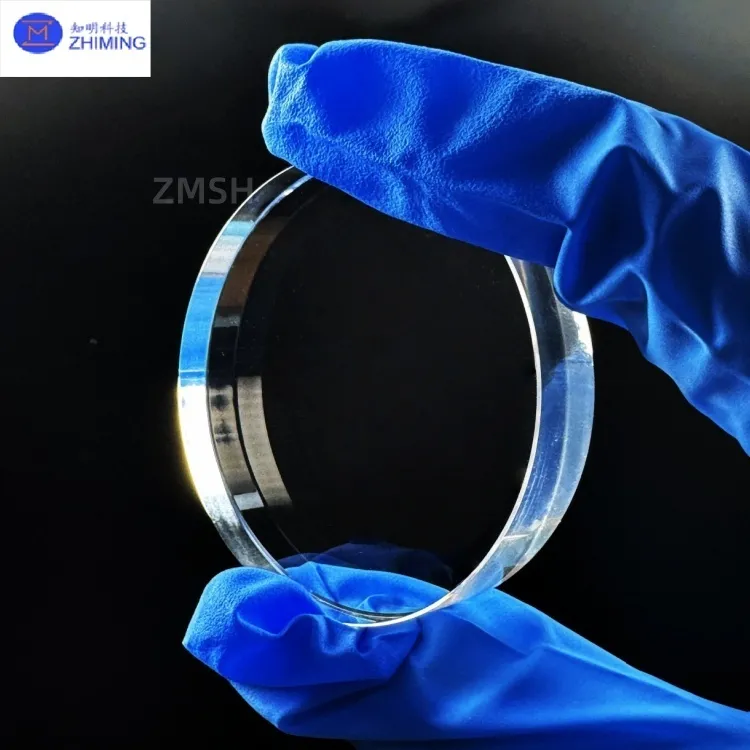
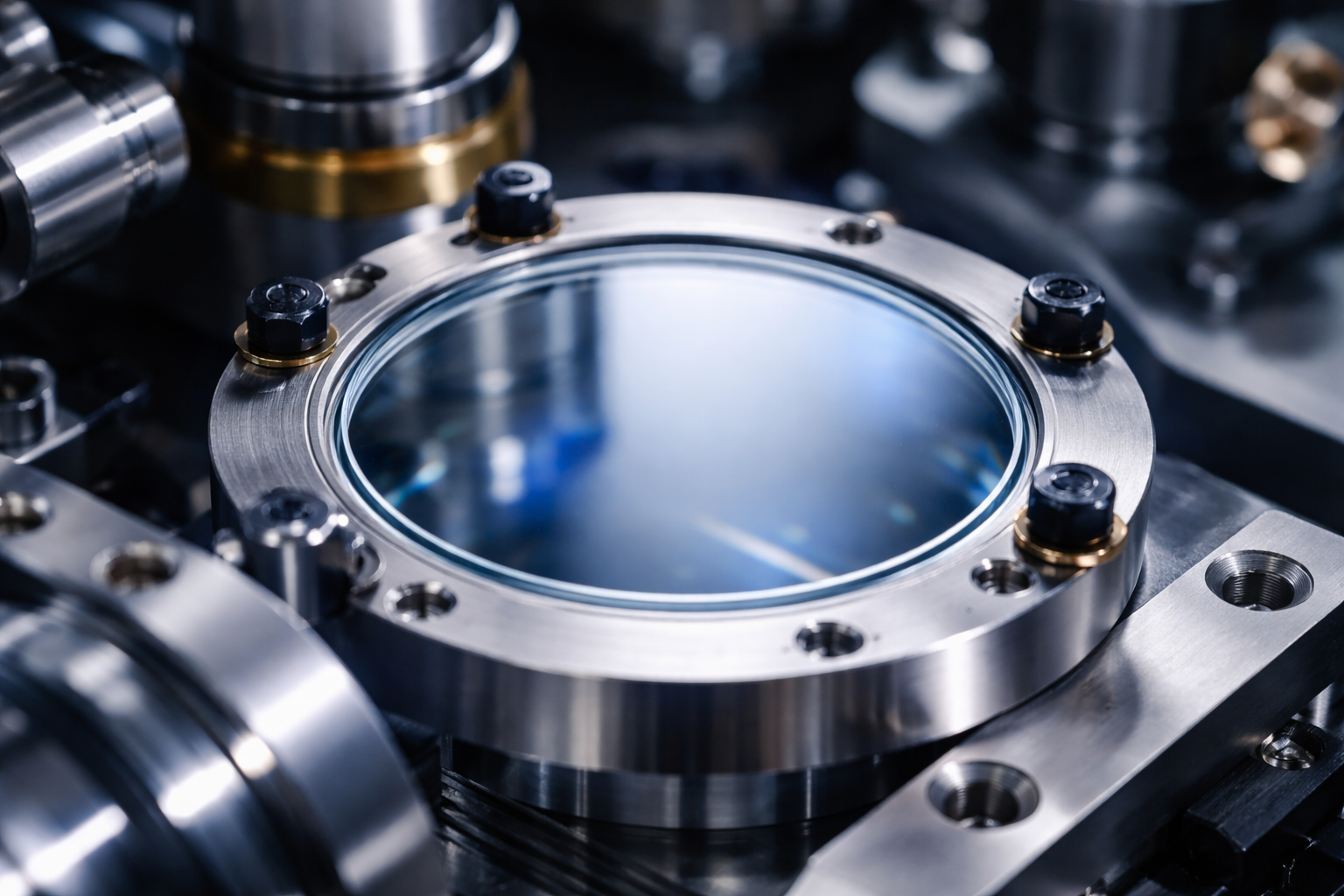
High-Precision Equipment Must-See: Comparative Advantages and Disadvantages of Quartz Windows and Sapphire Windows

In high-precision optical and industrial equipment, the choice of window material plays a critical role in system performance, reliability, and longevity. Among the most commonly used materials are fused quartz and sapphire. Both materials exhibit excellent optical transparency, thermal stability, and chemical resistance, but they differ significantly in mechanical strength, cost, and application suitability. 1.

Company News

Sapphire Optical Windows vs Quartz Windows: Optical and Thermal Performance Comparison

Optical windows are essential components in high-precision optical systems, protecting sensitive equipment while allowing electromagnetic radiation to pass with minimal distortion. Among the most widely used materials are sapphire (single-crystal Al₂O₃) and fused quartz (amorphous SiO₂). Both materials exhibit excellent transparency and chemical stability, making them suitable for applications in semiconductor processing, aerospace optics, laser

Industrie-Nachrichten

The Critical Role of Sapphire Windows in Scientific Experiments and Industrial Testing

Sapphire windows, made from single-crystal aluminum oxide (Al₂O₃), are widely recognized for their exceptional hardness, chemical stability, and wide optical transmission range. These properties make sapphire windows indispensable in both scientific experiments and industrial testing environments where transparency, durability, and precision are required. This article explores the critical role of sapphire windows, their unique characteristics,

Industrie-Nachrichten

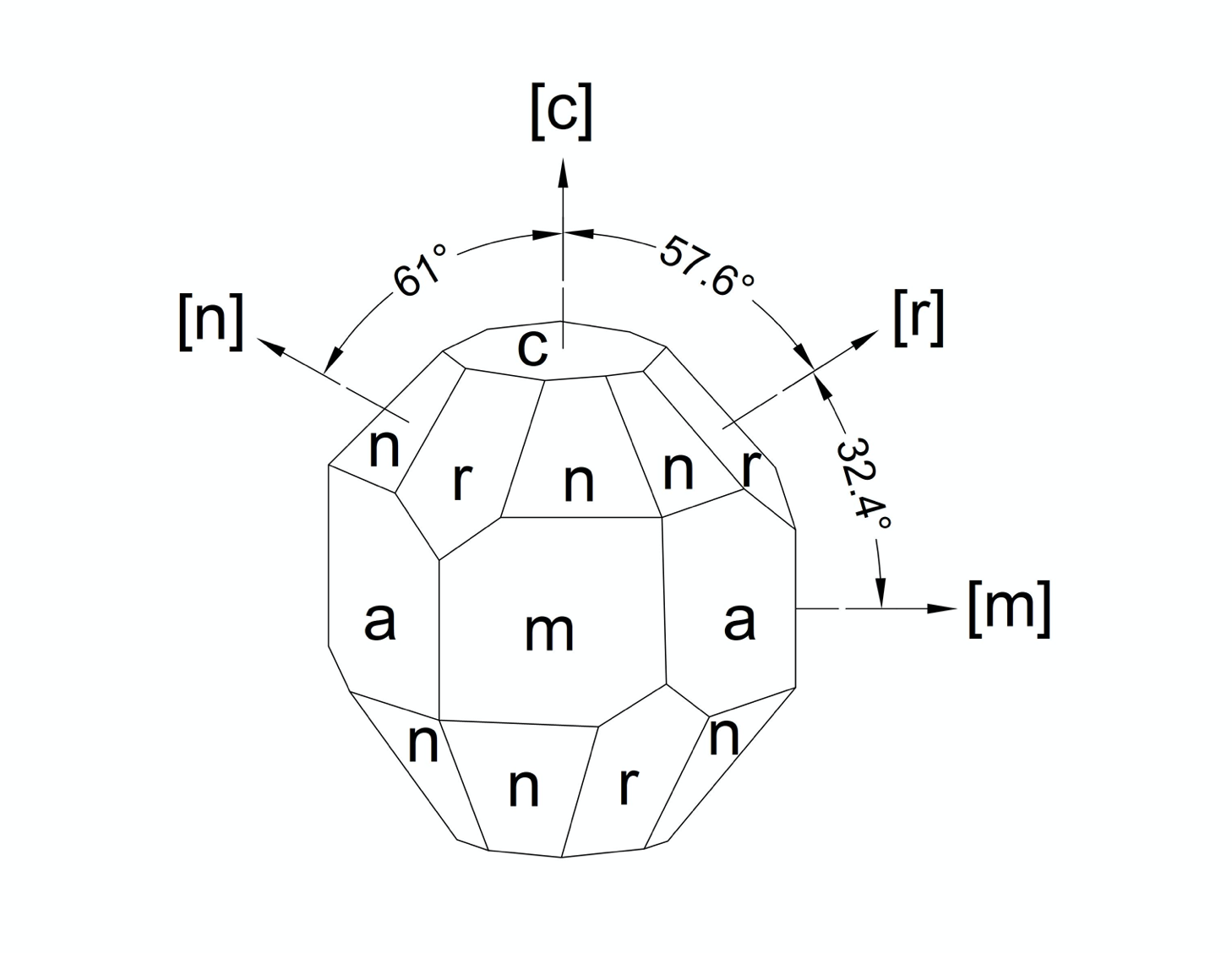
Differences Between C-plane, A-plane, and M-plane Sapphire Windows

Sapphire windows are widely used in high-performance optical systems, semiconductor equipment, laser technology, and harsh industrial environments due to their exceptional hardness, chemical stability, and wide optical transmission range. While sapphire is a single material, the crystallographic orientation of the sapphire wafer can significantly affect its optical, mechanical, and thermal properties. The most common orientations

Industrie-Nachrichten

Installation and Maintenance Guide for Sapphire Windows in Industrial Laser Equipment

Sapphire windows are critical components in industrial laser systems, offering unmatched optical clarity, mechanical strength, and thermal stability. They are widely used in applications ranging from high-power laser processing to ultraviolet (UV) and infrared (IR) optical systems. The combination of high hardness, chemical inertness, and wide spectral transmission makes sapphire superior to conventional optical materials

Industrie-Nachrichten

The Role of Sapphire Optical Components in High-Precision Instruments

High-precision instruments, ranging from scientific measurement devices to advanced imaging systems, demand materials that combine exceptional mechanical, thermal, and optical properties. Sapphire (Al₂O₃), a single-crystal form of aluminum oxide, has emerged as a preferred material for optical components in these high-precision instruments due to its unique combination of hardness, chemical stability, and optical clarity. This

Company News

Sapphire Window Thickness and Pressure Resistance Guide: Engineering Calculations for Deep-Sea and Extreme High-Pressure Applications

1. Engineering Role of Sapphire Windows in High-Pressure Systems Sapphire windows are widely used in deep-sea exploration systems, high-pressure reactors, downhole oil and gas tools, and extreme-environment optical sensors. In these applications, a sapphire window is not merely an optical component but a structural pressure boundary. It must withstand significant differential pressure while maintaining optical

Product Knowledge

How to Define Safety Factors for Sapphire Windows in High-Temperature and High-Pressure Systems

Sapphire windows are widely used in systems where optical access must be maintained under extreme temperature and pressure conditions. Typical applications include high-pressure reactors, high-temperature optical diagnostics, laser processing chambers, and aerospace instrumentation. While sapphire offers exceptional mechanical strength and thermal stability, failures still occur when safety factors are poorly defined or incorrectly applied. In

Product Knowledge

Can a Sapphire Window Withstand 60 Bar Gas Pressure? Engineering Limits Explained

High-pressure Sapphire optical windows are widely used in gas reactors, pressure vessels, high-temperature imaging systems, and chemical test cells. Among available transparent materials, sapphire is often selected for demanding environments due to its exceptional mechanical strength, thermal stability, and chemical resistance. A frequently asked engineering question is whether a sapphire window can safely withstand a