Author: zmsh

產業新聞

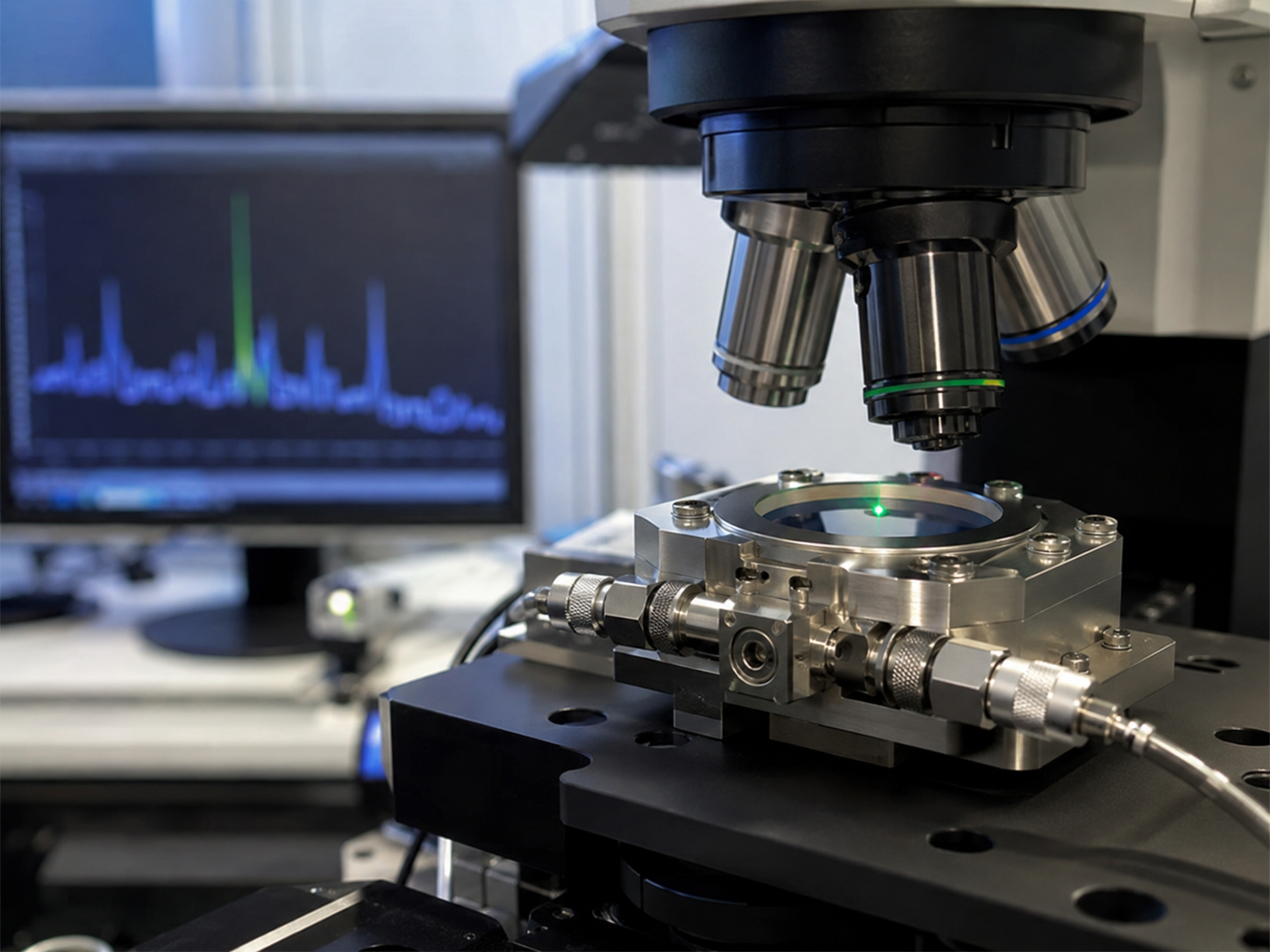
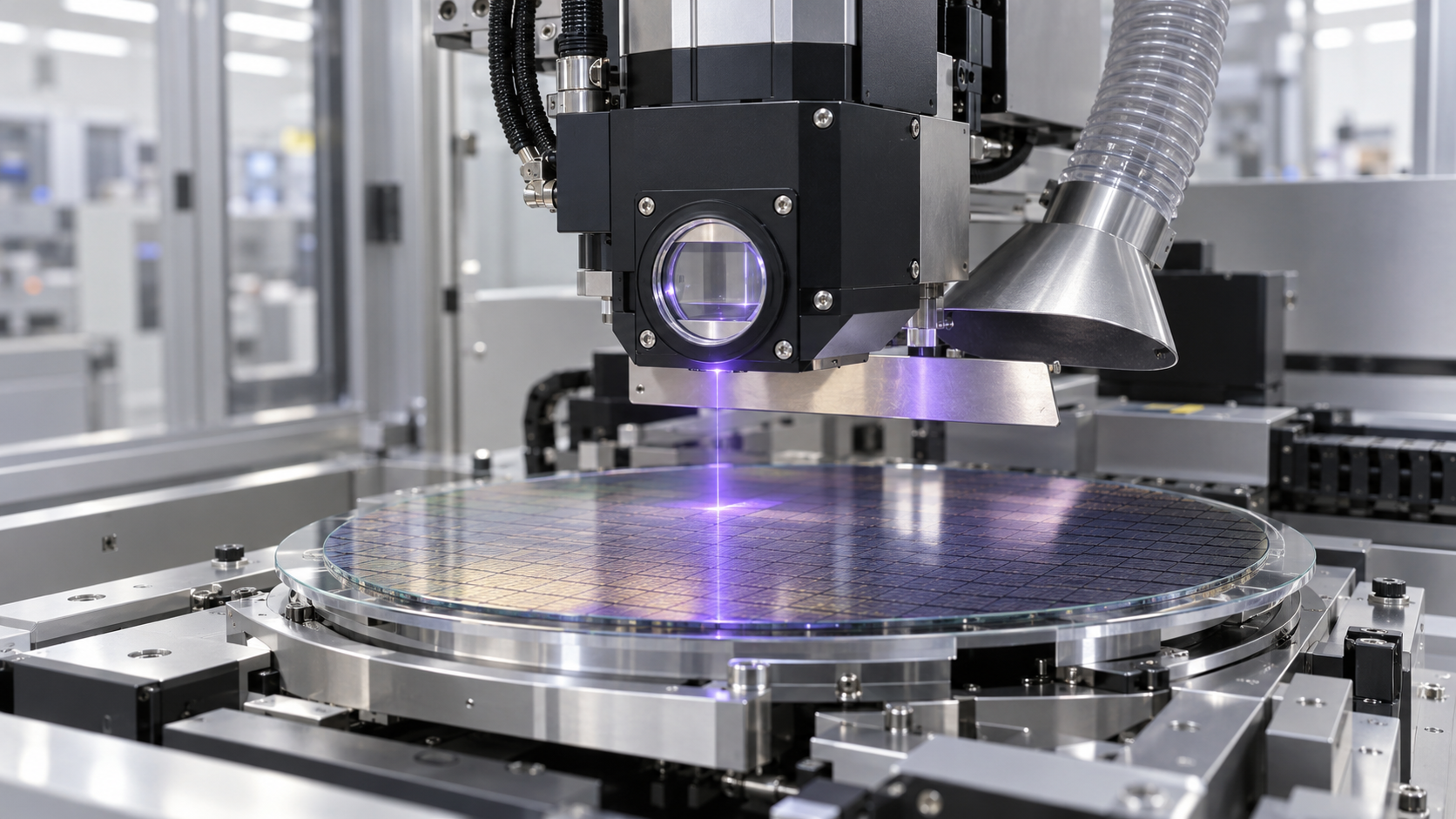
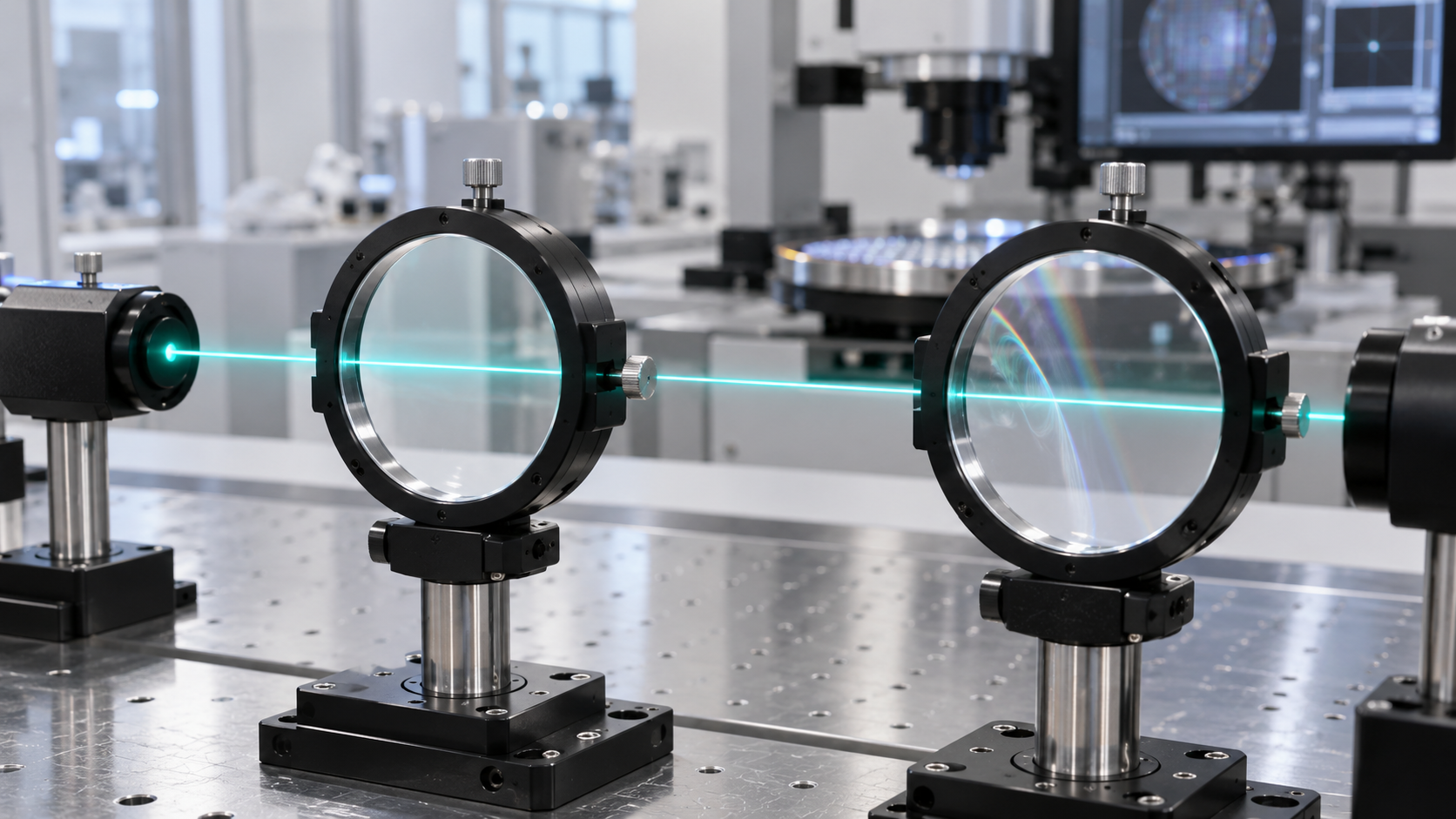
Sapphire Protective Windows for UV Laser Debonding in HBM and Hybrid Bonding: 355 nm Transmission, Laser Damage Threshold, AR Coating and Debris Control

High-bandwidth memory, 3D DRAM and hybrid-bonded semiconductor packages require increasingly thin device wafers and dies. Temporary bonding provides mechanical support while these fragile wafers undergo back grinding, TSV processing, metallization, cleaning, inspection and other manufacturing steps. After processing, the device wafer or functional layer must be separated from its temporary carrier without introducing cracks, excessive
產業新聞

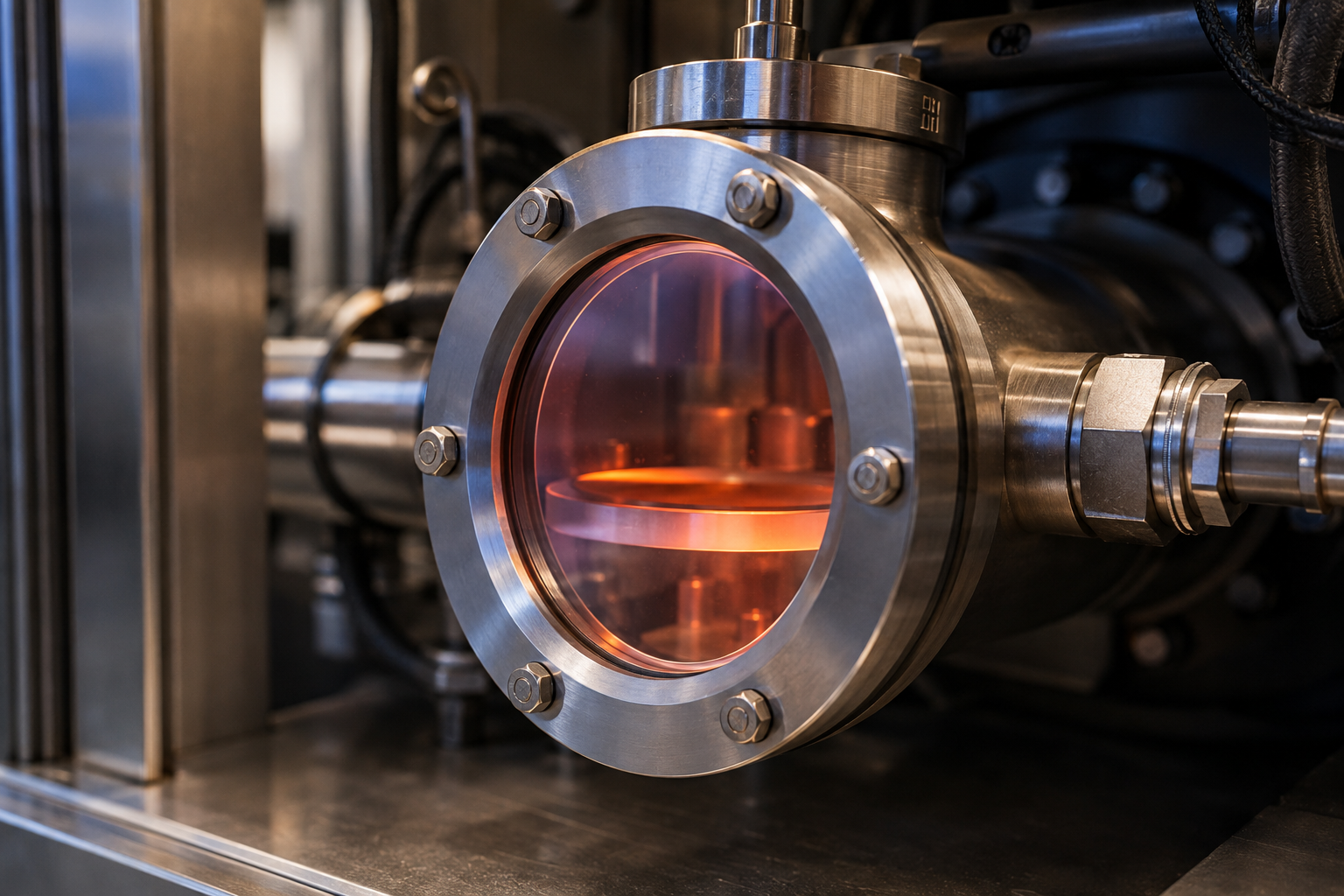
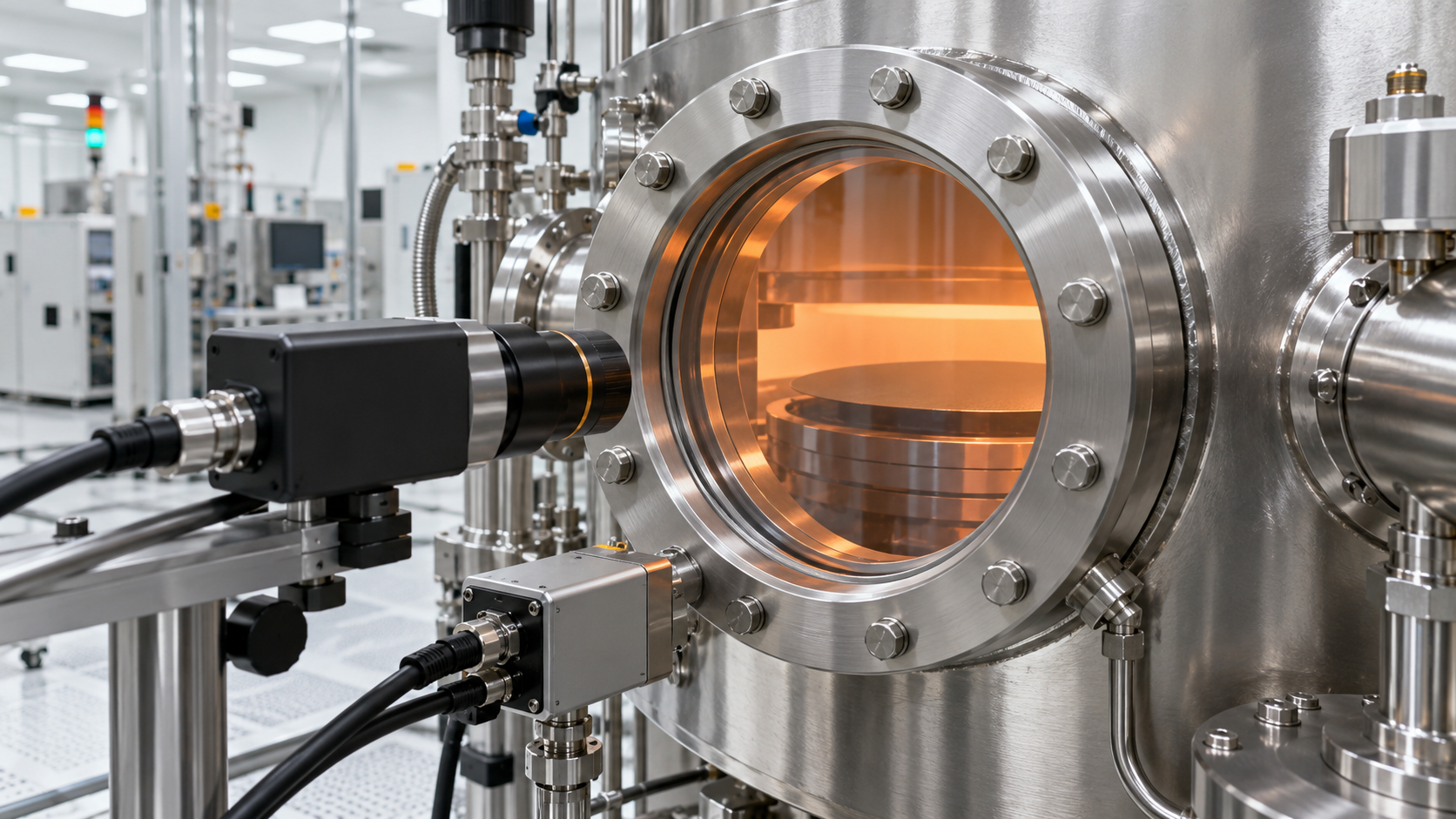
Sapphire Viewports for 200 mm and Future 300 mm SiC Epitaxy Reactors: Pyrometry Wavelengths, Thermal Stress, Deposit Buildup and In-Situ Monitoring

Silicon carbide manufacturing is moving from 150 mm wafers toward 200 mm production. Commercial 200 mm SiC epitaxy platforms are already available, including batch systems capable of processing multiple 200 mm wafers. At the same time, the successful demonstration of a single-crystal 300 mm SiC wafer in 2026 has opened discussion about how future crystal

產業新聞

R-Plane vs C-Plane Sapphire Windows for Semiconductor Alignment and Metrology: Birefringence, Polarization, Wavefront Error and Orientation Selection

Sapphire windows are widely used in semiconductor equipment because they combine high hardness, thermal stability, chemical resistance and transmission from the ultraviolet into the mid-infrared region. However, specifying “optical sapphire” is not enough for an alignment, inspection or metrology system. Sapphire is an anisotropic single crystal, which means its optical behavior depends on crystal orientation,

產業新聞

Sapphire Windows Under Repeated Thermal Cycling: Thermal Stress, Crack Initiation, Optical Distortion and Service Life

Sapphire windows are widely used in optical systems that must operate under high temperature, vacuum, pressure, abrasion and chemically aggressive environments. Applications range from semiconductor processing chambers and industrial furnaces to aerospace sensors, combustion monitoring systems and high-temperature observation equipment. One of sapphire’s major advantages is its ability to maintain mechanical and optical performance in

產業新聞

Sapphire Windows Under Repeated Thermal Cycling: Thermal Stress, Crack Initiation, Optical Distortion and Service Life

Sapphire windows are widely used in optical systems that must operate under high temperature, vacuum, pressure, abrasion and chemically aggressive environments. Applications range from semiconductor processing chambers and industrial furnaces to aerospace sensors, combustion monitoring systems and high-temperature observation equipment. One of sapphire’s major advantages is its ability to maintain mechanical and optical performance in

產業新聞

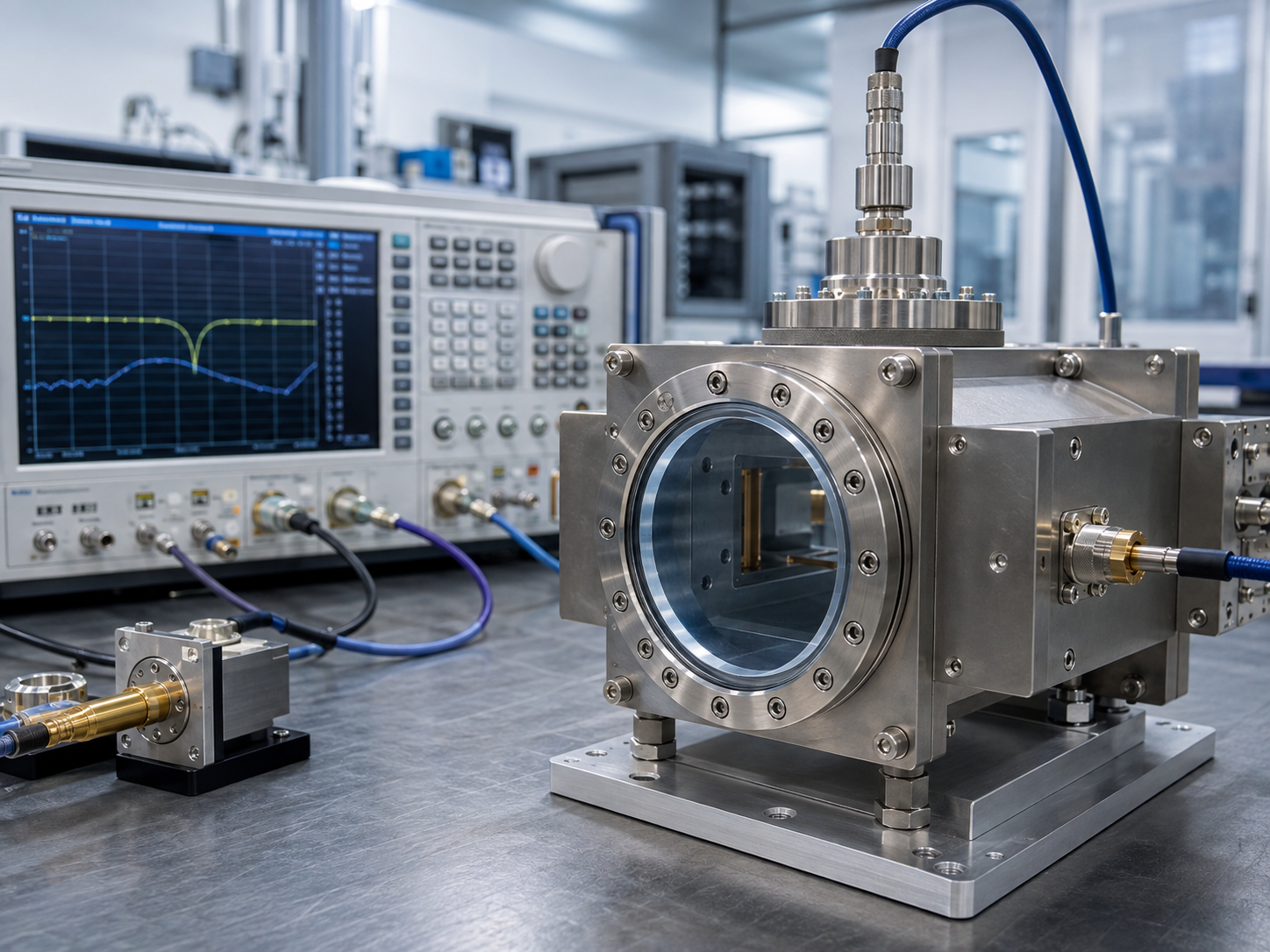
Sapphire Windows for RF and Microwave Systems: Dielectric Constant, Loss Tangent, Frequency, Thickness and Power Handling

Sapphire is widely known as a durable optical window material, but its combination of electrical insulation, low dielectric loss, mechanical strength, thermal stability and vacuum compatibility also makes it useful in selected radio-frequency, microwave and millimeter-wave systems. In these applications, however, a sapphire window cannot be specified only by diameter, thickness and optical surface quality.

產品知識

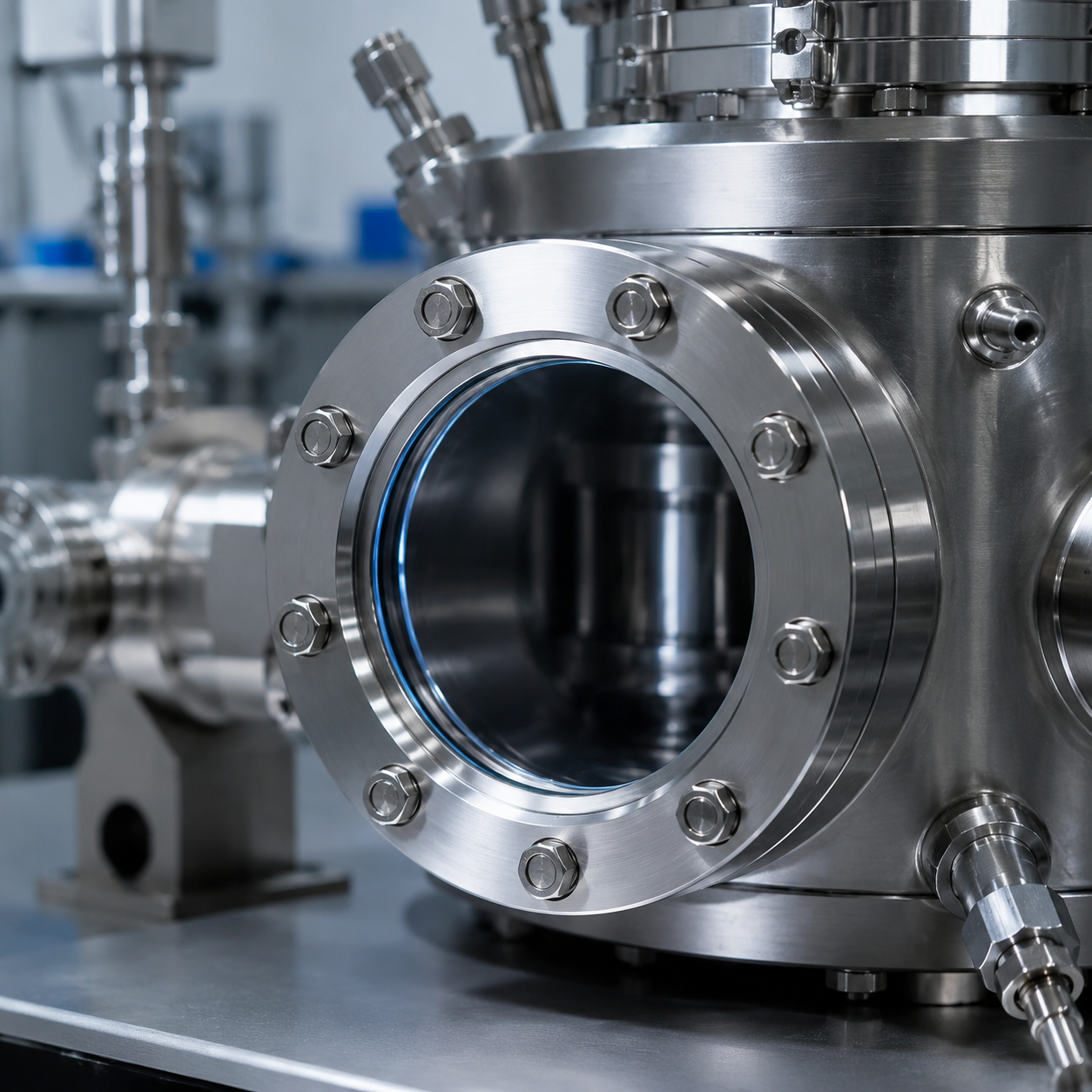
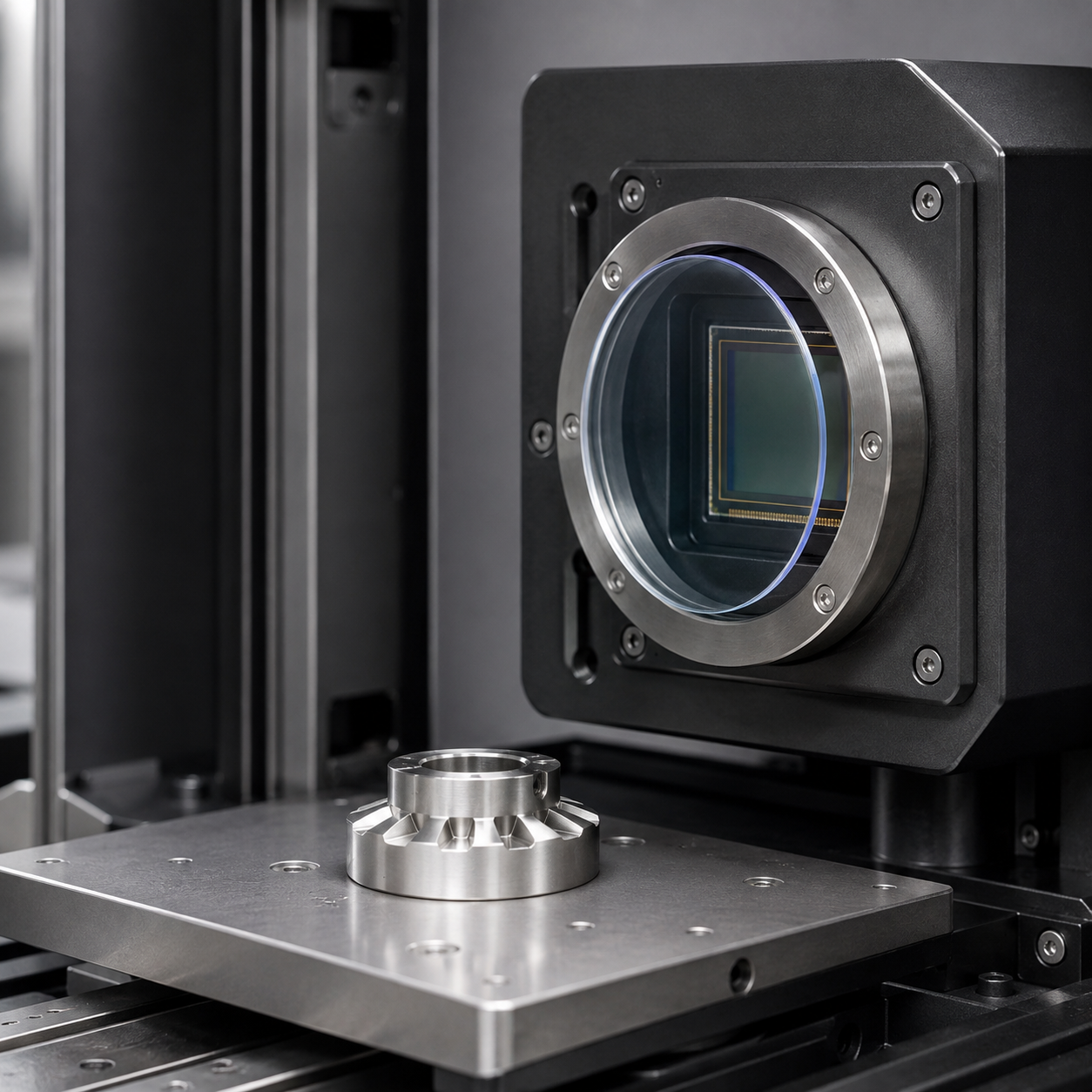
Sapphire Vacuum Viewports: Flange Integration, Leak Tightness, Thermal Cycling and Optical Quality Requirements

Vacuum viewports provide optical access to sealed chambers used in semiconductor manufacturing, scientific research, laser processing, analytical instrumentation, and industrial inspection. Although the window itself may appear simple, its performance depends on the complete assembly: optical substrate, mounting geometry, flange interface, sealing method, and resistance to mechanical and thermal stress. Synthetic sapphire is an attractive

產品知識

EMI-Shielded Sapphire Windows: Conductive Coatings, Optical Transmission, Sheet Resistance and Grounding Design

Electronic and optical systems often require a transparent window that can protect internal components without allowing excessive electromagnetic interference to pass through the enclosure. Synthetic sapphire is well suited to harsh-environment optical windows because it offers excellent hardness, chemical resistance, temperature stability, and optical clarity. However, sapphire itself is an electrical insulator and does not

產業新聞

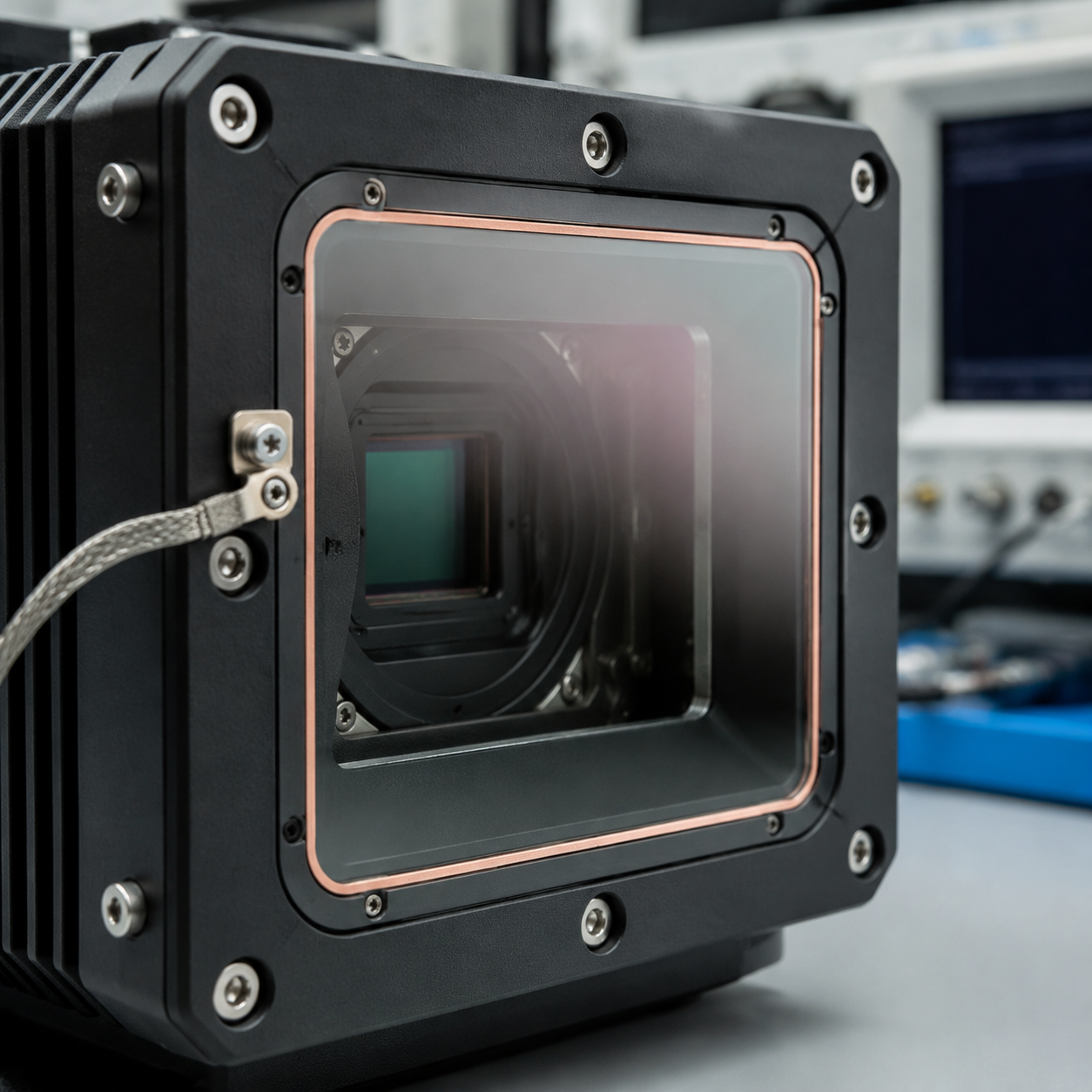
Sapphire Windows for X-Ray Imaging Systems: Transmission, Thickness, Surface Quality and Detector Protection

X-ray imaging systems depend on carefully engineered protective barriers to separate sensitive components from demanding operating environments. These barriers may need to withstand abrasion, chemicals, pressure differences, thermal cycling, cleaning procedures, and accidental contact while maintaining the performance of the imaging system. Synthetic sapphire is an attractive material for some of these applications because it

產業新聞

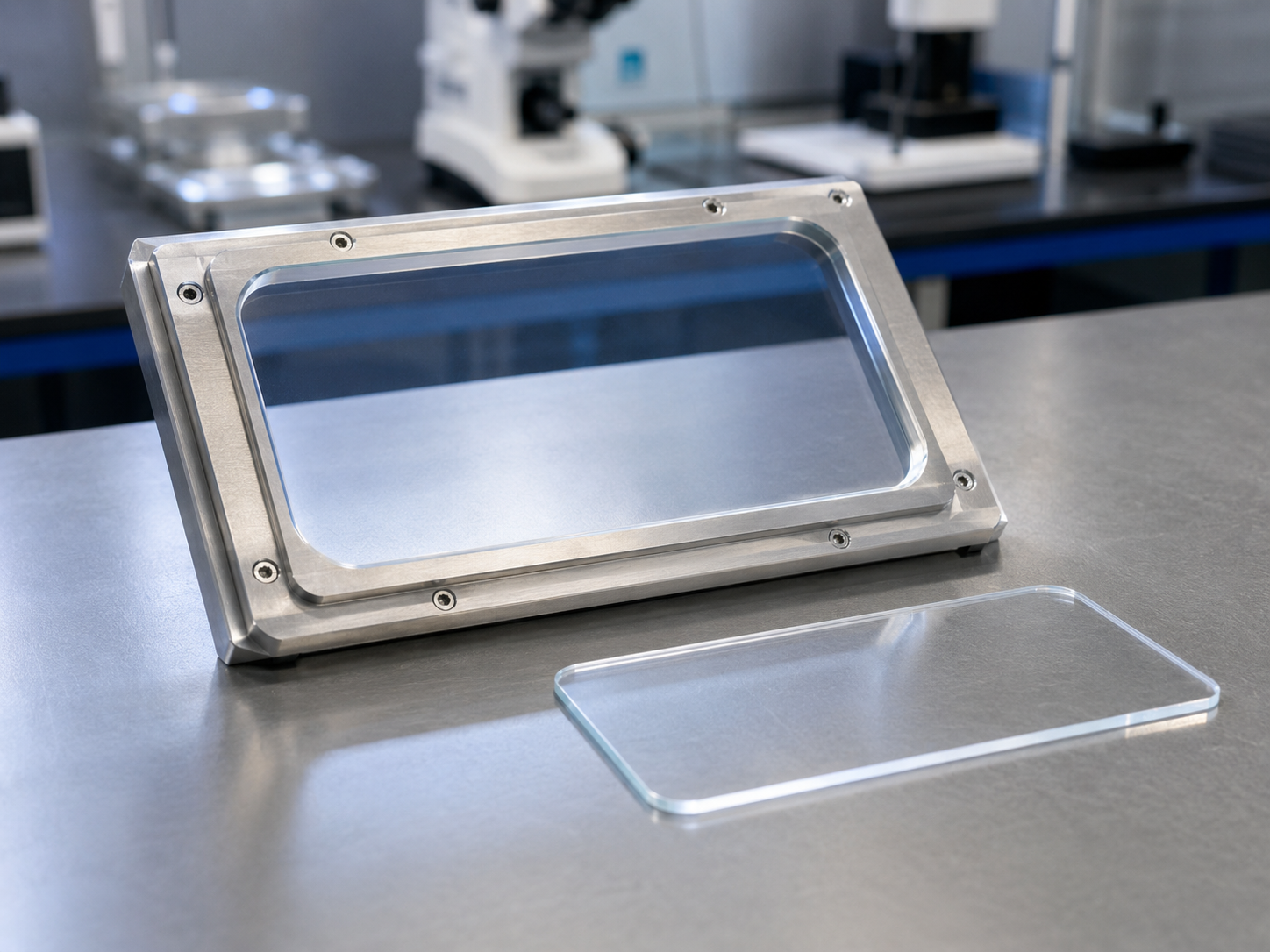
Rectangular Sapphire Windows: Corner Radius, Edge Stress, Flatness and Mounting Design

Rectangular sapphire windows are widely used in optical sensors, industrial inspection systems, semiconductor equipment, laser systems, high-pressure instruments and harsh-environment viewing assemblies. Compared with circular sapphire windows, rectangular windows can make better use of available installation space and provide a larger usable field of view. However, their geometry also creates several additional engineering challenges. The