Author: zmsh

Industrie-Nachrichten

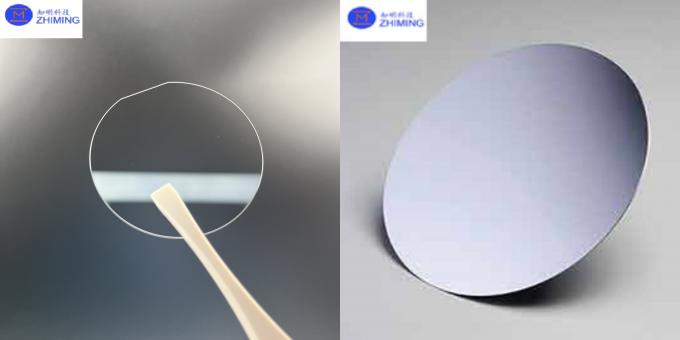
Silizium-Wafer vs. Saphir-Wafer: Ein materialwissenschaftlicher Vergleich für die moderne Elektronik

In advanced electronics and optoelectronic manufacturing, material selection directly determines device performance, reliability, and cost structure. Among the most widely discussed substrate materials are silicon wafers and sapphire substrates. Although both are used in semiconductor-related industries, their roles are fundamentally different. Silicon dominates traditional integrated circuits, while sapphire is increasingly used in optoelectronics, high-frequency devices,
Industrie-Nachrichten

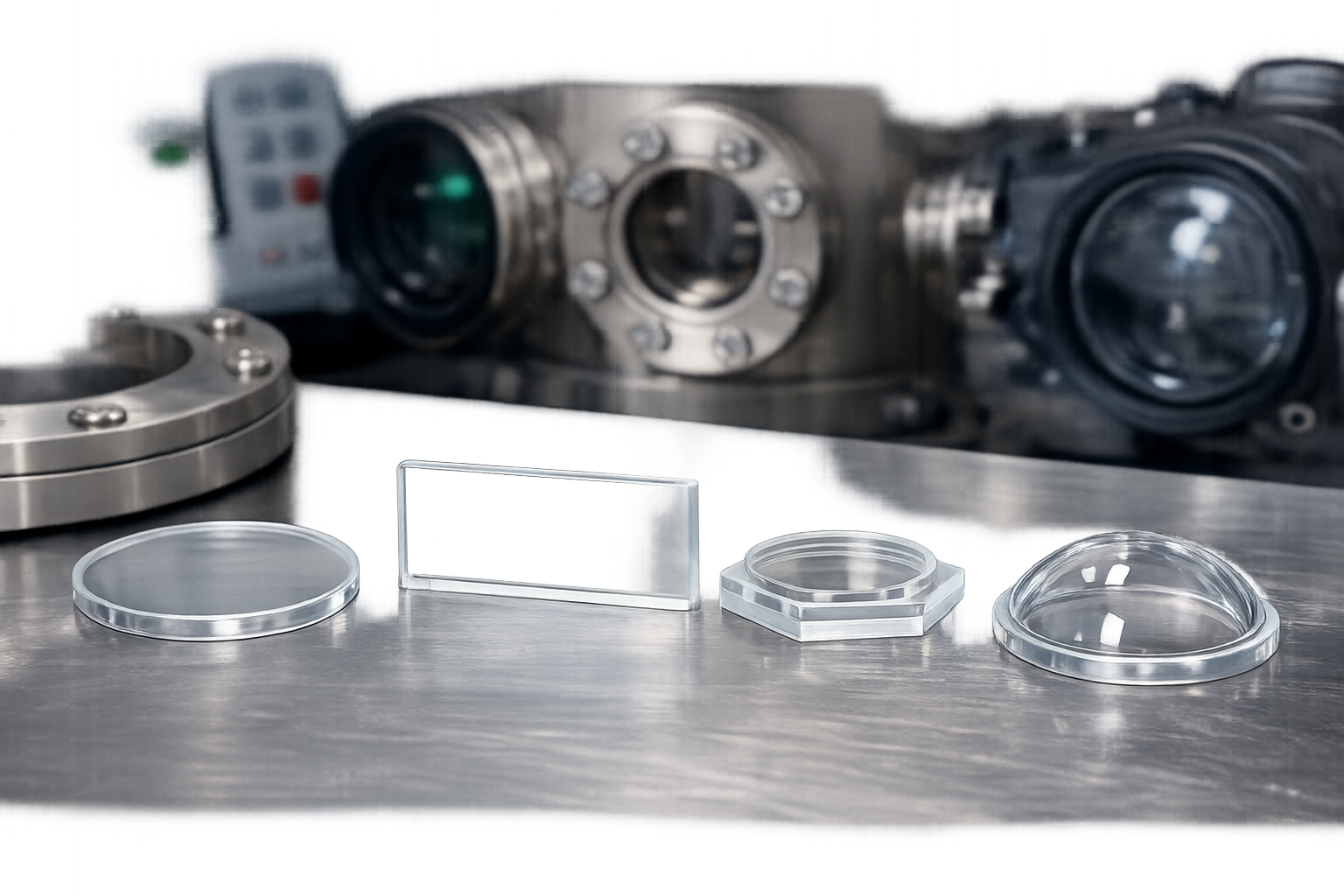
Individuelle Saphir-Fensterformen: Runde, rechteckige, abgestufte und gewölbte Designs

Synthetic sapphire windows have become one of the most reliable optical materials for demanding industrial, aerospace, and scientific environments. Thanks to their exceptional hardness, thermal stability, and chemical resistance, sapphire optical components are widely used where conventional glass fails. Beyond material performance, shape customization plays a critical role in real-world applications. Different optical systems require

Industrie-Nachrichten

Hermetische Abdichtung in Saphirfenstern: Warum sie in rauen Umgebungen wichtig ist

In advanced optical and industrial systems, sapphire windows are widely used because of their exceptional hardness, optical clarity, and resistance to extreme conditions. However, in many real-world applications, the performance of a sapphire window does not depend only on the sapphire material itself—but also on how well it is sealed into its housing. This is

Industrie-Nachrichten

Die 5 anspruchsvollsten Umgebungen, die kratzfeste optische Saphirfenster erfordern

1. Hypersonic Flight and Aerospace Re-Entry Environments In hypersonic aircraft, missiles, and re-entry vehicles, external sensor windows are exposed to extreme aerodynamic heating, plasma formation, and high-velocity particle impact. Conventional optical glass rapidly degrades under these conditions due to thermal softening and surface erosion. Sapphire optical windows maintain structural integrity at high temperatures and resist

Produktwissen

Warum Saphirgläser die traditionellen Gläser in der Optik für hohe Härtegrade ersetzen

1. Introduction In modern optical engineering, especially in extreme environments such as aerospace, underwater exploration, defense systems, and high-speed sensing, traditional optical glass is increasingly being replaced by synthetic sapphire domes. This shift is not simply a material substitution, but a structural upgrade driven by demands for higher hardness, thermal stability, and environmental resistance. Sapphire

Unternehmensnachrichten

Kann Saphirglas das Quarzglas ersetzen? Ein tiefer Blick über Branchen und Anwendungen hinweg

In the fields of industrial optics, semiconductor manufacturing, laser systems, and high-end equipment, engineers and buyers increasingly ask the same question: Can sapphire glass replace quartz glass? This question is becoming more common for practical reasons. While quartz glass has long been valued for its excellent thermal stability and optical performance, some users encounter limitations

Industrie-Nachrichten

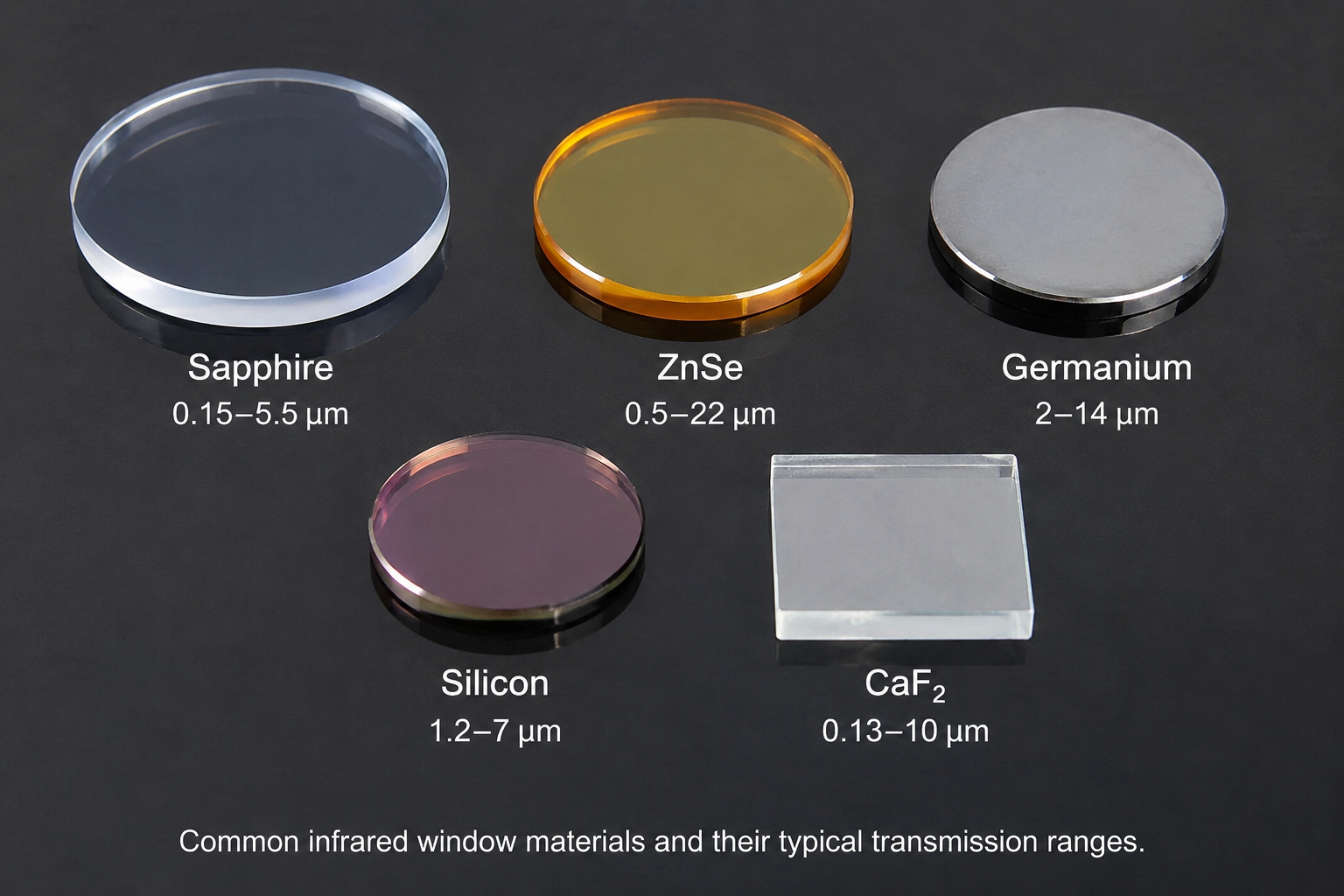
Optische Fenster aus Saphir im Vergleich zu anderen Materialien für Infrarotfenster: Ein wissenschaftlicher Überblick über Leistung und technische Kompromisse

Optical windows are essential components in infrared and laser systems. Their primary function is not only to transmit light but also to provide environmental sealing, mechanical protection, and isolation from harsh operating conditions. In modern applications—including thermal imaging, aerospace systems, laser processing, semiconductor equipment, and defense optics—the choice of window material increasingly depends on a

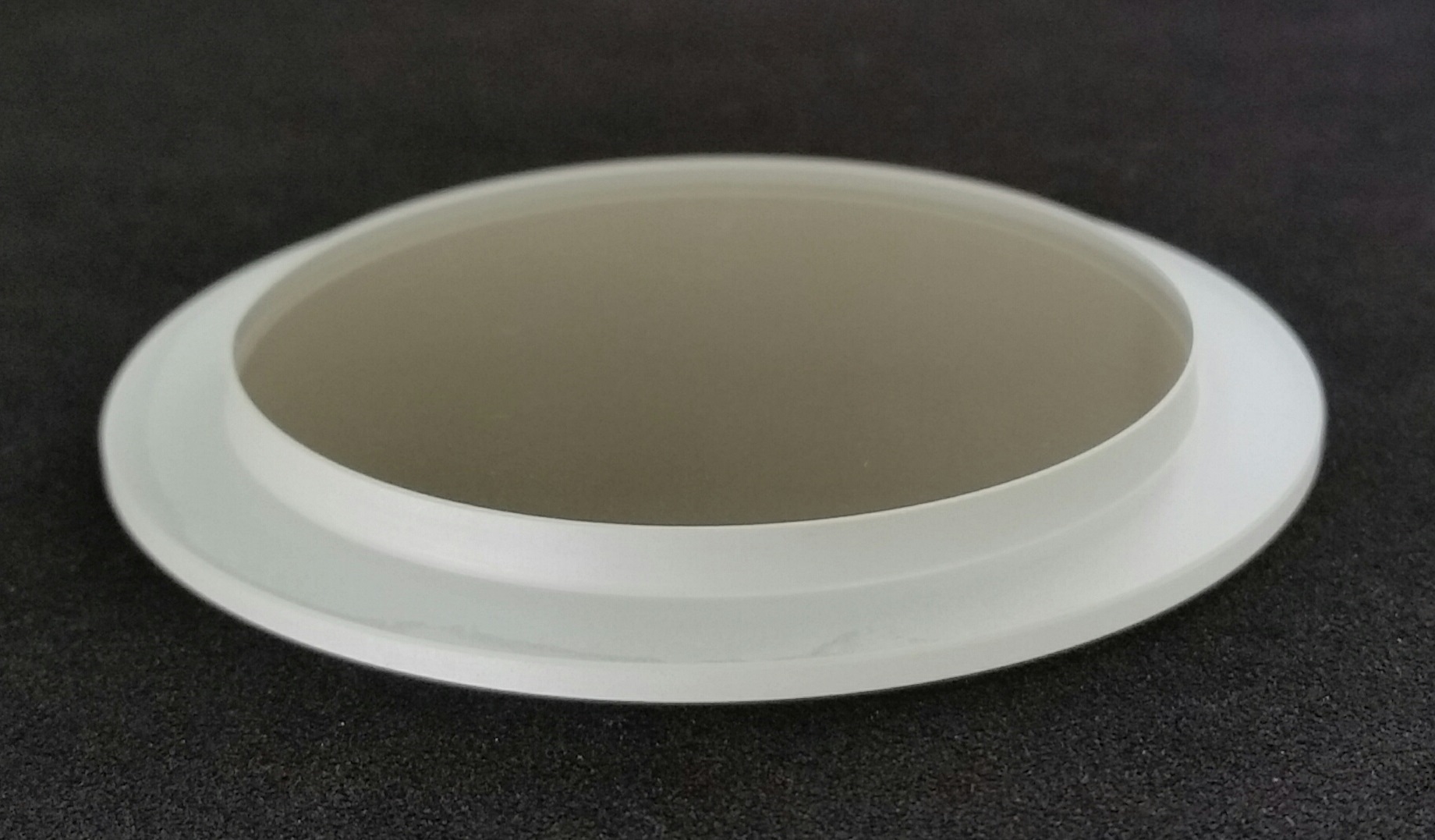
Saphirkuppeln und optische Komponenten: Fertigung und kundenspezifische Lösungen

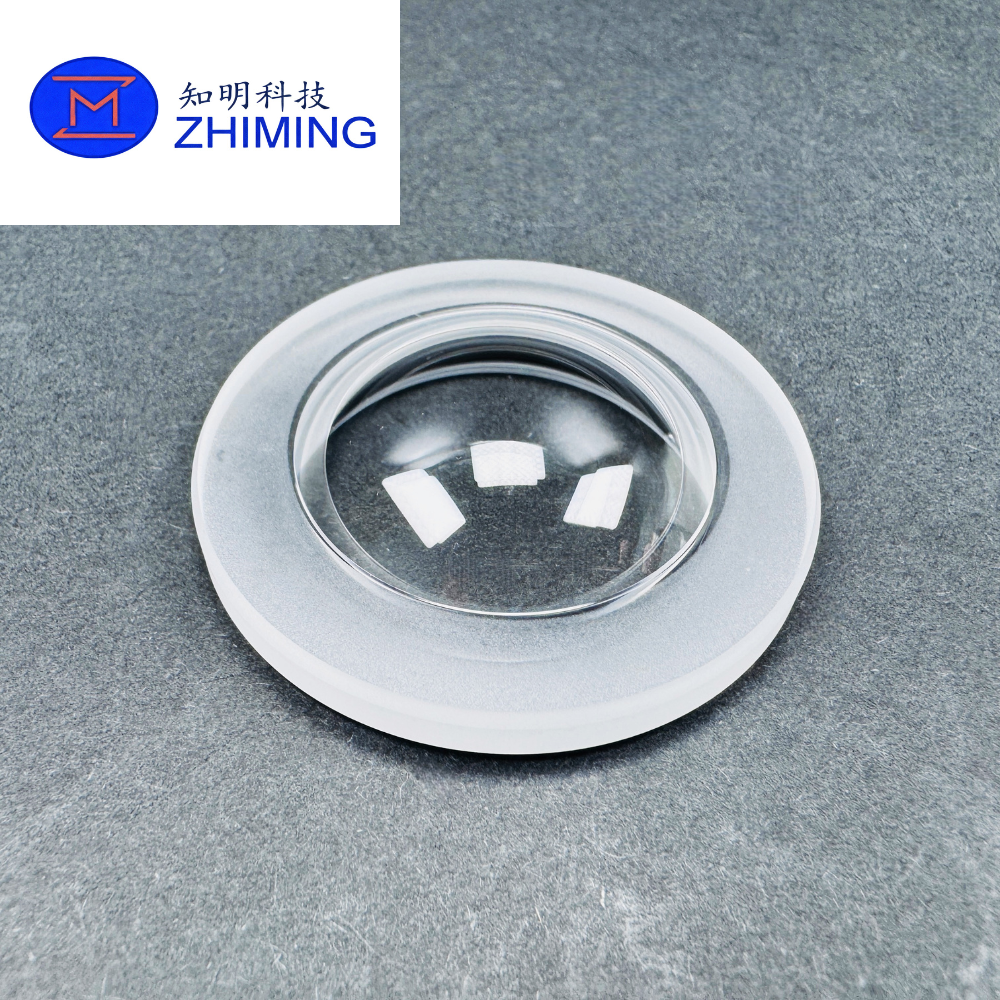
Sapphire domes and optical components are widely used in advanced optical, aerospace, defense, and industrial systems where high durability, excellent optical transmission, and resistance to extreme environments are required. As one of the hardest known transparent materials, synthetic sapphire (single-crystal Al₂O₃) provides a unique combination of mechanical strength, chemical stability, and broad optical transparency ranging

Industrie-Nachrichten

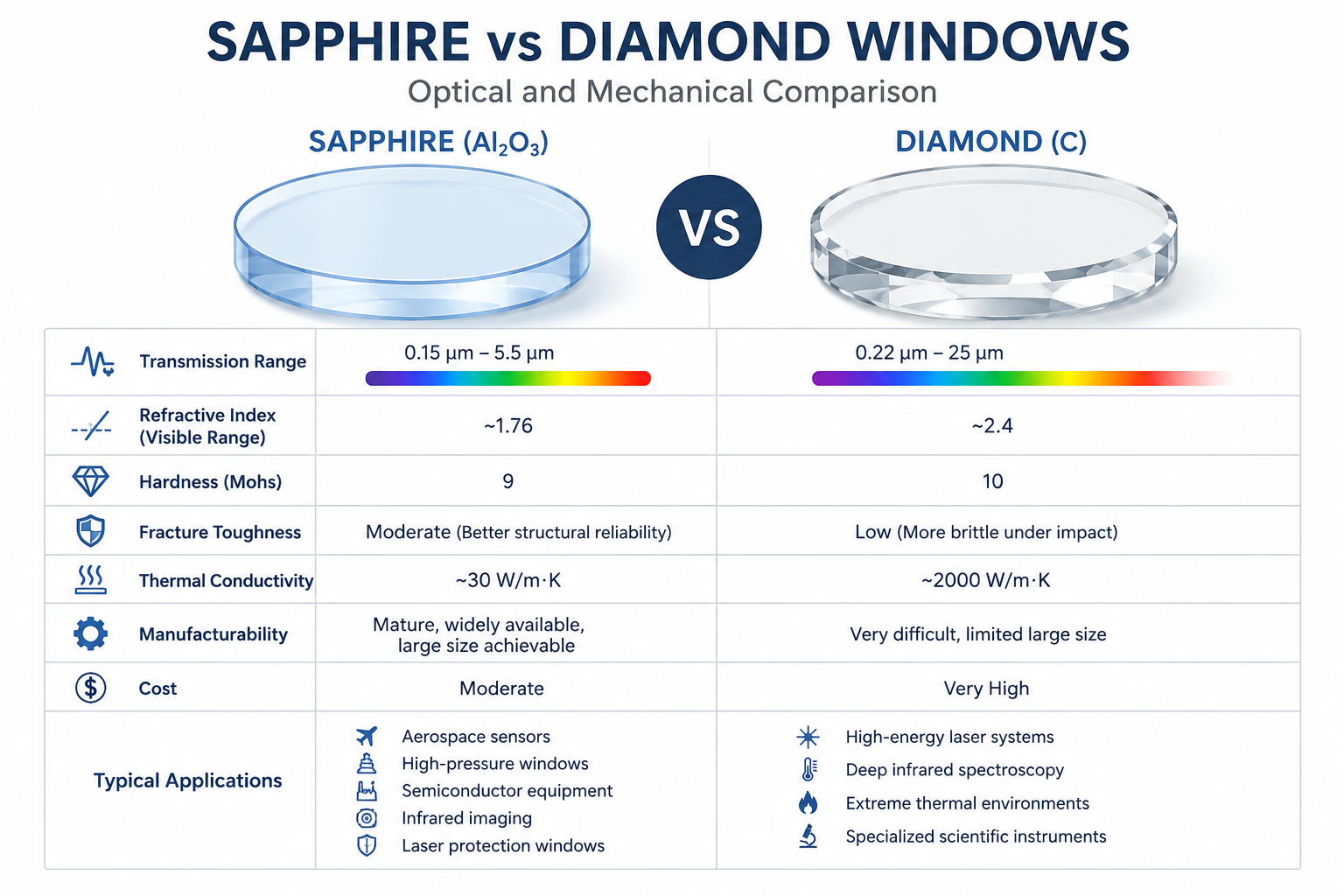
Fenster aus Saphir und Diamant: Optischer und mechanischer Vergleich

Optical windows used in extreme environments—such as aerospace systems, high-pressure chambers, laser equipment, and infrared imaging—must maintain both high optical performance and exceptional mechanical durability. Among advanced materials, sapphire and diamond are often considered the top-tier options. Although both are extremely hard and chemically stable, their optical and mechanical behaviors differ significantly in real-world engineering

Optische Kuppel aus Saphir im Vergleich zum flachen optischen Fenster aus Saphir: Ein technischer Vergleich

1. Introduction Sapphire (single-crystal Al₂O₃) is widely used in advanced optical systems due to its exceptional combination of properties: Because of these properties, sapphire is commonly used in both: However, the optical and mechanical behavior of these two geometries differs significantly, especially under high-pressure, wide-angle, or harsh environmental conditions. 2. Sapphire Flat Optical Window A