Category: Industry News

Industry News

Custom Sapphire Window Design: Shapes, Sizes, and Thickness Options

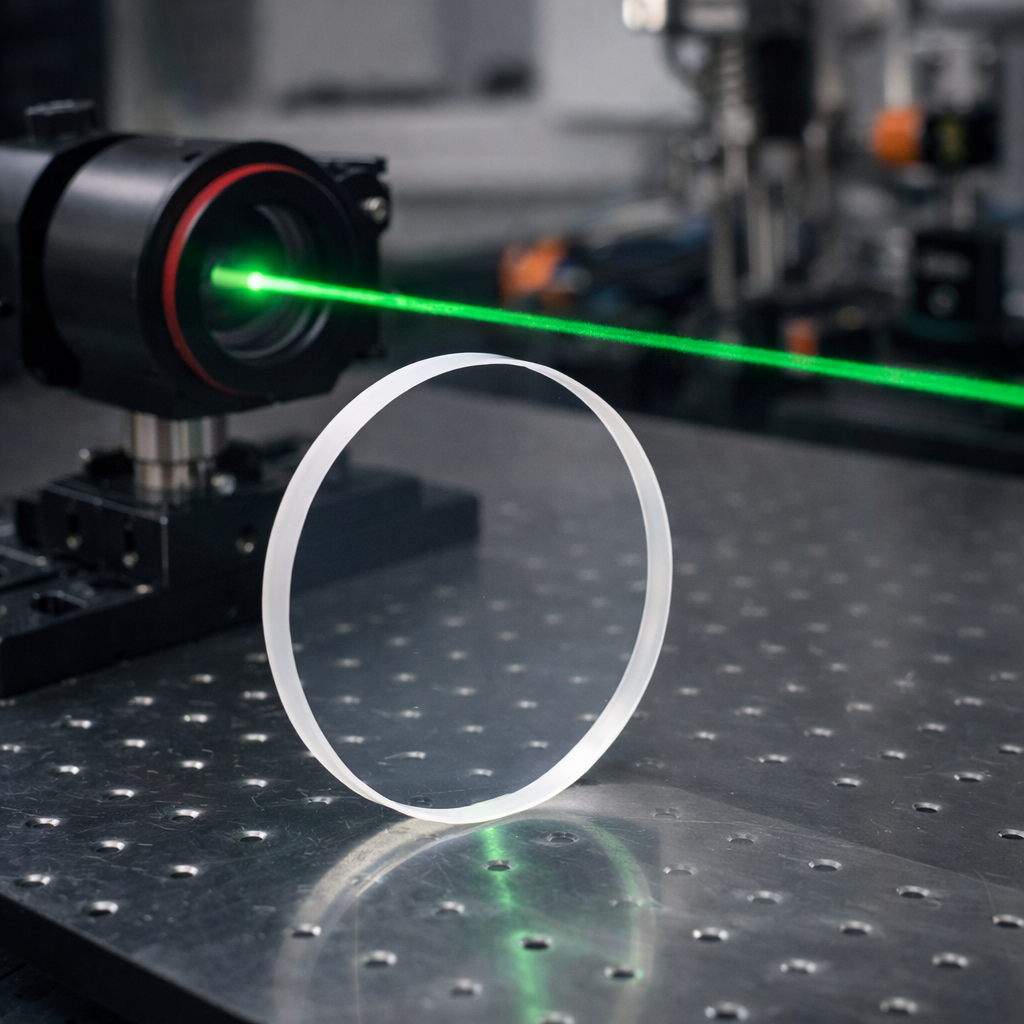
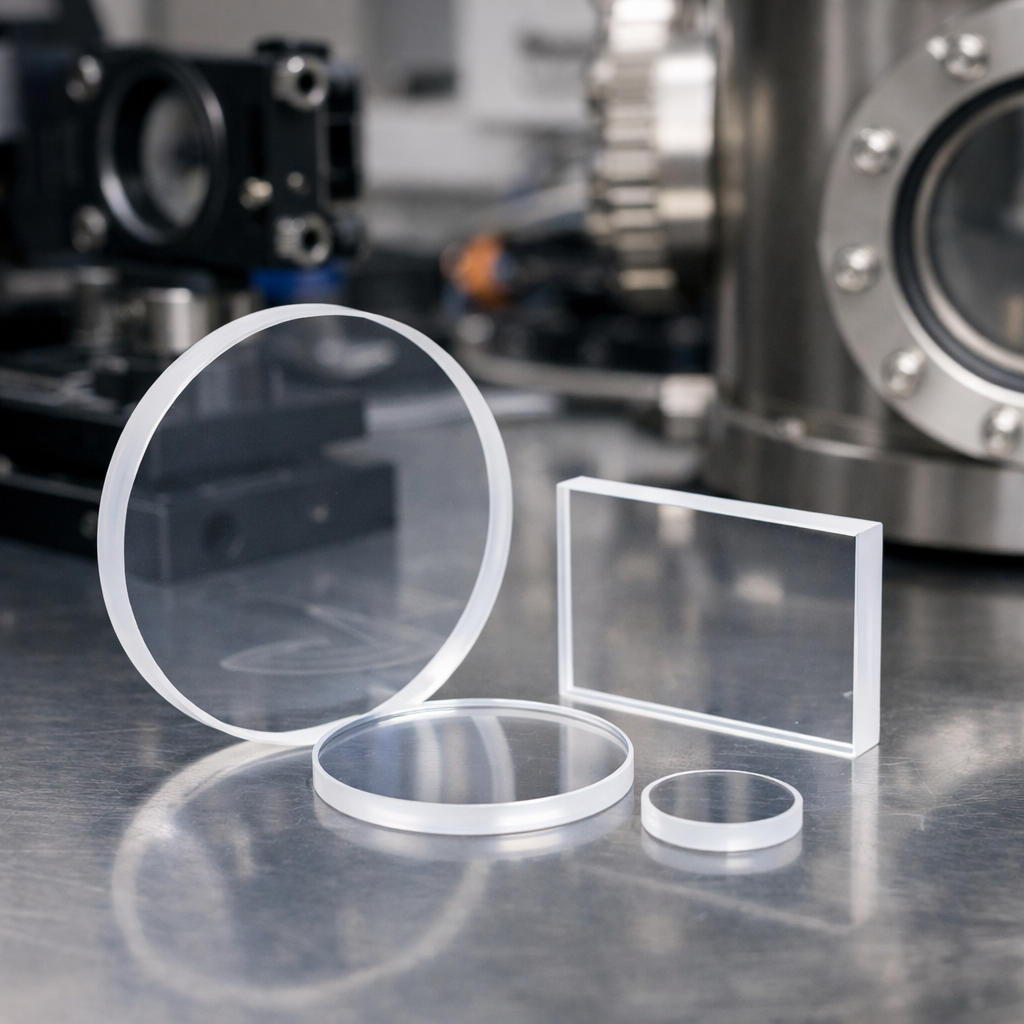
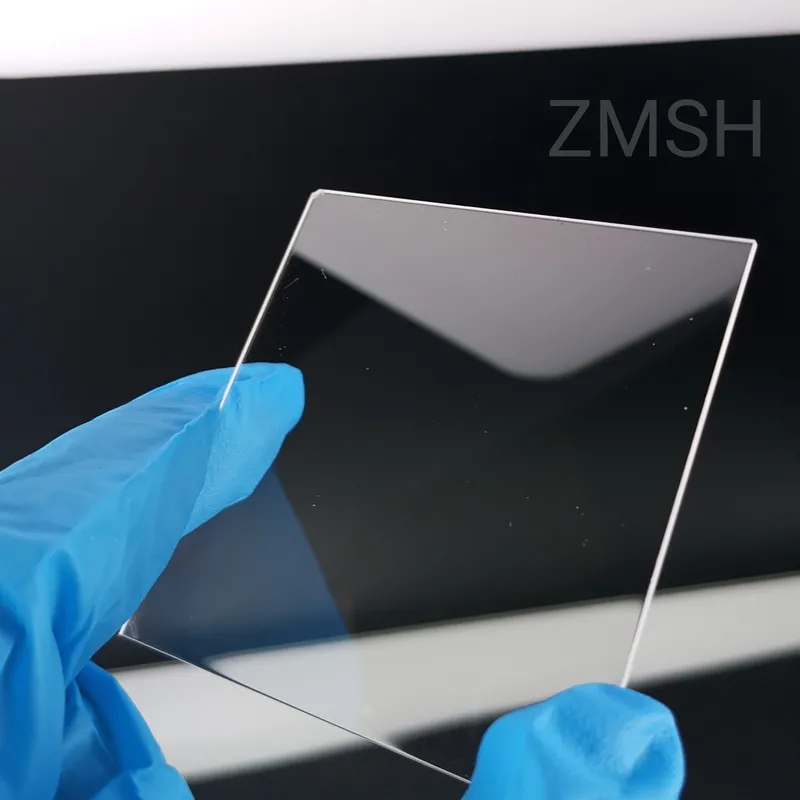
Sapphire windows are widely recognized for their exceptional optical clarity, mechanical strength, thermal stability, and chemical resistance. These properties make them ideal for applications in aerospace, semiconductor manufacturing, high-power laser systems, medical instruments, and harsh industrial environments. While standard sapphire windows are available in common sizes and shapes, many applications demand customized designs tailored to

Industry News

Sapphire Optical Windows: From Laboratory Research to Industrial Applications

Sapphire (Al₂O₃) has emerged as a material of choice for high-precision optical windows due to its extraordinary combination of mechanical, chemical, and optical properties. Historically valued in laboratory research for its exceptional purity and stability, sapphire optical windows are now increasingly adopted in industrial and high-tech applications, bridging the gap between fundamental science and engineering

Industry News

Future Outlook: Development Trends of Sapphire Optical Windows

Sapphire optical windows, made from single-crystal aluminum oxide (Al₂O₃), have become a critical material in high-performance optical systems due to their exceptional hardness, thermal stability, chemical resistance, and broad optical transparency. As industries such as aerospace, defense, semiconductor manufacturing, laser technology, and infrared sensing continue to evolve, the demand for more durable, precise, and multifunctional

Industry News

Application Scenarios of Sapphire Windows in Semiconductor Equipment

As semiconductor manufacturing advances toward higher temperatures, more aggressive chemistries, and tighter process control, the performance requirements for optical access components in fabrication equipment have become increasingly demanding. Single-crystal sapphire (Al₂O₃) has emerged as a critical material for observation windows, viewports, and optical interfaces in process tools due to its exceptional thermal stability, mechanical strength,

Industry News

What Engineers Should Know Before Ordering Custom Sapphire Windows

Abstract Custom sapphire windows are widely used in optical systems operating under extreme thermal, mechanical, and chemical conditions. While sapphire offers outstanding material properties, the performance of a custom sapphire window depends heavily on how accurately system requirements are translated into material, optical, and manufacturing specifications. This article provides an engineering-oriented overview of the key

Industry News

Sapphire Windows for Laser Systems: Thermal and Optical Stability Explained

Abstract Laser systems impose some of the most demanding requirements on optical window materials. High optical power densities, localized heating, rapid thermal cycling, and strict beam quality constraints place laser windows at the intersection of optical physics and materials science. Sapphire windows have emerged as a preferred solution in many laser applications due to their

Industry News

Sapphire Windows for Optics: Material Science, Performance Advantages, and Industrial Applications

Abstract Sapphire windows have become a critical component in modern optical and photonic systems where extreme environmental stability, high optical transmission, and long-term reliability are required. As a single-crystal form of aluminum oxide (Al₂O₃), sapphire combines exceptional mechanical strength with excellent optical transparency across a broad spectral range. This article provides a scientific yet application-oriented

sapphire_optical_windows
Industry News

Cost Drivers for Custom Sapphire Optics: What Affects the Final Price?

Custom sapphire optical components are widely used in high-pressure viewports, harsh-environment sensors, aerospace instrumentation, and laser-based systems where conventional optical glass fails to meet mechanical or thermal requirements. Although sapphire is often regarded as a premium optical material, pricing differences between seemingly similar custom parts can be substantial. This article explains why. Rather than focusing