
Modern minimally invasive surgery relies heavily on high-performance medical endoscopes. These sophisticated optical devices allow physicians to observe internal tissues with exceptional clarity while reducing patient trauma and recovery time.
Among the many components that determine image quality and device reliability, the optical window plays a particularly critical role. Positioned at the distal end of the endoscope, the optical window protects sensitive internal optics from moisture, chemicals, mechanical impacts, and repeated sterilization cycles.
As medical imaging systems continue to advance, sapphire glass has emerged as one of the most widely adopted materials for high-end endoscope optical windows. Its unique combination of optical transparency, mechanical strength, thermal stability, and chemical resistance makes it exceptionally well suited for demanding medical environments.
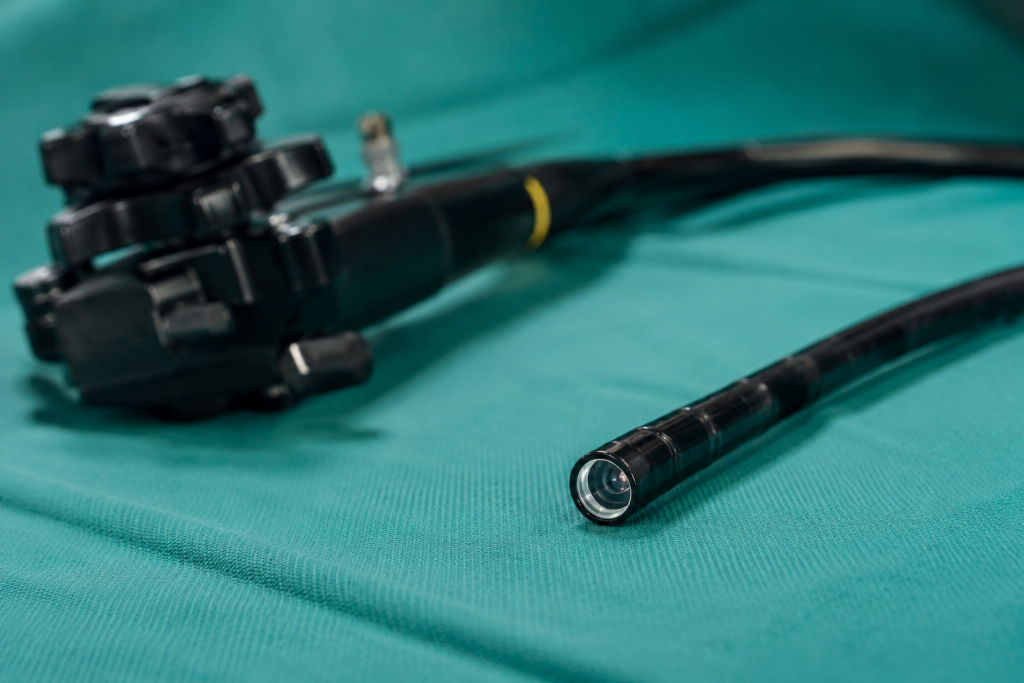
The Role of Optical Windows in Medical Endoscopes
An optical window serves as the protective interface between the external environment and the internal optical system.
Its primary functions include:
- Protecting lenses and sensors from contamination
- Maintaining image quality over time
- Resisting scratches and mechanical damage
- Withstanding repeated sterilization procedures
- Ensuring long-term optical stability
Because every image captured by an endoscope passes through this window, even minor degradation can negatively affect diagnostic accuracy and surgical precision.
Why Material Selection Matters
Medical endoscopes undergo significantly harsher conditions than many conventional optical devices.
During their service life, they may experience:
- Repeated high-temperature sterilization
- Exposure to disinfectants and cleaning agents
- Mechanical impacts during handling
- Contact with biological fluids
- Frequent insertion and removal cycles
Traditional optical glass can suffer from scratching, surface wear, or chemical degradation over time. These issues can reduce image quality and shorten equipment lifespan.
For this reason, manufacturers increasingly turn to sapphire glass for critical optical protection.
What Is Sapphire Glass?
Sapphire glass is manufactured from synthetic single-crystal aluminum oxide (Al₂O₃).
Unlike conventional glass materials, sapphire possesses a highly ordered crystal structure that provides extraordinary physical properties.
Key Characteristics
- 99.9%+ purity aluminum oxide crystal
- Mohs hardness of 9
- High thermal stability
- Excellent optical transmission
- Superior chemical resistance
- Outstanding mechanical durability
Its hardness is second only to diamond among commonly used engineering materials.
Exceptional Scratch Resistance
One of the biggest challenges in medical optical systems is maintaining a flawless viewing surface.
Repeated contact with surgical instruments, cleaning tools, and sterilization equipment can gradually damage conventional glass windows.
Sapphire offers remarkable protection against these effects.
Zalety
- Superior scratch resistance
- Reduced surface wear
- Improved long-term image clarity
- Lower maintenance requirements
Even after years of use, sapphire windows can maintain excellent optical quality with minimal surface degradation.
Optical Clarity Across a Broad Spectral Range
Medical imaging systems demand consistent optical performance.
Sapphire provides excellent transmission from ultraviolet wavelengths through visible light and into portions of the infrared spectrum.
Benefits for Endoscopic Imaging
- High image brightness
- Excellent contrast
- Stabilna wydajność optyczna
- Reduced image distortion
This broad optical transparency helps preserve image quality throughout the operational life of the device.
Resistance to Repeated Sterilization
Medical devices must undergo rigorous sterilization procedures to ensure patient safety.
These processes often involve:
- Steam autoclaving
- High-temperature disinfection
- Chemical sterilization
- Plasma sterilization systems
Many optical materials experience degradation when exposed repeatedly to these environments.
Sapphire’s melting point exceeds 2000°C, allowing it to tolerate extreme sterilization conditions without deformation or loss of optical performance.
This makes sapphire particularly valuable for reusable medical instruments.
Chemical Stability in Medical Environments
Endoscope components are routinely exposed to aggressive cleaning and disinfecting agents.
Sapphire exhibits exceptional chemical inertness and is resistant to:
- Alcohol-based disinfectants
- Peroxide solutions
- Most acids
- Most alkalis
- Medical cleaning chemicals
As a result, sapphire windows remain stable even after hundreds of sterilization and cleaning cycles.
Mechanical Strength and Long-Term Reliability
Medical endoscopes are precision instruments that must maintain structural integrity throughout years of clinical use.
Sapphire contributes to device reliability through:
High Compressive Strength
The material can withstand substantial mechanical stress without cracking.
Excellent Wear Resistance
Continuous handling and repeated use produce minimal surface damage.
Dimensional Stability
Sapphire maintains its shape and optical alignment under changing temperatures and environmental conditions.
These characteristics help preserve image quality and system performance throughout the product lifecycle.
Supporting Consistent Imaging Performance
High-quality medical imaging depends on maintaining stable optical parameters over time.
A sapphire optical window helps protect critical performance characteristics such as:
- Resolution
- Field of view
- Image contrast
- Illumination uniformity
By preventing scratches, contamination, and environmental damage, sapphire contributes directly to long-term imaging consistency.
Beyond Medical Endoscopes
The advantages that make sapphire ideal for medical optics have also led to its adoption in other demanding applications, including:
- Surgical imaging systems
- Czujniki optyczne
- Laser equipment
- Aerospace optics
- Systemy kontroli półprzewodników
- Przemysłowe systemy wizyjne
Its combination of optical and mechanical performance continues to drive adoption across advanced technology sectors.
Wnioski
The optical window is one of the most critical components in any medical endoscope. Its ability to protect internal optics while maintaining long-term image quality directly impacts clinical performance and patient safety.
Among available optical materials, sapphire glass stands out for its exceptional hardness, scratch resistance, thermal stability, chemical durability, and optical transparency.
As medical imaging systems continue to evolve toward higher resolution and longer service life, sapphire optical windows are expected to play an increasingly important role in next-generation endoscopic technologies.