
1. Wprowadzenie
W wysokowydajnych systemach optycznych, przemysłowych i naukowych wybór materiału na okna optyczne bezpośrednio determinuje niezawodność systemu, stabilność termiczną i żywotność.
Wśród powszechnie stosowanych materiałów, szafir (monokryształ Al₂O₃) oraz topiony kwarc (SiO₂) to dwie najczęściej wybierane opcje.
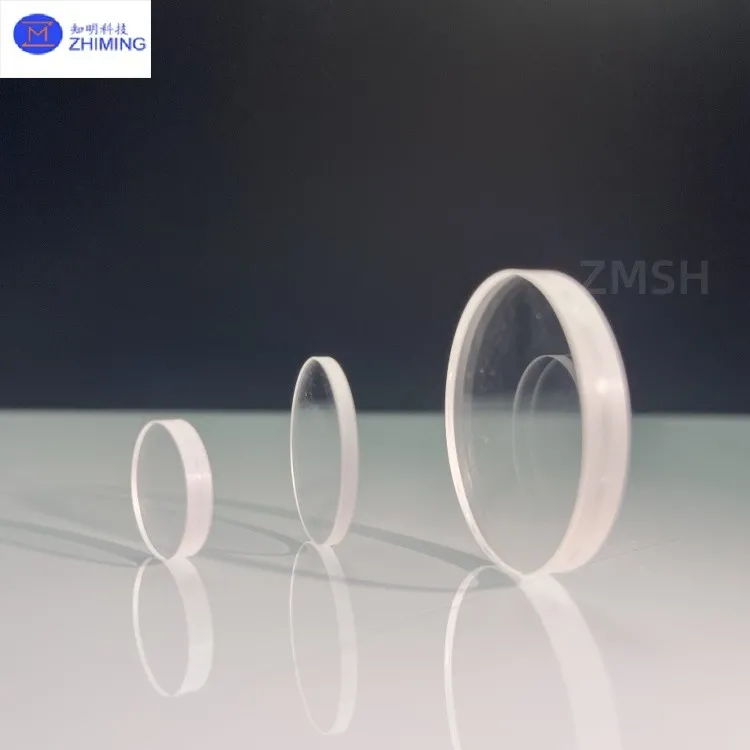
Chociaż oba te materiały są uważane za wysokiej jakości materiały optyczne, różnią się one znacznie pod względem parametrów:
- Wytrzymałość mechaniczna
- Wydajność cieplna
- Odporność chemiczna
- Próg uszkodzeń laserowych
- Elastyczność produkcji
- Struktura kosztów
Niniejszy przewodnik zawiera Porównanie inżynierii opartej na danych aby pomóc projektantom systemów i inżynierom zaopatrzenia wybrać odpowiedni materiał do wymagających zastosowań, takich jak lasery, lotnictwo, przetwarzanie półprzewodników i wysokociśnieniowe systemy obserwacyjne.
2. Przegląd materiałów
Szafir (monokrystaliczny tlenek glinu)
Szafir jest materiałem monokrystalicznym o heksagonalnej strukturze krystalicznej, oferującym niezwykle wysoką twardość i wytrzymałość mechaniczną. Jest szeroko stosowany w ekstremalne środowiska, w których awaria mechaniczna jest niedopuszczalna.
Typowe zastosowania:
- Systemy laserowe dużej mocy
- Czujniki lotnicze i kosmiczne
- Wysokociśnieniowe rzutnie
- Komory do procesów półprzewodnikowych
- Obronne systemy optyczne
Kwarc topiony (amorficzny SiO₂)
Kwarc to amorficzny dwutlenek krzemu o doskonałej przepuszczalności optycznej w zakresie UV i widzialnym. Jest szeroko stosowany w środowiska optyczne o niskim i średnim obciążeniu.
Typowe zastosowania:
- Optyka UV
- Przyrządy laboratoryjne
- Niskociśnieniowe systemy optyczne
- Elementy litografii półprzewodnikowej
- Okna obserwacji chemicznej
3. Porównanie kluczowych właściwości technicznych
3.1 Wytrzymałość mechaniczna
| Własność | Szafir | Kwarc stapiany |
|---|---|---|
| Twardość w skali Mohsa | 9 | 5.5-6.5 |
| Twardość Vickersa | ~2200 HV | ~550 HV |
| Odporność na złamania | Bardzo wysoka | Umiarkowany |
| Odporność na uderzenia | Doskonały | Ograniczony |
Engineering Insight:
Szafir jest w przybliżeniu 4× twardszy niż kwarc, dzięki czemu jest znacznie bardziej odporny na zarysowania, ścieranie i erozję cząstek.
3.2 Wydajność cieplna
| Własność | Szafir | Kwarc stapiany |
|---|---|---|
| Maksymalna temperatura pracy | ~2000°C (krótkotrwale) | ~1100°C |
| Przewodność cieplna | Wysoki (~25-35 W/m-K) | Niski (~1,4 W/m-K) |
| Odporność na szok termiczny | Doskonały | Dobry |
Engineering Insight:
Wysoka przewodność cieplna szafiru sprawia, że idealnie nadaje się on do lasery dużej mocy i środowiska plazmowe, gdzie rozpraszanie ciepła ma krytyczne znaczenie.
Kwarc, choć stabilny termicznie, ma tendencję do gromadzenia lokalnego ciepła.
3.3 Zakres transmisji optycznej
| Zakres długości fal | Szafir | Kwarc stapiany |
|---|---|---|
| Transmisja promieniowania UV | ~150 nm | ~180 nm |
| Widoczny | Doskonały | Doskonały |
| Odcięcie podczerwieni | ~5,5 µm | ~3,5-4,5 µm |
Engineering Insight:
- Kwarc działa lepiej w zastosowaniach z głębokim promieniowaniem UV
- Sapphire znacznie rozszerza się na Zakres średniej podczerwieni (IR), dzięki czemu jest bardziej odpowiedni dla systemów wielospektralnych
3.4 Odporność chemiczna
| Środowisko | Szafir | Kwarc stapiany |
|---|---|---|
| Silne kwasy | Doskonały | Doskonały |
| Silne zasady | Doskonały | Umiarkowane ryzyko degradacji |
| Ekspozycja na osocze | Doskonały | Umiarkowany |
Engineering Insight:
Szafir oferuje doskonałą stabilność w trawieniu plazmowym i środowiskach półprzewodnikowych, zwłaszcza w powtarzających się cyklach procesowych.
3.5 Próg uszkodzeń laserowych
| Parametr | Szafir | Kwarc stapiany |
|---|---|---|
| Próg uszkodzeń | Bardzo wysoka | Wysoki |
| Przydatność laserów dużej mocy | Doskonały | Dobry |
| Efekt soczewki termicznej | Niski | Umiarkowany |
Engineering Insight:
Szafir jest preferowany w systemy laserowe wysokiej mocy z falą ciągłą (CW), gdzie należy zminimalizować zniekształcenia termiczne.
3.6 Produkcja i koszty
| Czynnik | Szafir | Kwarc stapiany |
|---|---|---|
| Koszt surowców | Wysoki | Niski |
| Trudność obróbki | Bardzo wysoka | Umiarkowany |
| Wykonalność niestandardowej geometrii | Wysoki (ale kosztowny) | Wysoki |
| Czas realizacji | Dłuższy | Krótszy |
Engineering Insight:
Kwarc jest bardziej opłacalny dla standardowych systemów optycznych, podczas gdy szafir jest wybierany, gdy koszt awarii jest wyższy niż koszt materiału.
4. Przewodnik wyboru na podstawie aplikacji
Wybierz Sapphire Windows, gdy:
- Działające w środowiska wysokociśnieniowe lub ścierne
- System obejmuje lasery dużej mocy
- Obciążenie termiczne jest znaczące
- Awaria mechaniczna jest niedopuszczalna
- Wymagana jest długa żywotność
Typowe branże:
- Przemysł obronny i lotniczy
- Sprzęt półprzewodnikowy
- Eksploracja głębin morskich
- Przemysłowa obróbka laserowa
Wybierz Quartz Windows, gdy:
- Transmisja promieniowania UV ma kluczowe znaczenie
- System działa pod umiarkowanym obciążeniem
- Efektywność kosztowa jest ważna
- Aplikacje o niskim obciążeniu termicznym
Typowe branże:
- Przyrządy laboratoryjne
- Systemy litografii UV
- Sprzęt analityczny
- Ogólne systemy optyczne
5. Analiza trybu awarii
Tryby awarii Sapphire:
- Katastrofalne pęknięcie przy ekstremalnym przeciążeniu mechanicznym (rzadko)
- Wykruszanie krawędzi podczas niewłaściwej obróbki
Tryby awarii kwarcu:
- Pękanie pod wpływem naprężeń termicznych
- Dewitryfikacja powierzchni w ekstremalnych środowiskach
- Zużycie ścierne w czasie
Kluczowe informacje:
Sapphire zazwyczaj zawodzi gwałtownie, ale rzadko, podczas gdy kwarc ulega stopniowemu zniszczeniu pod wpływem długotrwałego obciążenia.
6. Całkowity koszt posiadania (TCO)
Chociaż szafir ma wyższy koszt początkowy, analiza inżynieryjna pokazuje:
- Niższa częstotliwość wymiany
- Wyższy czas sprawności systemu
- Zmniejszone ryzyko związane z konserwacją
W systemach o wysokiej wartości, szafir często zapewnia niższy koszt cyklu życia niż kwarc, pomimo wyższej inwestycji początkowej.
7. Podsumowanie zaleceń inżynieryjnych
| Przypadek użycia | Zalecany materiał |
|---|---|
| Optyka laserowa dużej mocy | Szafir |
| Okna półprzewodnikowej komory plazmowej | Szafir |
| Instrumenty analityczne UV | Kwarc |
| Systemy optyczne wrażliwe na koszty | Kwarc |
| Środowiska wysokociśnieniowe / ścierne | Szafir |
8. Wnioski
Szafir i kwarc są podstawowymi materiałami optycznymi, ale pełnią zasadniczo różne funkcje inżynieryjne.
- Kwarc Doskonale sprawdza się w ekonomicznych zastosowaniach UV i ogólnych zastosowaniach optycznych
- Szafir dominuje w ekstremalnych środowiskach mechanicznych, termicznych i wysokoenergetycznych
W nowoczesnych zaawansowanych systemach - zwłaszcza w technologii laserowej, przetwarzaniu półprzewodników i optyce lotniczej - okna szafirowe stają się coraz częściej preferowanym rozwiązaniem inżynieryjnym, gdy niezawodność działania przewyższa koszt materiału.
9. Wsparcie inżynieryjne i dostosowywanie
Dla niestandardowych specyfikacji, w tym:
- Tolerancja średnicy i grubości (poziom ±0,01 mm)
- Powłoki optyczne AR/HR
- Polerowanie i fazowanie krawędzi
- Wysokociśnieniowa technika okienna
Rysunki techniczne i wymagania dotyczące aplikacji można przesłać do oceny.
👉 Niestandardowe szafirowe rozwiązania okienne są zazwyczaj dostosowywane w oparciu o ciśnienie w układzie, zakres długości fali i warunki obciążenia termicznego.