
W zaawansowanych systemach optycznych i przemysłowych, szafirowe okna są szeroko stosowane ze względu na ich wyjątkową twardość, przejrzystość optyczną i odporność na ekstremalne warunki. Jednak w wielu rzeczywistych zastosowaniach wydajność szafirowego okna nie zależy tylko od samego materiału szafirowego, ale także od tego, jak dobrze jest on wykonany. uszczelniony w obudowie.
To tutaj hermetyczne uszczelnienie staje się krytyczny.
W trudnych warunkach, takich jak przemysł lotniczy, przetwarzanie półprzewodników, systemy obronne i oprzyrządowanie wysokociśnieniowe, hermetyczne uszczelnienie zapewnia, że szafirowe okna zachowują długoterminową stabilność, niezawodność i wydajność.
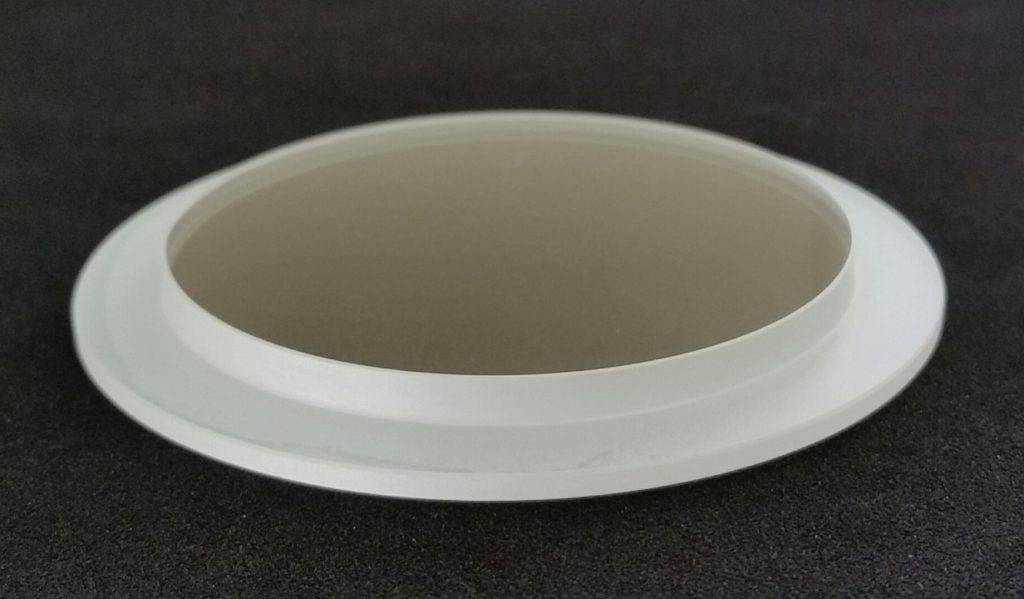
Co to jest szafirowe okno?
Szafirowe okno to element optyczny wykonany z monokrystalicznego tlenku glinu (Al₂O₃). Służy do przepuszczania światła, jednocześnie chroniąc wewnętrzne systemy przed środowiskiem zewnętrznym.
Kluczowe właściwości obejmują:
- Wyjątkowo wysoka twardość (9 w skali Mohsa)
- Doskonała transmisja optyczna (zakres od UV do IR)
- Odporność na wysokie temperatury
- Wysoka odporność na korozję chemiczną
- Tolerancja na wysokie ciśnienie
Ze względu na te właściwości, okna szafirowe są powszechnie stosowane:
- Czujniki lotnicze i kosmiczne
- Wysokociśnieniowe systemy obserwacyjne
- Sprzęt półprzewodnikowy
- Optyka obronna i optyka podczerwieni
- Przemysłowe systemy laserowe
Co to jest uszczelnienie hermetyczne?
Hermetyczne uszczelnienie odnosi się do całkowicie hermetycznej i gazoszczelnej metody uszczelniania, która zapobiega:
- Wyciek gazu
- Wnikanie wilgoci
- Penetracja zanieczyszczeń
- Nierównowaga ciśnienia
W szafirowych zespołach okiennych hermetyczne uszczelnienie zazwyczaj obejmuje:
- Łączenie metalu z ceramiką
- Uszczelnienie szkło-metal
- Aktywne techniki lutowania
- Precyzyjne uszczelki (w niektórych wersjach)
Cel jest prosty: stworzyć trwale uszczelnioną barierę optyczną między dwoma środowiskami.
Dlaczego hermetyczne uszczelnienie ma kluczowe znaczenie dla okien Sapphire?
Szafir sam w sobie jest niezwykle wytrzymały, ale bez odpowiedniego uszczelnienia nadal może dojść do awarii systemu.
1. Ochrona przed wilgocią i korozją
W środowiskach wilgotnych lub agresywnych chemicznie:
- Wilgoć może dostać się do systemu
- Komponenty wewnętrzne mogą korodować
- Powierzchnie optyczne mogą z czasem ulegać degradacji
Hermetyczne uszczelnienie eliminuje wnikanie czynników środowiskowych, zapewniając długoterminową stabilność.
2. Stabilność w systemach wysokociśnieniowych
W aplikacjach takich jak:
- Sprzęt podwodny
- Zbiorniki ciśnieniowe
- Systemy monitorowania gazu
Różnice ciśnień wewnątrz i na zewnątrz mogą uszkodzić nieuszczelnione zespoły.
Hermetyczne uszczelnienie zapewnia:
- Integralność strukturalna
- Opór wyrównywania ciśnienia
- Długotrwała stabilność mechaniczna
3. Odporność na cykliczne zmiany temperatury
Trudne warunki często wiążą się z powtarzającymi się zmianami temperatury.
Bez hermetycznego uszczelnienia:
- Mogą pojawić się mikroprzecieki
- Niedopasowanie rozszerzalności cieplnej może powodować naprężenia
- Wyrównanie optyczne może zmieniać się w czasie
Odpowiednia konstrukcja uszczelnienia pomaga utrzymać stabilność pod:
- Szybkie nagrzewanie
- Warunki kriogeniczne
- Ciągły cykl termiczny
4. Kontrola zanieczyszczeń w systemach wrażliwych
W systemach półprzewodnikowych, optycznych i lotniczych nawet mikroskopijne zanieczyszczenie może spowodować awarię.
Hermetyczne uszczelnienie zapobiega:
- Cząsteczki pyłu
- Zanieczyszczenia odgazowujące
- Opary chemiczne
- Wnikanie pozostałości procesu
Jest to szczególnie ważne w środowiskach próżniowych i pomieszczeniach czystych.
5. Długoterminowa stabilność wydajności optycznej
Często oczekuje się, że okna szafirowe będą działać przez lata bez konserwacji.
Hermetyczne uszczelnienie zapewnia:
- Brak wewnętrznego zaparowania
- Brak degradacji interfejsu
- Stabilna transmisja optyczna
- Stała wydajność refrakcyjna
Typowe metody hermetycznego uszczelniania okien szafirowych
Uszczelnienie metal-ceramika
- Wykorzystuje stopy dopasowane do rozszerzalności szafiru
- Zapewnia silne wiązanie mechaniczne
- Powszechne w systemach lotniczych i obronnych
Aktywne lutowanie
- Wykorzystuje reaktywne metale wypełniające (np. stopy na bazie Ti)
- Tworzy wiązania chemiczne z powierzchnią szafiru
- Wysoka niezawodność w ekstremalnych warunkach
Uszczelki szkło-metal (w konstrukcjach hybrydowych)
- Łączy izolację optyczną ze wsparciem mechanicznym
- Często stosowane w obudowach czujników
Wyzwania związane z hermetycznym uszczelnianiem szafiru
Pomimo swoich zalet, uszczelnianie szafiru jest technicznie trudne ze względu na:
- Niedopasowanie rozszerzalności cieplnej do metali
- Kruchość materiału ceramicznego
- Wymagania dotyczące wysokiej precyzji osiowania
- Ograniczenia związane z przetwarzaniem w wysokiej temperaturze
Dlatego też wysokiej jakości szafirowe okienka wymagają zaawansowanej wiedzy produkcyjnej.
Zastosowania, w których hermetyczne uszczelnienie jest niezbędne
Hermetycznie zamknięte okna szafirowe są szeroko stosowane w:
- Czujniki optyczne dla przemysłu lotniczego
- Wysokociśnieniowe porty podglądu
- Półprzewodnikowe komory plazmowe
- Wojskowe systemy obrazowania w podczerwieni
- Sprzęt do obserwacji głębokiego morza
- Systemy laserowe dużej mocy
We wszystkich tych przypadkach awaria systemu spowodowana wyciekiem jest niedopuszczalna.
Przemyślenia końcowe
Szafirowe okna już teraz zapewniają wyjątkową wydajność optyczną i mechaniczną. Jednak bez hermetyczne uszczelnienie, Nawet najlepszy szafirowy komponent może zawieść w trudnych warunkach rzeczywistych.
Odpowiednio zaprojektowane hermetyczne uszczelnienie zapewnia:
- Długoterminowa niezawodność
- Izolacja środowiskowa
- Odporność na ciśnienie
- Stabilna wydajność optyczna
W zaawansowanych zastosowaniach przemysłowych i naukowych hermetyczne uszczelnienie nie jest tylko ulepszeniem - jest wymogiem.
FAQ
Dlaczego hermetyczne uszczelnienie jest ważne w przypadku okien szafirowych?
Zapobiega ona przedostawaniu się wilgoci, gazów i zanieczyszczeń do systemu, zapewniając długotrwałą stabilność optyczną i mechaniczną w trudnych warunkach.
Czy okna szafirowe mogą działać bez hermetycznego uszczelnienia?
Tak, ale tylko w mniej wymagających środowiskach. W warunkach wysokiego ciśnienia, próżni lub korozji brak uszczelnienia może prowadzić do awarii lub pogorszenia wydajności.
Jaka jest najpopularniejsza metoda uszczelniania okien szafirowych?
Uszczelnianie metal-ceramika i aktywne lutowanie twarde są najczęściej stosowanymi metodami ze względu na ich wysoką wydajność łączenia i niezawodność w ekstremalnych warunkach.