
1. บทนำ
ในสภาพแวดล้อมอุตสาหกรรมสมัยใหม่ ส่วนประกอบทางแสงไม่ได้จำกัดอยู่แค่ในห้องปฏิบัติการหรือระบบที่มีความเครียดต่ำอีกต่อไป แต่กลับถูกต้องการให้ทำงานในสภาวะสุดขั้วซึ่งเกี่ยวข้องกับแรงดันสูง อุณหภูมิสูง สารกัดกร่อน และรังสีเข้มข้น วัสดุทั่วไป เช่น แก้วมาตรฐานหรือแม้แต่ควอตซ์หลอมเหลว มักล้มเหลวภายใต้สภาวะดังกล่าวเนื่องจากความช็อกทางความร้อน ความอ่อนแอทางกลไก หรือการเสื่อมสภาพทางเคมี.
นี่คือจุดที่หน้าต่างแซฟไฟร์ (Al₂O₃ คริสตัลเดี่ยว) โดดเด่นในฐานะโซลูชันที่เหนือกว่า ด้วยคุณสมบัติทางกลที่ยอดเยี่ยม ความเสถียรทางความร้อนที่โดดเด่น และความโปร่งใสทางแสงที่กว้างขวาง แซฟไฟร์จึงกลายเป็นวัสดุที่ได้รับความนิยมสำหรับการใช้งานด้านออปติกในอุตสาหกรรมที่ต้องเผชิญกับแรงดันสูงและอุณหภูมิสูง.
2. ข้อได้เปรียบทางวัสดุของแซฟไฟร์ในสภาวะสุดขั้ว
ประสิทธิภาพของแซฟไฟร์มีต้นกำเนิดมาจากโครงสร้างคริสตัลที่เป็นเอกลักษณ์และพันธะอะตอมที่แข็งแรง คุณสมบัติหลักประกอบด้วย:
- ความแข็งแรงในการรับแรงอัดสูง (>2000 เมกะปาสคาล)
- ความแข็งแรงในการดัดงอสูง (300–500 เมกะปาสคาล)
- จุดหลอมเหลว ≈ 2050°C
- การนำความร้อน (ดีกว่ากระจก ลดความแตกต่างของอุณหภูมิ)
- ความเฉื่อยทางเคมีที่ยอดเยี่ยม (ทนต่อกรด, ด่าง, และสภาพแวดล้อมของพลาสมา)
- ช่วงการส่งผ่านแสงที่กว้าง (อัลตราไวโอเลตถึงอินฟราเรดช่วงกลาง, ~0.15–5.5 ไมโครเมตร)
ลักษณะเหล่านี้ทำให้แซฟไฟร์มีความน่าเชื่อถือสูงในสภาพแวดล้อมที่วัสดุออปติคัลอื่น ๆ ล้มเหลวอย่างรวดเร็ว.
3. ประสิทธิภาพภายใต้ความกดดันสูง
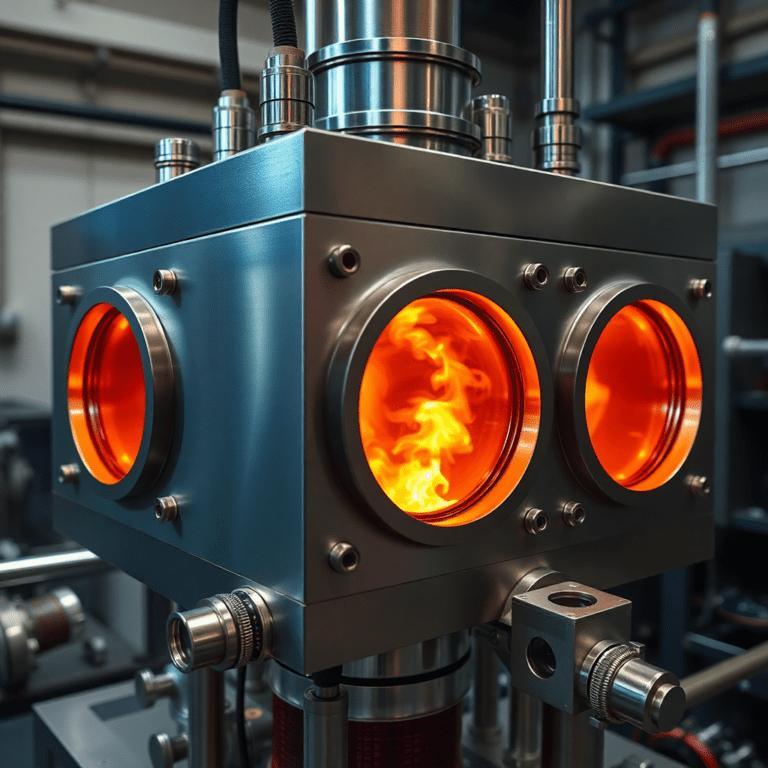
ในระบบความดันสูง เช่น เครื่องปฏิกรณ์ อุปกรณ์ใต้น้ำลึก และระบบตรวจสอบไฮดรอลิก หน้าต่างแซฟไฟร์มักถูกใช้เป็นช่องมองหรือช่องเข้าถึงทางแสง.
ไม่เหมือนกับโลหะ, แซฟไฟร์เป็น วัสดุที่เปราะบาง, ดังนั้น การออกแบบจึงต้องคำนึงถึงการกระจายแรงเครียดอย่างรอบคอบ เมื่อติดตั้งเป็นหน้าต่างวงกลม แรงเครียดหลักจะเป็นแรงเครียดจากการดัดมากกว่าแรงอัด ดังนั้น:
- เส้นผ่านศูนย์กลางที่เล็กลงช่วยเพิ่มความต้านทานแรงดันได้อย่างมีนัยสำคัญ
- ความหนาที่เพิ่มขึ้นอย่างมากช่วยเพิ่มความสามารถในการรับน้ำหนักได้อย่างมาก
- การติดตั้งอย่างถูกต้อง (การรองรับขอบ, การออกแบบปะเก็น) เป็นสิ่งสำคัญ
การใช้งานในอุตสาหกรรมทั่วไปแสดงให้เห็นว่าหน้าต่างแซฟไฟร์สามารถทนต่อ:
- 10,000–20,000 ปอนด์ต่อตารางนิ้ว ในช่องเปิดขนาดกลาง
- สูงสุดถึง 40,000 ปอนด์ต่อตารางนิ้ว ในการออกแบบที่มีเส้นผ่านศูนย์กลางขนาดเล็กที่ได้รับการปรับให้เหมาะสม
4. ความเสถียรที่อุณหภูมิสูง
หนึ่งในข้อได้เปรียบที่สำคัญที่สุดของแซฟไฟร์คือความสามารถในการรักษาประสิทธิภาพการทำงานที่อุณหภูมิสูง.
- ความเสถียรในการทำงานที่อุณหภูมิสูงกว่า 1000°C (ขึ้นอยู่กับการออกแบบการติดตั้ง)
- การไม่ตรงกันของการขยายตัวทางความร้อนน้อยมากเมื่อเทียบกับโลหะหลายชนิด
- ความต้านทานต่อความร้อนกระทันหันเมื่อออกแบบอย่างถูกต้อง
ในทางตรงกันข้าม:
- กระจกมาตรฐานจะอ่อนตัวเมื่ออุณหภูมิต่ำกว่า 600°C
- ควอตซ์มีประสิทธิภาพดีกว่า (~1000°C) แต่ขาดความแข็งแรงทางกล
แซฟไฟร์รักษาทั้งความสมบูรณ์ทางกลไกและความใสทางแสง ทำให้เหมาะสำหรับ:
- ระบบตรวจสอบเตาหลอม
- สเปกโทรสโกปีอุณหภูมิสูง
- การตรวจจับด้วยอินฟราเรดในสภาพแวดล้อมที่รุนแรง
5. ประสิทธิภาพทางแสงในระบบอุตสาหกรรม
หน้าต่างแซฟไฟร์ไม่ใช่เพียงแค่ส่วนประกอบโครงสร้างเท่านั้น—แต่เป็นองค์ประกอบทางแสงที่มีความแม่นยำสูง.
ข้อได้เปรียบทางแสงของพวกเขา ได้แก่:
- การแพร่กระจายสูงจาก ความยาวคลื่นจากรังสีอัลตราไวโอเลตถึงรังสีอินฟราเร
- การดูดซึมต่ำที่อุณหภูมิสูง
- ความเข้ากันได้กับสารเคลือบ (ชั้นป้องกันแสงสะท้อน, ชั้นเสริมประสิทธิภาพอินฟราเรด)
สิ่งนี้ทำให้พวกเขาเหมาะสมสำหรับ:
- ระบบเลเซอร์
- การถ่ายภาพอินฟราเรด
- การวินิจฉัยด้วยพลาสมา
- เซ็นเซอร์ออปติคอลในกระบวนการทางเคมี
6. การใช้งานทั่วไปในอุตสาหกรรม
หน้าต่างแซฟไฟร์ถูกใช้อย่างแพร่หลายในหลากหลายอุตสาหกรรม:
6.1 อุตสาหกรรมเคมีและปิโตรเคมี
- เครื่องปฏิกรณ์ความดันสูง
- การตรวจสอบของเหลวที่มีฤทธิ์กัดกร่อน
- การวิเคราะห์ทางแสงในสถานที่
6.2 พลังงานและการผลิตไฟฟ้า
- ระบบการตรวจสอบหม้อไอน้ำ
- การตรวจสอบกังหันก๊าซ
- เครื่องมือวัดนิวเคลียร์
6.3 อากาศยานและกลาโหม
- หน้าต่างเซ็นเซอร์ความเร็วสูง
- โดมป้องกันขีปนาวุธและหน้าต่างอินฟราเรด
- ระบบออปติคอลสำหรับสภาพแวดล้อมสุดขั้ว
6.4 เซมิคอนดักเตอร์และการผลิตขั้นสูง
- ห้องพลาสมา
- การตรวจสอบกระบวนการที่อุณหภูมิสูง
- ระบบการผลิตที่ใช้เลเซอร์
7. ข้อพิจารณาด้านการออกแบบทางวิศวกรรม
เพื่อใช้ประโยชน์จากความสามารถของแซฟไฟร์อย่างเต็มที่ การออกแบบทางวิศวกรรมที่เหมาะสมเป็นสิ่งจำเป็น:
7.1 ความหนาและเส้นผ่านศูนย์กลาง
- ความหนาต้องปรับตามความดัน
- หน้าต่างขนาดใหญ่ขึ้นต้องการความหนาเพิ่มขึ้นอย่างทวีคูณ
7.2 วิธีการติดตั้ง
- การซีลด้วยโอริง: เหมาะสำหรับแรงดันปานกลาง
- การซีลโลหะ (บัดกรีหรืออัด): จำเป็นสำหรับความดันและอุณหภูมิสูงพิเศษ
7.3 คุณภาพผิว
- การขัดเงาด้วยแสงช่วยลดรอยแตกร้าวขนาดเล็ก
- ความหยาบของผิวมีผลโดยตรงต่อความแข็งแรง
7.4 การบำบัดขอบ
- ขอบที่ตัดเอียงหรือขอบมนช่วยป้องกันการเกิดจุดเครียด
7.5 การจัดการความร้อน
- หลีกเลี่ยงการเปลี่ยนแปลงอุณหภูมิอย่างรวดเร็ว
- พิจารณาความไม่สอดคล้องของการขยายตัวกับวัสดุที่ใช้ในการก่อสร้างที่อยู่อาศัย
8. แซฟไฟร์ vs วัสดุทางเลือก
| ทรัพย์สิน | แซฟไฟร์ | ควอตซ์ | แก้ว |
|---|---|---|---|
| อุณหภูมิสูงสุด | ⭐⭐⭐⭐⭐ | ⭐⭐⭐⭐ | ⭐⭐ |
| ความต้านทานแรงดัน | ⭐⭐⭐⭐⭐ | ⭐⭐ | ⭐ |
| ความต้านทานต่อสารเคมี | ⭐⭐⭐⭐⭐ | ⭐⭐⭐⭐ | ⭐⭐ |
| ช่วงการมองเห็นด้วยแสง | กว้าง | กว้าง | จำกัด |
👉 สรุป:
แซฟไฟร์นำเสนอ สมดุลโดยรวมที่ดีที่สุด ของประสิทธิภาพทางกล, ความร้อน, และแสงสว่าง สำหรับสภาพแวดล้อมอุตสาหกรรมที่รุนแรง.
9. การปรับแต่งและการจัดหาอุตสาหกรรม
โซลูชันหน้าต่างแซฟไฟร์สมัยใหม่สามารถปรับแต่งได้สูง:
- ช่วงขนาด: จากขนาดเล็กมากไปจนถึงช่องเปิดขนาดใหญ่
- ความหนา: ปรับให้เหมาะสมกับข้อกำหนดด้านแรงดัน
- รูปร่าง: กลม, สี่เหลี่ยม, มีขั้นบันได, โดม
- การเรียงตัวของผลึก: ปรับให้เหมาะสมสำหรับประสิทธิภาพทางกลหรือประสิทธิภาพทางแสง
- สารเคลือบ: ชั้นเคลือบกันแสงสะท้อน, ชั้นเสริมประสิทธิภาพอินฟราเรด, ชั้นป้องกัน
วิศวกรรมที่ออกแบบเฉพาะช่วยให้มั่นใจว่าหน้าต่างแต่ละบานตอบสนองความต้องการที่แน่นอนของการใช้งาน.
10. บทสรุป
สภาพแวดล้อมที่มีความดันสูงและอุณหภูมิสูงต้องการวัสดุที่สามารถทนต่อแรงกดดันทางกล, ความร้อนที่สูงมาก, และการสัมผัสกับสารเคมีได้พร้อมกัน กระจกแซฟไฟร์สามารถตอบโจทย์ความต้องการเหล่านี้ได้เป็นอย่างดีเนื่องจากคุณสมบัติของมัน:
- ความแข็งแกร่งที่เหนือชั้น
- ความเสถียรทางความร้อนที่ยอดเยี่ยม
- การส่งผ่านแสงในวงกว้าง
เนื่องจากระบบอุตสาหกรรมยังคงผลักดันขีดจำกัดการดำเนินงาน กระจกแซฟไฟร์จึงไม่ได้เป็นเพียงตัวเลือก—แต่เป็น เทคโนโลยีสนับสนุนที่สำคัญ.