
As optical devices become more sophisticated and operating environments more demanding, the need for durable and reliable protective materials continues to grow. Among various optical protection materials, sapphire cover glass has emerged as one of the most promising solutions due to its exceptional hardness, optical transparency, thermal stability, and chemical resistance.
From consumer electronics to industrial automation, sapphire is increasingly being adopted as a high-performance alternative to conventional glass. As technologies such as machine vision, LiDAR, biometric sensing, and autonomous systems continue to evolve, sapphire cover glass is expected to play an even more important role in the future of optical protection.
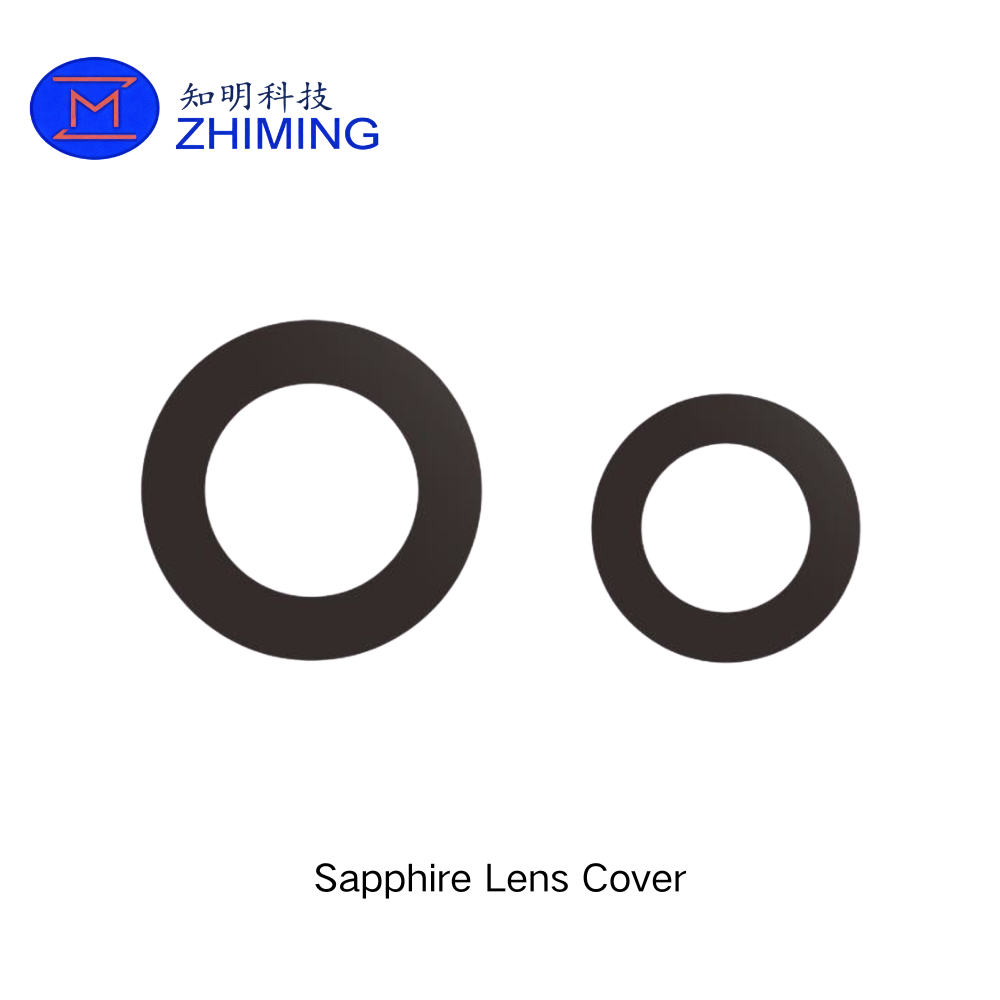
The Growing Demand for High-Performance Optical Protection
Modern optical systems are becoming smaller, smarter, and more integrated. Cameras, sensors, scanners, and imaging devices are now widely used in environments where conventional glass may suffer from scratches, wear, contamination, or thermal stress.
As a result, manufacturers are looking for protective materials that can maintain optical performance over long periods of operation.
Sapphire cover glass addresses these challenges by offering:
- Exceptionellt motståndskraftig mot repor
- Hög optisk överföring
- Lång livslängd
- Excellent environmental stability
- Resistance to chemicals and abrasion
These characteristics make sapphire increasingly attractive for applications where reliability is critical.
Miniaturization of Optical Devices
One of the strongest trends in the electronics and optics industries is miniaturization.
Smartphones, wearable devices, biometric sensors, and compact imaging systems require smaller components without sacrificing durability or performance.
As devices become thinner and more compact, sapphire cover glass provides an ideal solution because it can be manufactured into ultra-thin protective windows while maintaining exceptional mechanical strength.
Future developments are expected to focus on:
- Thinner sapphire cover plates
- Higher dimensional precision
- Improved optical coatings
- Integration with advanced sensor technologies
Expansion of Machine Vision and Industrial Automation
Machine vision systems are rapidly becoming a core technology in manufacturing, logistics, robotics, and quality inspection.
These systems rely on cameras and optical sensors that operate continuously in demanding industrial environments.
Dust, debris, vibration, and mechanical wear can significantly affect optical performance over time.
Sapphire cover windows help protect imaging systems while maintaining long-term optical clarity, making them increasingly valuable in industrial automation applications.
As Industry 4.0 technologies continue to expand, demand for durable optical protection solutions is expected to increase accordingly.
Sapphire Cover Glass in LiDAR and Sensor Technologies
LiDAR, 3D sensing, and advanced optical detection technologies are becoming essential components in autonomous vehicles, drones, robotics, and smart infrastructure.
These systems require protective windows that combine excellent optical transmission with long-term environmental durability.
Because sapphire offers high transmission across visible and near-infrared wavelengths, it is well suited for protecting sensitive sensing modules.
Future sensor platforms are expected to require:
- Greater optical accuracy
- Enhanced environmental protection
- Longer operational lifetimes
These requirements will continue driving the adoption of sapphire-based protective windows.
Increasing Adoption in Medical and Scientific Equipment
Medical imaging systems, diagnostic instruments, and laboratory equipment often require highly stable optical materials that can withstand repeated cleaning, sterilization, and chemical exposure.
Sapphire’s durability and chemical resistance make it particularly suitable for these applications.
As healthcare technologies continue to advance, sapphire cover glass is expected to become increasingly common in:
- Utrustning för medicinsk bilddiagnostik
- Diagnostic sensors
- Laboratorieinstrument
- Portable healthcare equipment
Advanced Optical Coatings and Surface Engineering
The future of sapphire protection technology extends beyond the material itself.
Researchers and manufacturers are continuously developing advanced coating technologies to further improve optical performance.
Emerging innovations include:
- Anti-reflective coatings
- Hydrophobic coatings
- Anti-fingerprint coatings
- Infrared-enhanced coatings
- Laser-resistant coatings
These technologies help optimize sapphire cover glass for increasingly specialized optical applications.
Sustainability and Long-Term Value
Sustainability is becoming an important consideration across many industries.
Because sapphire cover glass offers significantly longer service life than conventional glass materials, it can reduce replacement frequency and maintenance costs.
For equipment manufacturers and end users alike, longer-lasting optical protection contributes to improved reliability and reduced lifecycle costs.
As companies seek more sustainable and cost-effective solutions, sapphire’s durability provides a strong competitive advantage.
Looking Ahead
The future of sapphire cover glass is closely linked to the growth of advanced optics, intelligent sensing, machine vision, and connected devices.
As technology continues to demand greater durability, higher optical performance, and improved reliability, sapphire is expected to become an increasingly important material for optical protection applications.
From camera lens covers and fingerprint sensors to LiDAR systems and industrial imaging equipment, sapphire cover glass is well positioned to support the next generation of optical technologies.
Manufacturers that invest in advanced sapphire processing, precision machining, and coating technologies will be well prepared to meet the growing demand for high-performance optical protection solutions.
Slutsats
Sapphire cover glass is no longer limited to premium consumer electronics. Its unique combination of optical clarity, mechanical strength, and environmental durability is opening new opportunities across industrial, automotive, medical, and sensing applications.
As optical technologies continue to evolve, sapphire cover glass will remain at the forefront of optical protection innovation, helping ensure reliable performance in increasingly demanding environments.