
As wearable devices evolve from simple consumer electronics into high-precision health monitoring tools and lifestyle accessories, material selection has become a key factor in product differ2entiation.
Among various advanced materials, sapphire (single-crystal aluminum oxide) is increasingly adopted in high-end smartwatches, fitness trackers, and optical wearable devices due to its exceptional combination of durability, optical performance, and long-term stability.
This shift is not driven by aesthetics alone—it reflects a structural upgrade in performance requirements across the wearable industry.
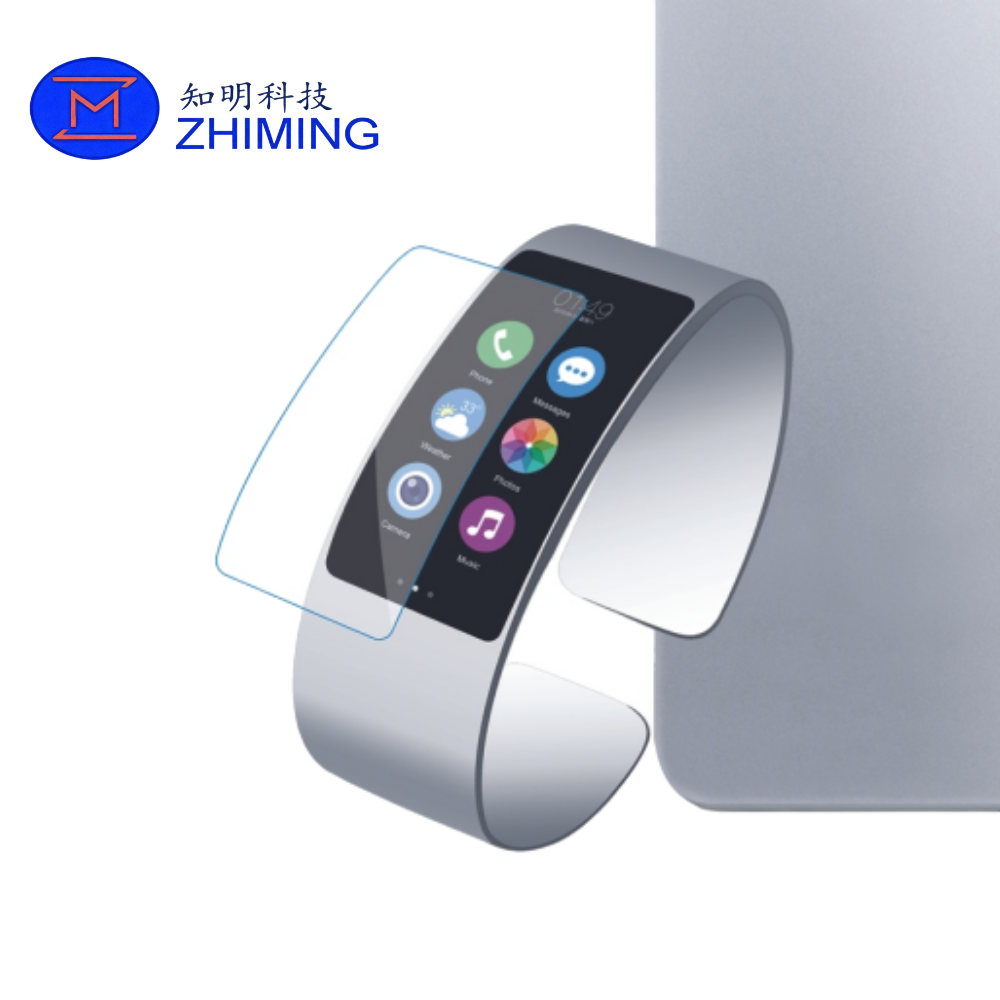
1. Material Upgrade Driven by Durability Demands
One of the biggest challenges in wearable devices is surface degradation during long-term daily use.
Unlike smartphones, wearables are exposed continuously to:
- Constant wrist movement
- Friction with clothing and objects
- Outdoor environments (dust, sand, metal contact)
Sapphire provides a practical solution due to its extreme hardness (Mohs hardness level 9), second only to diamond.
Это означает:
- No visible scratches in normal use
- Long-term optical clarity retention
- Stable surface appearance over years
In contrast, conventional strengthened glass tends to accumulate micro-scratches over time, leading to a “clouded” appearance.
2. Sapphire vs Conventional Cover Materials (Technical Comparison)
| Недвижимость | Sapphire Crystal | Chemically Strengthened Glass | Standard Glass |
|---|---|---|---|
| Твердость по Моосу | 9 | 6–7 | 5–6 |
| Устойчивость к царапинам | Превосходно | Умеренный | Низкий |
| Оптическая передача | 85%–92% | 90%–95% | 85%–90% |
| Термическая стабильность | >1600°C | ~700°C | ~500°C |
| Химическая стойкость | Excellent (acid/sweat resistant) | Средний | Низкий |
| Aging Resistance | Nearly zero degradation | Minor haze over time | Visible aging |
| Manufacturing Cost | Высокий | Средний | Низкий |
👉 Key Insight:
Sapphire is not a general replacement for glass, but a performance-driven premium upgrade material.
3. Optical Performance for Health Monitoring Applications
Modern wearable devices are no longer limited to time display or notifications. They increasingly integrate:
- Heart rate monitoring
- Blood oxygen measurement (SpO₂)
- Skin temperature sensing
- Optical biosensors
These functions rely heavily on stable light transmission.
Сапфировые предложения:
- High optical clarity in visible and near-infrared ranges
- Low signal distortion
- Stable refractive properties over time
This ensures more accurate sensor readings, especially in medical-grade or fitness-focused devices.
4. Market Data: Rising Adoption of Sapphire in Wearables (2020–2026)
Industry analysis of wearable device materials shows a clear upward trend in sapphire adoption:
- Global wearable device market size:
- 2020: ~USD 31 billion
- 2026 (projected): over USD 85 billion
- Sapphire adoption rate in consumer electronics:
- 2018: ~6%
- 2022: ~14%
- 2026 forecast: 25%–30% in premium segments
- Smartwatch segment specifically:
- Premium models using sapphire: 40%+
- Luxury wearable brands: 70%+ penetration
👉 Interpretation:
Sapphire is transitioning from a premium optional material to a standard feature in high-end wearable devices.
5. Why Brands Choose Sapphire: Beyond Performance
5.1 Long-Term Visual Consistency
Consumers increasingly expect devices to maintain a “new product look” even after years of use.
Sapphire enables:
- Scratch-free surface retention
- Stable transparency
- No yellowing or haze formation
5.2 Premium Brand Positioning
In the wearable industry, material selection directly impacts perceived product value.
- Sapphire = premium / luxury / professional
- Glass = mainstream consumer grade
This makes sapphire a strategic material for:
- High-end smartwatches
- Sports performance devices
- Luxury co-branded wearables
5.3 Environmental Resistance
Wearable devices operate in complex environments, including:
- Sweat exposure
- Skin oils
- Cosmetics and cleaning agents
- Humid or outdoor conditions
Sapphire’s chemical inertness ensures long-term surface stability without corrosion or degradation.
6. Expanding Applications in Wearable Device Architecture
Initially used only as protective cover glass, sapphire is now expanding into functional structural roles:
Current application areas:
- Smartwatch cover lenses
- Camera protection windows
- Optical sensor windows
- Fingerprint recognition covers
- Microstructural support components
- Custom decorative elements for premium devices
👉 Trend conclusion:
Sapphire is evolving from a protective material into a functional engineering material.
7. Manufacturing Considerations and Challenges
Despite its advantages, sapphire also presents several manufacturing challenges:
- High hardness leads to difficult cutting and machining
- Polishing requires precision processing equipment
- Thin wafer processing has yield limitations
- Higher production cost compared to glass
As a result, sapphire is primarily used in high-value, performance-critical applications rather than mass-market low-cost devices.
8. Future Outlook: Sapphire in Next-Generation Wearables
With the development of:
- Medical-grade wearable devices
- AI-integrated health monitoring systems
- Advanced optical sensing modules
- AR/VR wearable technologies
Sapphire is expected to play a broader role not only as a protective layer but also as a core optical and structural material.
The long-term trajectory suggests:
Wearable devices will increasingly rely on sapphire where durability and optical precision are critical.
ЧАСТО ЗАДАВАЕМЫЕ ВОПРОСЫ
Will sapphire completely replace glass in wearable devices?
No. Sapphire will not fully replace glass. Glass remains dominant in mass-market devices, while sapphire is primarily used in premium and high-performance segments.
Is sapphire scratch-proof?
Sapphire is not completely “scratch-proof,” but it is highly scratch-resistant under normal daily conditions. Only materials of equal or higher hardness (such as diamond) can scratch it.
Is sapphire fragile or easy to break?
Sapphire has high hardness but lower impact resistance compared to some strengthened glass types. It can crack under strong impact or drops.
Does sapphire affect sensor performance?
No. In fact, sapphire improves optical stability and ensures better consistency for optical sensors such as heart rate and SpO₂ modules.
Why is sapphire more expensive than glass?
Because of:
Slow crystal growth process
High-energy manufacturing requirements
Difficult machining and polishing
Lower production yield
What wearable products benefit most from sapphire?
Premium smartwatches
Fitness and sports tracking devices
Medical wearable sensors
Optical recognition modules