
Saffier (eenkristal Al₂O₃) wordt veel gebruikt in optische systemen, hogedruksystemen, ruimtevaart en lasersystemen vanwege de uitzonderlijke hardheid, thermische stabiliteit en het brede optische transmissiebereik. Een veelgestelde technische vraag is: hoe dun kan een saffiervenster worden gemaakt met behoud van structurele en optische prestaties?
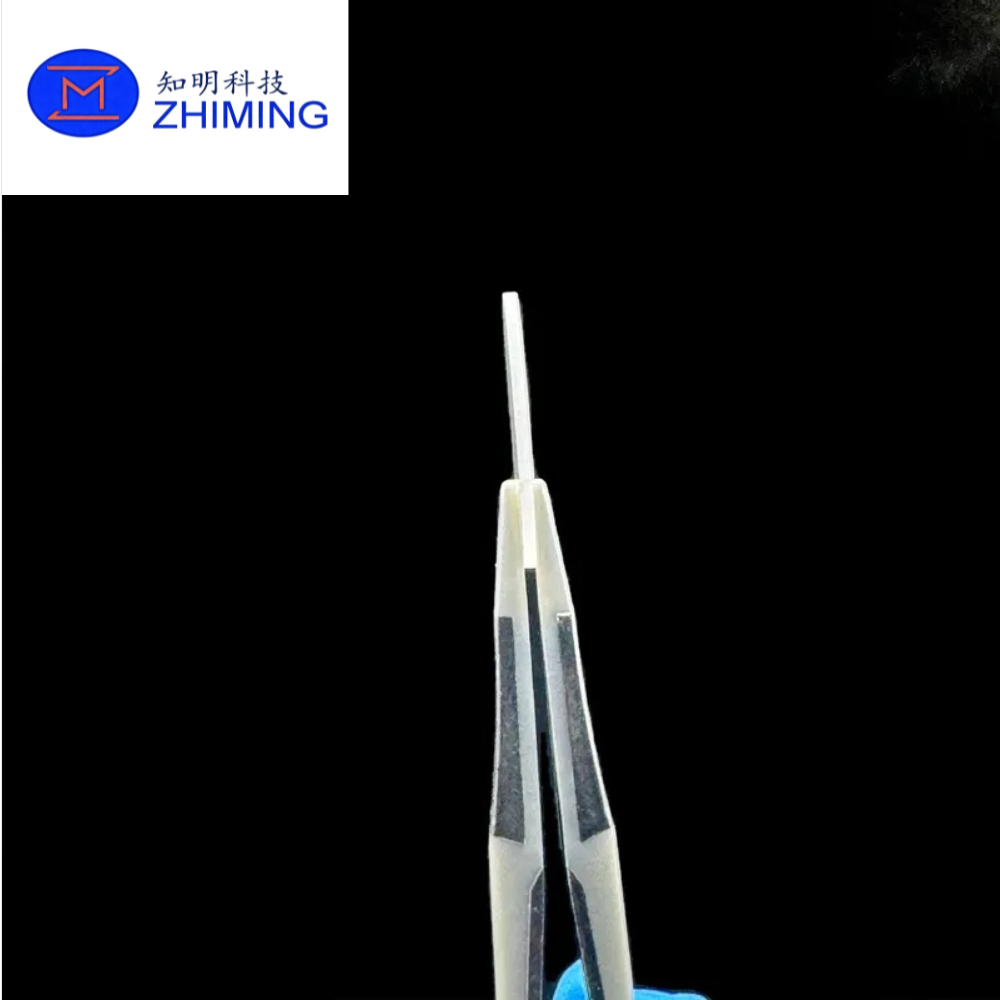
1. Achtergrond materiaal: Waarom Sapphire dunne vensters mogelijk maakt
Saffier is geen glas maar een keramiek met één kristal (Al₂O₃). De eigenschappen bepalen direct hoe dun het gemaakt kan worden:
- Mohs-hardheid: 9 (na diamant)
- Modulus van Young: ~345 GPa
- Hoge druksterkte (>2 GPa theoretisch)
- Uitstekend warmtegeleidingsvermogen (25-35 W/m-K)
- Optische transmissie: ~0,15 µm tot 5,5 µm (UV-IR-bereik)
Dankzij deze eigenschappen kunnen saffiervensters aanzienlijk dunner zijn dan conventioneel optisch glas of gesmolten siliciumdioxide, terwijl de mechanische integriteit behouden blijft.
2. Praktisch diktebereik van saffierramen
In industriële en onderzoekstoepassingen worden saffierramen meestal binnen het volgende bereik geproduceerd:
| Type toepassing | Typische dikte |
|---|---|
| Micro-optiek / sensoren | 0,1 - 0,3 mm |
| Standaard optische vensters | 0,5 - 3 mm |
| Hogedruksystemen | 2 - 10 mm |
| Ruimtevaart / extreme omgevingen | 3 - 20 mm |
Belangrijkste conclusie:
- De dunste ramen van saffier die commercieel haalbaar zijn, kunnen ~100 micron (0,1 mm) zijn.
- Ultradunne wafers die gebruikt worden voor MEMS of onderzoek kunnen iets onder dit bereik gaan, maar worden dan extreem kwetsbaar en gevoelig voor manipulatie.
3. Mechanische beperkingen: Wat beperkt de dikte?
De minimale dikte wordt niet beperkt door optische prestaties, maar door breukmechanica.
3.1 Buigspanning (primaire bezwijkmodus)
Een raam gedraagt zich als een ingeklemde ronde plaat onder druk. Hoe dunner het wordt, hoe hoger de spanning:
- Spanning ∝ druk × diameter² / dikte²
Dit betekent:
- Diktevermindering met 50% verhoogt de spanning met 4×.
3.2 Randdefecten domineren mislukking
De theoretische sterkte van saffier is zeer hoog, maar in de praktijk wordt het falen bepaald door:
- Microscheurtjes aan de randen
- Krassen op het oppervlak
- Ondergrondse schade door polijsten
Zelfs een defect van 1-5 µm kan de sterkte aanzienlijk verminderen.
4. Optische beperkingen: Beïnvloedt dunheid de prestaties?
Het is interessant dat dunnere saffier de optische transmissie niet significant vermindert, omdat de absorptie over de UV-IR-banden laag is.
De dikte is echter van invloed:
4.1 Golffrontvervorming
- Dikker saffier introduceert meer interne spanningsbirefringentie
- Dunne vensters verminderen optische padvervorming
4.2 Coatingstabiliteit
- Ultradun saffier is moeilijker uniform te coaten (AR-coatings, ALD-lagen)
5. Productiebeperkingen
5.1 Kristalgroei
Saffier wordt gekweekt via:
- Kyropoulos-methode
- Czochralski-methode
- Randgedefinieerde filmgevoede groei (EFG)
Dunne ramen worden niet direct gekweekt - dat gebeurt wel:
- gesneden uit bulkkristallen
- daarna gelept en gepolijst
5.2 Uitdunningsproces
Typische stappen:
- Draadzagen (initieel snijden)
- Dubbelzijdig lappen
- CMP polijsten (chemisch-mechanisch polijsten)
- Afschuinen
- Spanningsarm gloeien
Met een dikte van ~100-300 µm:
- opbrengst neemt sterk af
- het risico op breuk neemt aanzienlijk toe
6. Technische afweging: dikte versus prestatie
| Eigendom | Dunnere saffier | Dikkere saffier |
|---|---|---|
| Mechanische sterkte | Onder | Hoger |
| Optische vervorming | Onder | Hoger (stress-effecten) |
| Gewicht | Onder | Hoger |
| Drukweerstand | Onder | Hoger |
| Omgaan met risico's | Hoger | Onder |
👉 Bij een technisch ontwerp moeten deze parameters altijd tegen elkaar worden afgewogen.
7. Real-World technische grenzen
In praktische systemen:
- 0,1-0,3 mmMicro-optiek van onderzoekskwaliteit, fragiele hantering
- 0,5-1 mm: optische sensoren met hoge prestaties (meest gebruikt op minimaal industrieel niveau)
- ≥2 mm: drukvaten, lucht- en ruimtevaart, laservensters
Onder ~100 µm:
- saffier gedraagt zich meer als een bros MEMS-membraan dan als een structureel venster
8. Belangrijkste wetenschappelijke inzicht
De minimale dikte van saffierramen wordt niet bepaald door optische fysica, maar door:
breuktaaiheid + defectbeheersing + mechanische ontwerpbeperkingen
Hoewel saffier extreem sterk is, blijft het een bros kristal. De bruikbare dikte wordt daarom bepaald door statistische faalkansen (Weibull-verdeling) in plaats van een enkele deterministische waarde.
9. Conclusie
Saffier ramen kunnen theoretisch extreem dun gemaakt worden, tot ~100 micron, maar praktische technische grenzen houden ze meestal boven 0,5 mm omwille van de betrouwbaarheid.
De echte beperking is niet het materiaal zelf, maar:
- controle op oppervlaktedefecten
- kwaliteit randafwerking
- ladingsvoorwaarden
- eisen veiligheidsfactor
Naarmate de productieprecisie verbetert (CMP, ALD-coatings, polijsten met ultralage defecten), zullen dunnere saffiervensters zich blijven uitbreiden naar geavanceerde optica, MEMS en toepassingen in extreme omgevingen.