
Optische vensters van saffier worden in tal van sectoren gebruikt, waaronder de lucht- en ruimtevaart, defensie, de halfgeleiderindustrie, medische apparatuur, lasersystemen en industriële inspectieapparatuur. Hoewel materiaaleigenschappen zoals optische doorlaatbaarheid, hardheid en chemische bestendigheid vaak de belangrijkste aandachtspunten zijn, kan de vorm van het saffiervenster even belangrijk zijn.
Tijdens het ontwerpen van systemen krijgen ingenieurs vaak te maken met een veelgestelde vraag:
Moet een saffierglas rond, vierkant of rechthoekig zijn?
Het antwoord hangt af van factoren zoals drukbestendigheid, optische prestaties, de complexiteit van de productie, montage-eisen en het algehele systeemontwerp.
In dit artikel worden de voordelen en beperkingen van elke geometrie onder de loep genomen om ontwerpers te helpen bij het kiezen van de meest geschikte configuratie voor een saffiervenster.
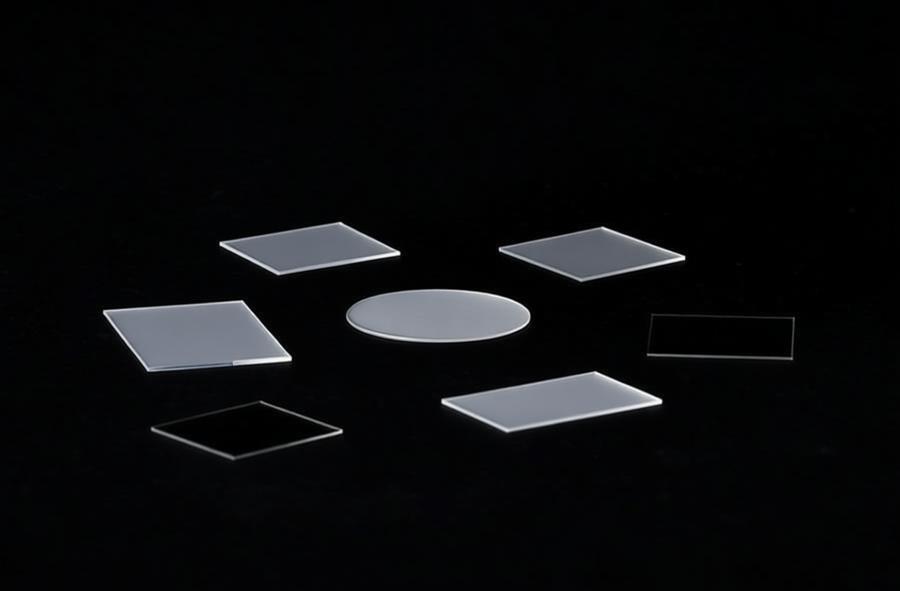
Waarom de vorm van het raam belangrijk is
De vorm van een saffierruit heeft invloed op een aantal cruciale kenmerken:
- Mechanische sterkte
- Drukweerstand
- Spanningsverdeling
- Benutting van de optische opening
- Productiekosten
- Toenemende complexiteit
- Gewicht en materiaalverbruik
Het kiezen van de verkeerde geometrie kan leiden tot hogere kosten, verminderde betrouwbaarheid of onnodige ontwerpbeperkingen.
Ronde saffierramen
Voordelen
Ronde saffiervensters zijn het meest gebruikte ontwerp in hoogwaardige optische systemen.
Door hun cirkelvormige geometrie wordt de mechanische belasting gelijkmatig over het oppervlak verdeeld.
De belangrijkste voordelen zijn onder meer:
- Uitstekende drukbestendigheid
- Gelijkmatige spanningsverdeling
- Minder kans op scheuren
- Eenvoudiger afdichten met O-ringen
- Ideaal voor omgevingen met hoge druk
Omdat er geen hoeken zijn, wordt de spanningsconcentratie tot een minimum beperkt.
Typische toepassingen
Ronde saffierramen worden op grote schaal gebruikt in:
- Hogedruk-kijkglazen
- Observatiesystemen voor de diepzee
- Laseroptica
- Vacuümkamers
- Apparatuur voor de halfgeleiderproductie
- Sensoren voor de ruimtevaart
Beperkingen
Het grootste nadeel is het ruimtegebruik.
Wanneer ronde vensters in vierkante of rechthoekige apparatuurbehuizingen worden ingebouwd, kunnen er ongebruikte ruimtes rond de optische opening ontstaan.
Vierkante saffierramen
Voordelen
Vierkante saffiervensters bieden een groter bruikbaar zichtveld dan ronde vensters met vergelijkbare afmetingen.
Voordelen zijn onder andere:
- Efficiënt gebruik van de beschikbare ruimte
- Grotere optische opening
- Eenvoudigere integratie in elektronische assemblages
- Symmetrisch uiterlijk
Er wordt vaak voor vierkante ramen gekozen wanneer het belangrijk is om het uitzicht zo groot mogelijk te maken.
Typische toepassingen
Veelvoorkomende toepassingen zijn onder meer:
- Beeldvormingssystemen
- Schermbescherming
- Optische sensoren
- Wetenschappelijke instrumenten
- Raampjes voor de camera
Beperkingen
De hoeken van een vierkant raam zorgen voor plaatselijke spanningsconcentraties.
Bij drukbelasting worden de hoeken zwaarder belast dan de centrale delen.
Het gevolg hiervan is:
- De drukbestendigheid is over het algemeen lager dan bij ronde uitvoeringen
- Er zijn wellicht dikkere ramen nodig
- Het ontwerp van de bevestiging wordt steeds belangrijker
Rechthoekige saffierramen
Voordelen
Rechthoekige saffiervensters zijn ideaal wanneer het optische systeem zelf een rechthoekig gezichtsveld heeft.
Ze benutten de bruikbare ruimte optimaal en sluiten naadloos aan bij veel moderne optische apparaten.
Voordelen zijn onder andere:
- Uitstekende benutting van de ruimte
- Compatibiliteit met camera’s en sensoren
- Flexibele afmetingen op maat
- Efficiënte integratie in industriële apparatuur
Typische toepassingen
Rechthoekige saffiervensters komen vaak voor in:
- Machinevisiesystemen
- Barcodescanners
- Industriële inspectieapparatuur
- Optische bewakingssystemen
- Apparatuur voor medische beeldvorming
Beperkingen
Rechthoekige ramen vertonen de hoogste mate van spanningsconcentratie van de drie vormen.
Langere overspanningen kunnen de buigspanning vergroten.
Ingenieurs compenseren dit vaak door:
- Toenemende dikte
- Ondersteuningsconstructies toevoegen
- Gebruik van versterkte montageframes
Vergelijking van drukbestendigheid
Voor ramen met een vergelijkbare dikte en oppervlakte geldt over het algemeen de volgende drukweerstand:
| Vorm | Drukweerstand |
|---|---|
| Rond | Uitstekend |
| Vierkant | Goed |
| Rechthoekig | Matig |
Dit komt voornamelijk door verschillen in de spanningsverdeling.
Ronde vensters zorgen ervoor dat de belasting gelijkmatig wordt verdeeld, terwijl hoeken in vierkante en rechthoekige ontwerpen zones met verhoogde spanning veroorzaken.
Voor toepassingen onder hoge druk wordt meestal de voorkeur gegeven aan ronde saffiervensters.
Vergelijking van de optische efficiëntie
Wanneer het maximaliseren van het zichtoppervlak het belangrijkste doel is, bieden rechthoekige en vierkante ramen vaak voordelen.
| Vorm | Benutting van de diafragmaopening |
| Rond | Matig |
| Vierkant | Hoog |
| Rechthoekig | Zeer hoog |
Camerasystemen, beeldsensoren en beeldschermen maken van nature gebruik van rechthoekige vormen, omdat deze overeenkomen met de vorm van de detector.
Overwegingen met betrekking tot de productie
Ronde ramen
Over het algemeen gemakkelijker te bewerken en te polijsten.
Voordelen zijn onder meer:
- Eenvoudigere afwerking van de randen
- Minder complexe bewerking
- Hogere opbrengst bij standaardafmetingen
Vierkante ramen
Vereist aanvullende randbewerking en hoekafwerking.
De complexiteit van de productie neemt licht toe in vergelijking met ronde onderdelen.
Rechthoekige ramen
Vereisen vaak de meeste aanpassingen.
Complexe afmetingen, strengere toleranties en gespecialiseerde randbewerkingen kunnen de productiekosten verhogen.
Kostenvergelijking
Hoewel de prijs afhankelijk is van de afmetingen en specificaties, is de algemene trend als volgt:
| Vorm | Relatieve kosten |
| Rond | Laagste |
| Vierkant | Matig |
| Rechthoekig | Hoogste |
Op maat gemaakte rechthoekige saffiervensters vergen vaak meer bewerkingstijd en leiden tot een lager materiaalrendement.
Welk ontwerp werkt het beste?
De optimale keuze hangt af van de eisen die aan de toepassing worden gesteld.
Kies voor ronde saffierramen wanneer:
- Er is sprake van hoge druk
- Mechanische betrouwbaarheid is van cruciaal belang
- Er zijn vacuümomgevingen aanwezig
- Lasertoepassingen vereisen een minimale belasting
Kies voor vierkante saffierramen wanneer:
- Een groter kijkgebied is gewenst
- Ruimtebenutting is belangrijk
- Er heerst een matige druk
- Symmetrische optische opstellingen hebben de voorkeur
Kies voor rechthoekige saffierramen wanneer:
- Er worden beeldvormingssystemen gebruikt
- Camera’s of sensoren hebben rechthoekige formaten
- Er is een maximaal weergavegebied vereist
- Het ontwerp van de apparatuur bepaalt de rechthoekige vorm
Toekomstige trends
Naarmate de technologie voor de verwerking van saffier zich verder ontwikkelt, produceren fabrikanten in toenemende mate:
- Rechthoekige saffierramen van groot formaat
- Complexe, op maat gemaakte geometrieën
- Ultradunne precisieglasplaatjes
- Saffieronderdelen met meerdere openingen
Deze ontwikkelingen bieden ingenieurs meer ontwerpvrijheid, terwijl de uitzonderlijke duurzaamheid en optische prestaties van saffier behouden blijven.
Conclusie
Er bestaat geen universele “beste” vorm voor een saffiervenster. De ideale geometrie hangt af van de afweging tussen mechanische sterkte, optische eisen, beschikbare inbouwruimte en productiekosten.
Voor toepassingen waarbij hoge druk optreedt, blijven ronde saffiervensters de voorkeursoplossing vanwege hun superieure spanningsverdeling. Voor beeldvormings- en sensorsystemen bieden vierkante en rechthoekige ontwerpen vaak een betere optische efficiëntie en systeemintegratie.
Door de geometrie van de vensters zorgvuldig af te stemmen op de eisen van de toepassing, kunnen ontwerpers optimale prestaties, betrouwbaarheid en kostenefficiëntie realiseren in veeleisende optische omgevingen.