
 Metallized sapphire windows combine the optical, mechanical and thermal advantages of sapphire with a precisely controlled metallic layer for joining, sealing, electrical connection or package integration.
We manufacture custom sapphire windows with localized metallization on the perimeter, edge, ring area or customer-defined pattern, supporting applications in optical sensors, vacuum systems, laser modules, semiconductor equipment, aerospace instruments and hermetic electronic packages.
Unlike standard sapphire windows that provide only an optical interface, a metallized sapphire window can be designed as a functional part of the final assembly, helping customers integrate sapphire directly with metal housings, packages or other precision components.
What Is a Metallized Sapphire Window?
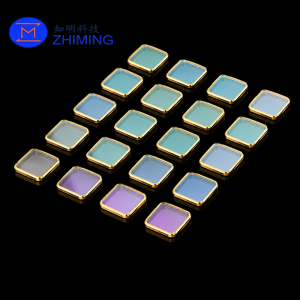 A metallized sapphire window is a polished sapphire component with a controlled metal layer deposited on selected areas of the surface.
The center of the sapphire window is normally kept clear for optical transmission, while the outer area is metallized according to the assembly design.
Typical metallization patterns include:
- Circular perimeter metallization
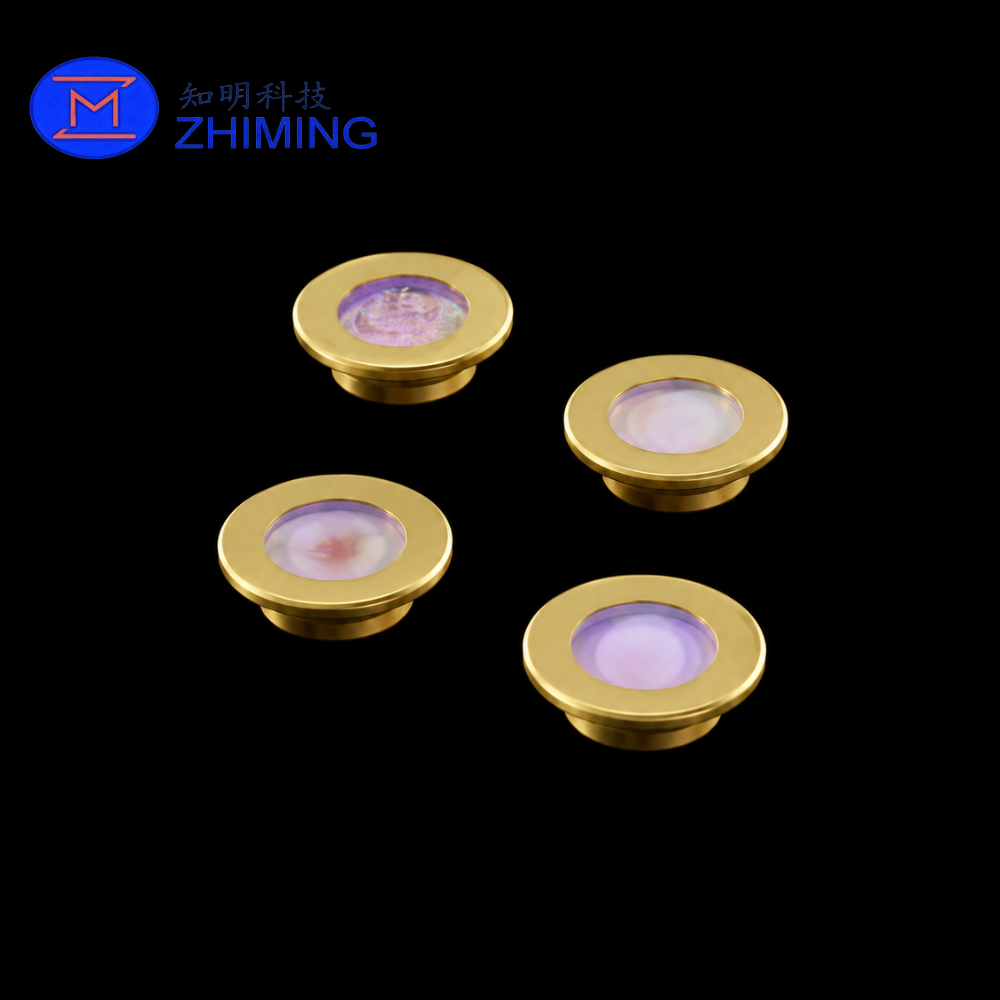
- Gold metallized rings
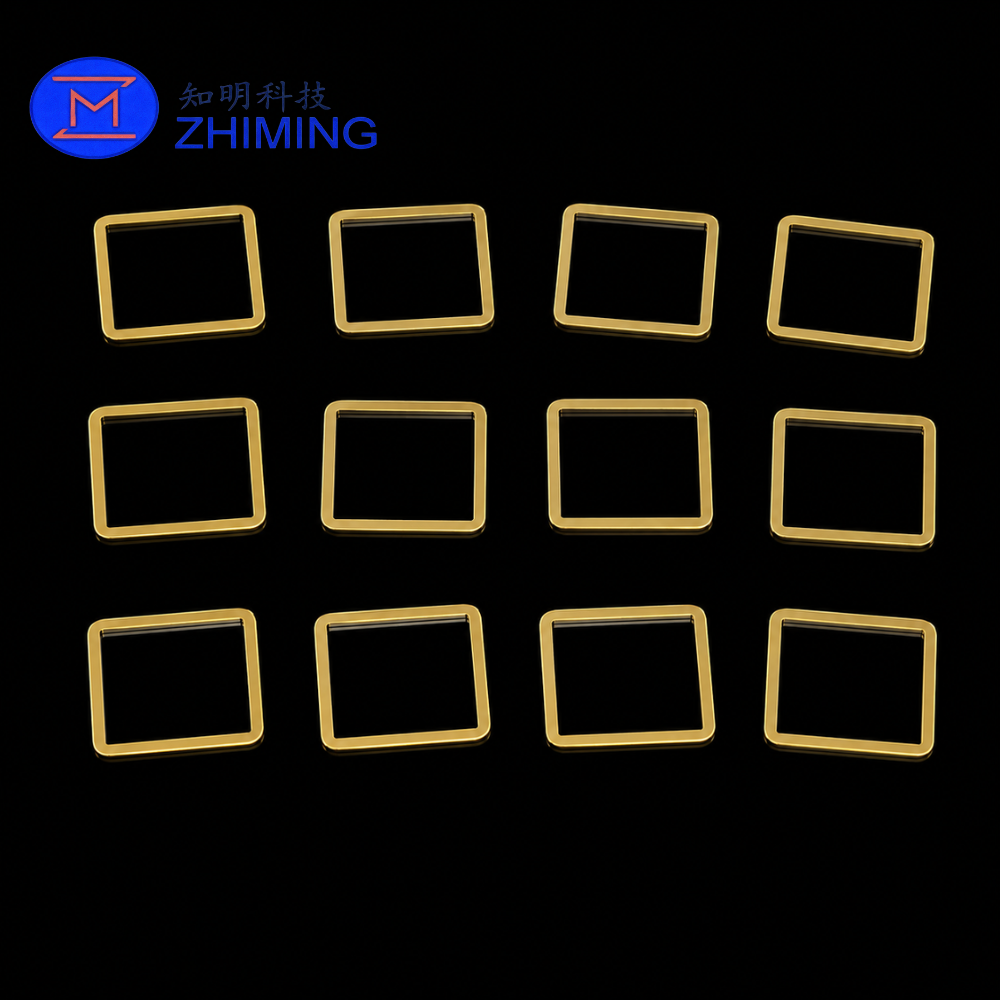
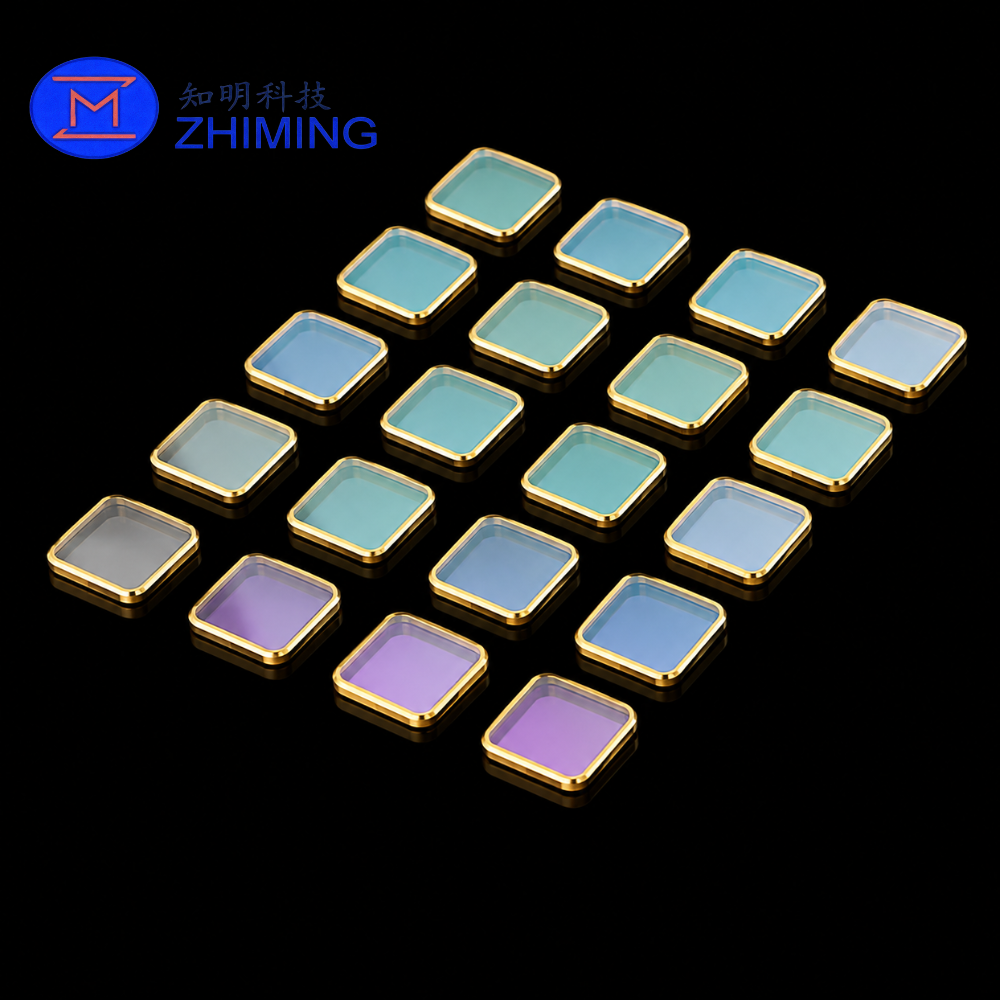
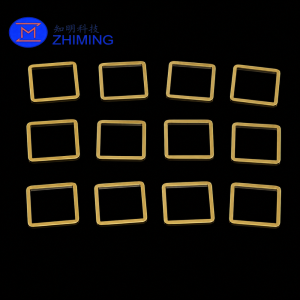
- Square or rectangular metal frames
- Edge metallization
- Localized bonding areas
- Custom patterned metallization
- Single-side metallization
- Double-side metallization when required
The exact metal structure and thickness should be selected according to the customer’s joining process, operating environment and final assembly requirements.
Why Metallize Sapphire?
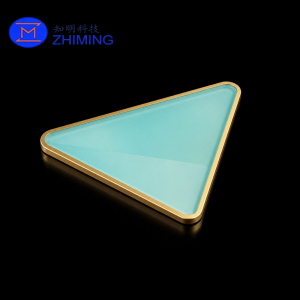 Sapphire is an excellent optical material, but its ceramic surface cannot always be joined directly using conventional metallic assembly methods.
Metallization creates a functional interface between the sapphire window and surrounding package.
Depending on the selected metallization system, it may help support:
- Brazing
- Soldering
- Metal-to-sapphire joining
- Hermetic package integration
- Electrical contact areas
- Conductive interfaces
- Precision bonding
- Sensor packaging
The metallized region can be limited to the area actually required for assembly, leaving the optical clear aperture unaffected.
Available Metallization Structures
Different metal systems can be evaluated according to the application.
Possible metallization structures may include combinations such as:
- Gold-based metallization
- Titanium / gold systems
- Chromium / gold systems
- Multilayer adhesion and barrier structures
- Customer-specified metal stacks
Gold is commonly used as an exposed surface because of its oxidation resistance, electrical conductivity and compatibility with many packaging processes.
However, the final metal stack should not be selected only by appearance. Adhesion to sapphire, joining temperature, solder or braze alloy, vacuum requirements and long-term reliability should all be considered.
For this reason, we recommend providing the intended assembly method during RFQ review.
Custom Shapes Available
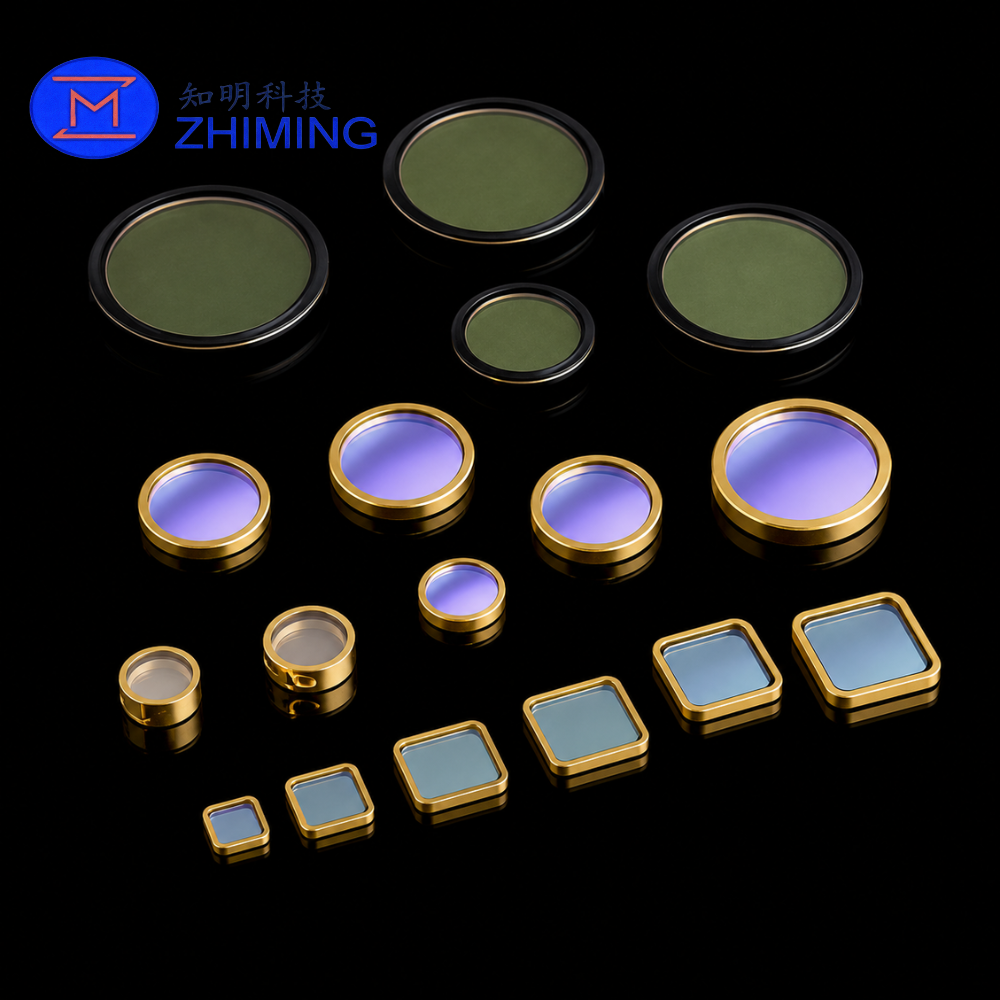
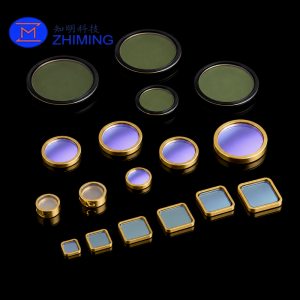
We can manufacture metallized sapphire windows in a wide range of geometries.
Round Metallized Sapphire Windows
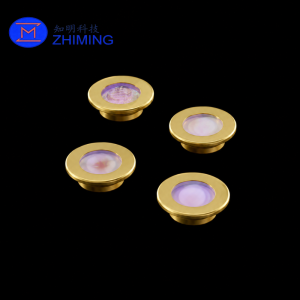
Circular sapphire windows can be produced with ring-shaped metallization around the optical aperture.
تشمل التطبيقات النموذجية ما يلي:
- Optical detectors
- Sensor housings
- Vacuum windows
- Laser assemblies
- Hermetic packages
Square and Rectangular Sapphire Windows
Square and rectangular parts can be manufactured with metallized borders or localized metal areas.
These geometries are frequently used in custom optical modules, sensor packages and electronic assemblies.
Custom-Shaped Sapphire Windows
In addition to conventional shapes, we can evaluate:
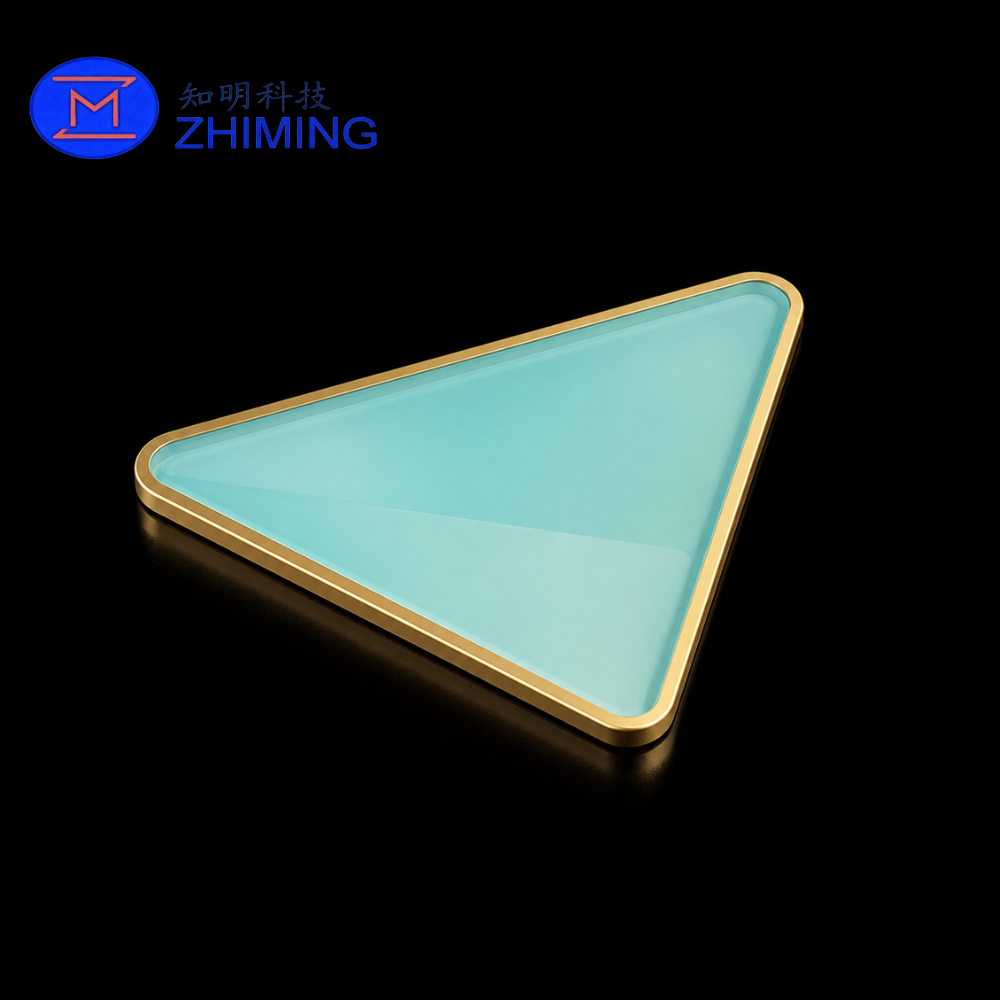
- Triangular sapphire windows
- خواتم من الياقوت الأزرق
- Stepped windows
- Windows with holes
- Windows with slots
- Irregular profiles
- Customer-designed sapphire components
This allows the sapphire geometry and metallization pattern to be developed as one integrated component.
Typical Custom Specifications
| المعلمة | Available Options |
|---|---|
| المواد | Optical-grade sapphire |
| الشكل | Round, square, rectangular, ring or custom |
| Diameter / Length / Width | Custom |
| السُمك | Custom |
| Surface | Single-side or double-side polished |
| فتحة تهوية واضحة | According to drawing |
| جودة السطح | Custom optical requirement |
| التسطيح | Custom |
| التوازي | Custom |
| تشطيب الحافة | Ground, chamfered or polished |
| Metallization Area | Ring, frame, edge or custom pattern |
| التمعدن | Gold-based or custom metal stack |
| Metallization Thickness | According to application |
| الكمية | Prototype to production |
| Inspection | Drawing-based inspection available |
Final specifications depend on component size, thickness, geometry and metallization design.
Clear Aperture and Metallization Control
For optical applications, the relationship between the clear aperture and metallized area is especially important.
The metal layer should remain outside the required optical path while still providing sufficient joining area.
Important drawing dimensions therefore often include:
- Overall window diameter or size
- Optical clear aperture
- Metallization inner diameter
- Metallization outer diameter
- Frame width
- Pattern position
- Alignment tolerance
- Edge exclusion
- Coating boundary tolerance
For small sapphire windows, even a small positioning error can affect the available optical aperture or final assembly fit.
We therefore recommend clearly identifying both the optical and metallization areas on the drawing.
Sapphire Window Manufacturing Capability
Before metallization, the sapphire component itself can be manufactured according to the customer’s mechanical and optical requirements.
Our custom processing capability includes:
- Sapphire cutting
- CNC shaping
- الطحن الدقيق
- التلميع على الوجهين
- التلميع البصري
- شطف الحواف
- Hole machining
- Slot machining
- Custom profile fabrication
- Surface inspection
- Dimensional inspection
By combining sapphire machining and metallization in one project, customers can reduce the risk of tolerance mismatch between separate suppliers.
Applications of Metallized Sapphire Windows
Metallized sapphire windows are suitable for applications where an optical window must also become part of a precision package or housing.
تشمل التطبيقات النموذجية ما يلي:
Optical Sensor Packages
The sapphire window protects the sensor while the metallized perimeter provides an interface for package integration.
Hermetic Electronic Packages
Sapphire provides optical transmission and environmental resistance, while metallization supports the joining structure required by the package.
Vacuum Systems
Sapphire’s mechanical strength and chemical stability make it suitable for optical access windows used in vacuum equipment.
Laser and Photonic Modules
Metallized sapphire windows can combine optical transmission with robust mechanical packaging.
معدات أشباه الموصلات
Custom sapphire windows may be used in process monitoring, inspection, plasma environments and other semiconductor equipment assemblies.
High-Temperature Sensors
Sapphire maintains good mechanical and optical performance at elevated temperatures, making it suitable for demanding sensing environments.
Aerospace and Scientific Instruments
Applications requiring optical performance, wear resistance and stable packaging can benefit from metallized sapphire components.
Metallization Design Considerations
When specifying a metallized sapphire window, several factors should be evaluated together.
1. Joining Method
Tell us whether the window will be:
- Brazed
- Soldered
- Bonded
- Clamped
- Integrated into a hermetic package
The joining method may affect the recommended metal structure.
2. Operating Temperature
Maximum processing and service temperatures should be provided.
3. Housing Material
Please specify the mating material, such as:
- Kovar
- Stainless steel
- Titanium
- Copper alloy
- Other metal housing
Thermal expansion mismatch can be important in precision assemblies.
4. Optical Requirements
Provide wavelength range, clear aperture, surface quality and any AR coating requirements where applicable.
5. Hermeticity Requirements
If the component is intended for a hermetic assembly, the required leak specification and final package structure should be communicated during project review.
Prototype and Production Support
We support both engineering samples and repeat production.
A typical custom project may follow:
Drawing Review → Sapphire Machining → Polishing → Cleaning → Metallization → Inspection → Packaging
For new assemblies, prototype production is often recommended before volume manufacturing.
This allows the customer to confirm:
- Metallization location
- Joining performance
- Dimensional fit
- Optical aperture
- Assembly process
- Final package reliability
Quality Inspection
Depending on the drawing and project requirements, inspection may include:
- Diameter or length/width
- السُمك
- التسطيح
- التوازي
- جودة السطح
- Edge condition
- الفتحة الصافية
- Metallization dimensions
- Metallization position
- Visual appearance
- Pattern consistency
Additional inspection requirements can be discussed during quotation.
What to Send for a Quotation
For a faster evaluation, please provide:
- Sapphire window drawing
- Overall dimensions
- السُمك
- الفتحة الصافية
- Surface quality requirement
- Flatness and parallelism
- Metallization pattern
- Required metal stack, if specified
- Metallization thickness, if specified
- Joining method
- Housing material
- درجة حرارة التشغيل
- Required quantity
If you have not yet selected the metallization structure, please provide the intended application and assembly method for evaluation.
الأسئلة الشائعة
Can you metallize only the outer ring of a sapphire window?
Yes. Ring-shaped perimeter metallization is one of the common configurations. The center optical aperture can remain uncoated.
Can you provide gold metallized sapphire windows?
Yes. Gold-based metallization can be evaluated according to the required bonding, soldering or packaging process.
Can the metallization pattern be customized?
Yes. Round rings, square frames, rectangular borders and localized patterns can be produced according to customer drawings.
Can you provide sapphire machining and metallization together?
Yes. We can support sapphire cutting, shaping, polishing and subsequent metallization as part of one custom project.
Can metallized sapphire windows be used for hermetic sealing?
They can be designed for hermetic package applications, but final hermetic performance depends on the complete package design, metallization stack and joining process.
Do you support prototype quantities?
Yes. Small prototype quantities can be produced for engineering verification before repeat production.


المراجعات
لا توجد مراجعات بعد.