


Produktübersicht
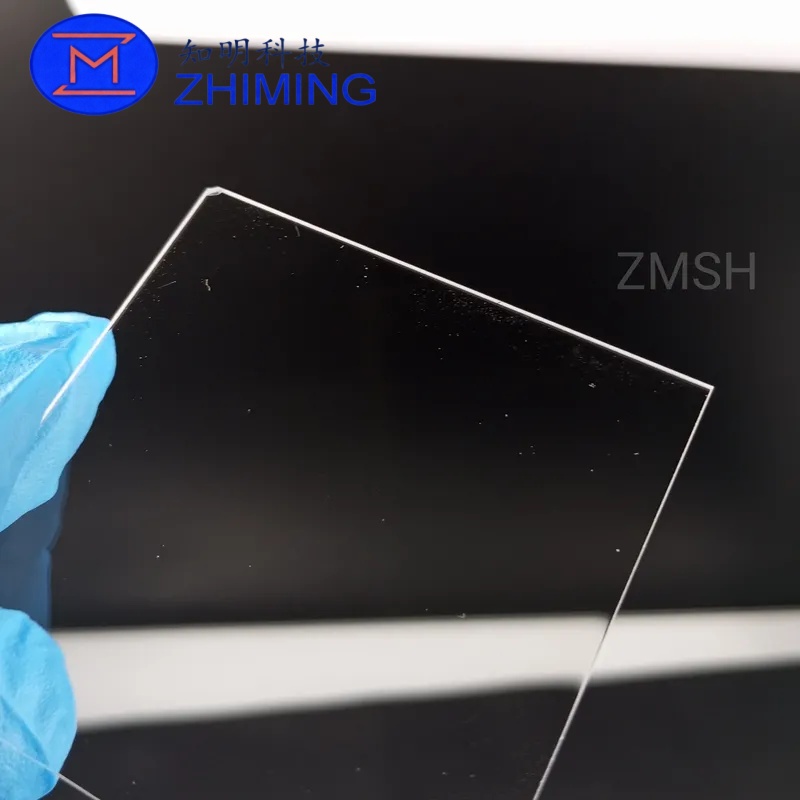
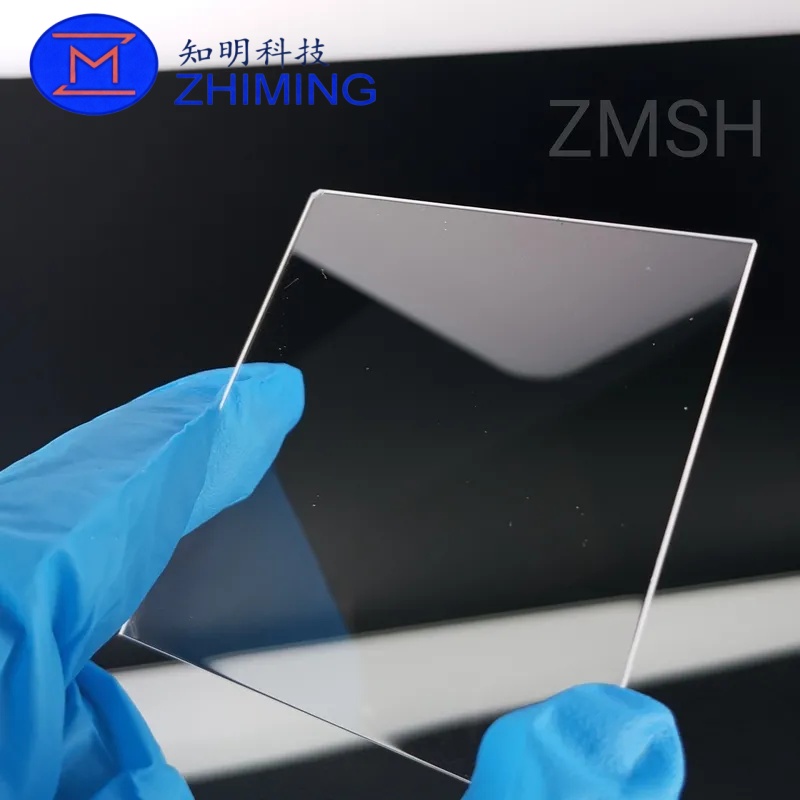
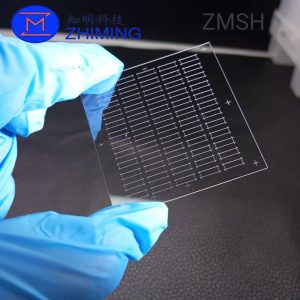
The Transparent Sapphire Optical Window Substrate is a high-performance optical component made from single crystal sapphire (α-Al₂O₃). With 99.999% purity, it offers exceptional transmittance in the ultraviolet (UV), visible (VIS), and infrared (IR) spectrum, making it ideal for a variety of high-end applications. Sapphire, with its extremely high hardness (Mohs 9), wear resistance, and chemical stability, is the material of choice for environments requiring precision optical systems that withstand harsh conditions.
Manufactured through advanced crystal growth techniques (Kyropoulos method or Czochralski method), these sapphire substrates are precisely cut and polished, ensuring high optical clarity and flatness for critical applications. The high thermal conductivity and radiation resistance make this substrate an indispensable component in industries such as semiconductors, aerospace, defense, and medical equipment.
 Wesentliche Merkmale
-
High Hardness and Wear Resistance
Sapphire boasts a Mohs hardness of 9, second only to diamond. This gives it exceptional resistance to scratches and wear, making it suitable for long-term use in demanding environments. -
Superior Optical Performance
The sapphire window offers high transmittance (85% in the UV-IR range) and excellent light clarity, ideal for optical instruments, laser systems, and sensor windows. -
Thermal Stability
With a melting point of 2050°C, sapphire windows can withstand extreme temperatures, providing reliable performance in high-temperature applications such as industrial monitoring and laser optics. -
Chemical and Environmental Resistance
Sapphire is highly resistant to acids, alkalis, and solvents, making it ideal for use in corrosive environments, such as chemical reactors and aerospace applications. -
High Mechanical Strength
The compressive strength of sapphire is up to 2 GPa, making it resilient to mechanical stress and impact, ensuring long-term durability. -
Customization Options
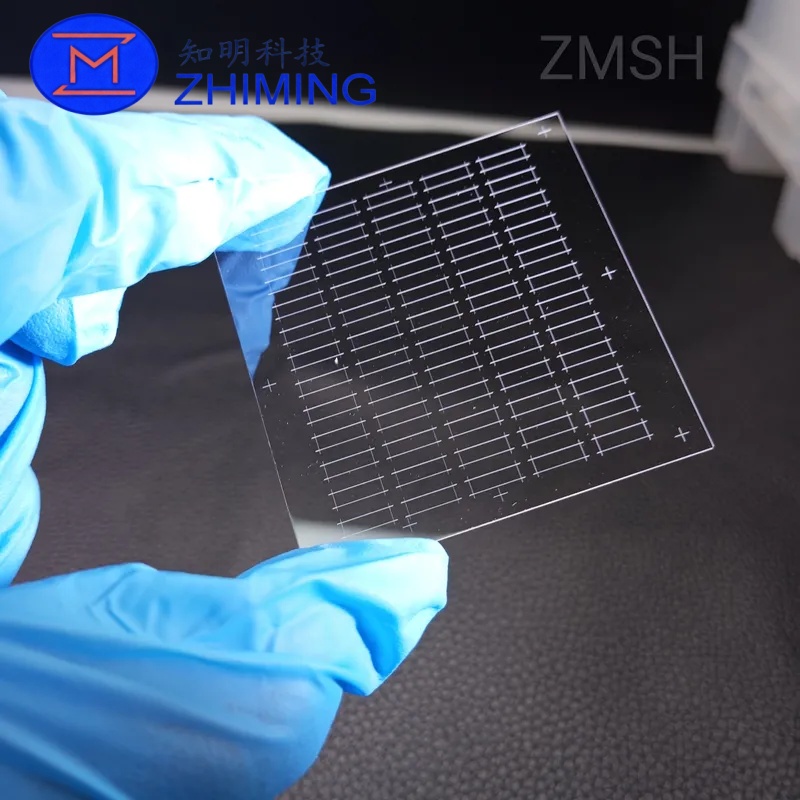
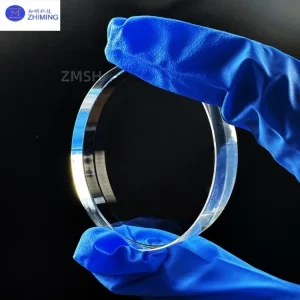
Available in a variety of shapes and sizes, this sapphire window can be tailored to fit specific applications, including custom IR windows, optical windows, and substrates for electronic ceramics.
Technische Daten
| Parameter | Spezifikation |
|---|---|
| Material | Single Crystal Al₂O₃ |
| Purity | 99.999% |
| Hardness (Mohs) | 9 |
| Optical Transmission | 85% (UV, Visible, IR) |
| Wavelength Range | 0.17 – 5.5 µm |
| Wärmeleitfähigkeit | 25.12 W/m·K |
| Dichte | 3,98 g/cm³ |
| Schmelzpunkt | 2050°C |
| Compressive Strength | 2 GPa |
| Coefficient of Thermal Expansion | α = 5.8 × 10⁻⁶ /K |
| Brechungsindex | n₀ = 1.768 |
| Oberfläche | Polished, Ra < 5 nm |
Anwendungen
-
Semiconductor Industry
Used in semiconductor wafers, LED chip manufacturing, and photolithography systems for high-precision optical components. -
Optical and Laser Systems
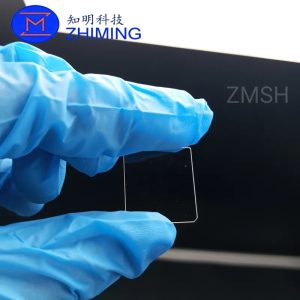
Sapphire windows are widely used as protective covers for optical instruments and laser systems, effectively protecting against dust, moisture, and mechanical damage while maintaining high optical transmittance. -
Aerospace and Defense
Sapphire windows are integral in aerospace equipment, including sensor windows for satellites, missile fairings, and airborne optical systems. Their resistance to extreme temperatures and radiation makes them ideal for high-performance aerospace applications. -
Medical and Biotech Equipment
Used in endoscopes, laser surgical instruments, and optical inspection systems for superior transmittance and biocompatibility. -
Industrial Applications
Used in high-temperature observation windows, laser cutting heads, and sensor protection for machinery exposed to harsh conditions. -
Consumer Electronics
Used in smartphones, watches, and camera lenses to provide scratch resistance and durability.
FAQ
Q1: Why is sapphire used for optical windows?
A1: Sapphire offers high hardness, excellent optical transmittance, and outstanding durability, making it ideal for protecting sensitive optical systems while maintaining clarity and performance over time.
Q2: What are the advantages of using sapphire windows over glass?
A2: Sapphire windows are 10× more scratch-resistant than glass, can withstand higher temperatures (up to 2050°C), and provide superior optical clarity across a broad spectrum (UV to IR).
Q3: Can sapphire windows be customized?
A3: Yes, sapphire optical windows are available in various sizes, shapes, and thicknesses to meet specific industry needs, including custom IR windows, substrates, and optical lenses.


Rezensionen
Es gibt noch keine Rezensionen.